





From Escape to Integration
For years, the promise of a wellness vacation was simple: leave your stressful life behind, check into a beautiful location, and let experts pamper you back to a state of temporary equilibrium. The problem? That equilibrium often evaporated the moment
you stepped back into your real life. The new wave of Ayurvedic travel aims to solve this by fundamentally reframing the purpose of the trip. It’s no longer an escape, but a catalyst. The goal isn’t just to feel good for seven days in a sun-drenched paradise, but to equip you with the tools and knowledge to feel better for the next 358 days back home. This shift transforms the vacation from a passive experience into an active learning process, where the journey begins long before you pack your bags and continues long after you've unpacked.
A Quick Primer on Ayurveda
So, what exactly is Ayurveda? Originating in India over 3,000 years ago, it’s one of the world’s oldest holistic healing systems. The name itself is Sanskrit for "the science of life." At its core, Ayurveda is based on the idea that wellness depends on a delicate balance between the mind, body, and spirit. It’s not a one-size-fits-all approach. Instead, it’s highly personalized, revolving around the concept of 'doshas'—three primary energy types (Vata, Pitta, and Kapha) that are believed to govern our physical and mental characteristics. The goal of Ayurvedic practice is to understand your unique constitution and identify any imbalances, then use diet, herbal treatments, meditation, and lifestyle adjustments to restore harmony.
The Homework Before You Go
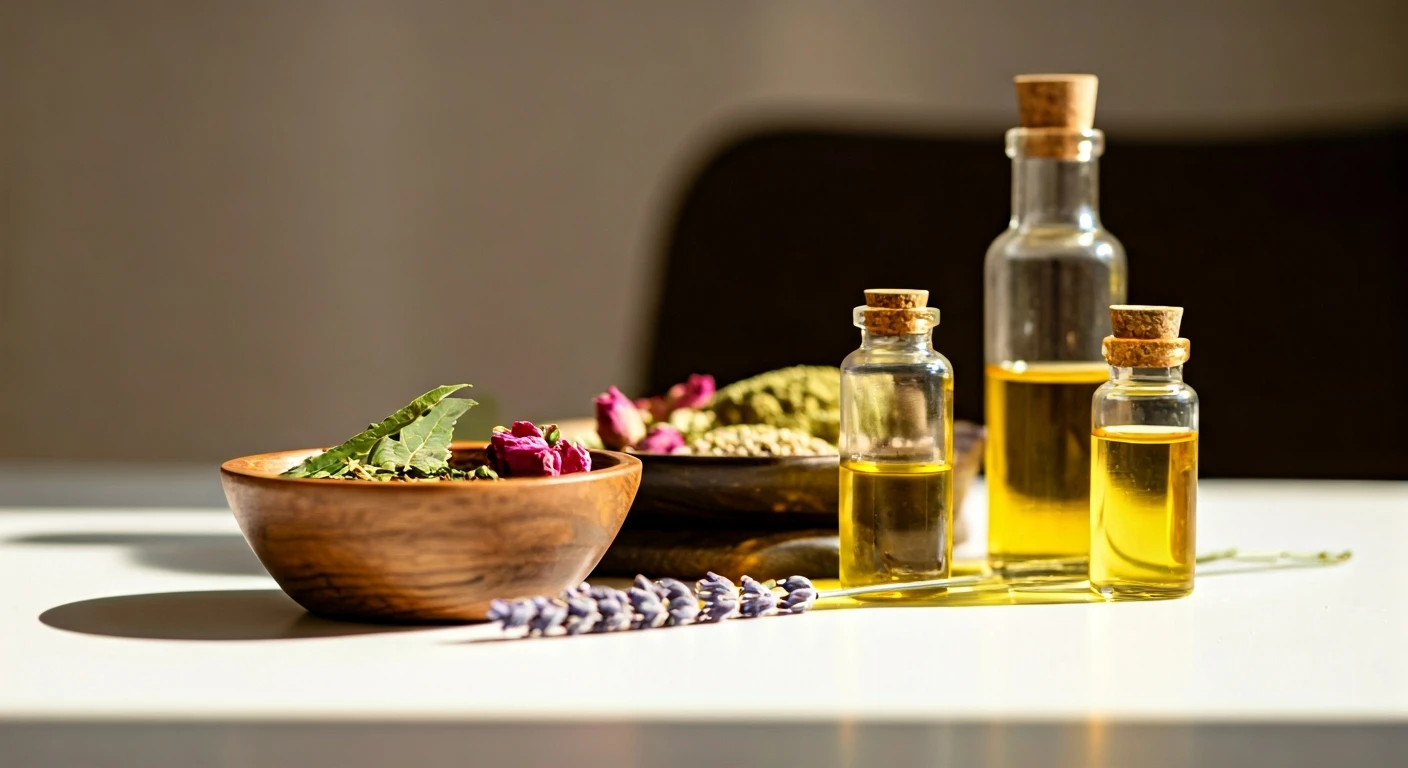
This new model of Ayurvedic travel often starts with pre-work. Before you even book your flight, many high-end retreats in places like Kerala, India, or even dedicated centers in the U.S., will send you a detailed questionnaire. This isn't your standard booking form. It dives deep into your health history, dietary habits, sleep patterns, stress levels, and emotional state. Some may even request a virtual consultation with an Ayurvedic doctor. This intake process allows the practitioners to get a head start on diagnosing your doshic imbalance and designing a completely customized treatment plan. By the time you arrive, your personalized oils are being blended, your specific dietary menu is planned, and your schedule of treatments—from 'abhyanga' (a synchronized oil massage) to 'shirodhara' (a continuous stream of warm oil on the forehead)—is already set. You’re not just a guest; you’re a case study in wellness.
Your Post-Trip Prescription
The most significant evolution, however, is the “homework” you’re sent home with. The retreat is treated as an intensive diagnostic and educational bootcamp. The real work begins when you leave. Upon departure, you’re not just handed a generic brochure. You’re given a comprehensive, personalized plan that may be dozens of pages long. This 'prescription for life' can include customized dietary guidelines (what to eat, what to avoid, and when to eat it), a list of specific herbs or supplements to continue taking, and a bespoke routine of yoga, breathing exercises (pranayama), and meditation practices. Some centers offer follow-up virtual consultations weeks or months later to check on your progress, answer questions, and tweak the plan as needed. The souvenir isn’t a trinket from the gift shop; it's a detailed, actionable roadmap for maintaining balance in the chaos of your everyday life.