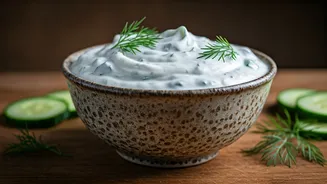









Tackle the Cucumber Conundrum
The main culprit behind watery raita isn't your yogurt—it's the cucumber. Cucumbers are over 95% water, and when you grate them and mix them with salt (which is often in the yogurt or added for seasoning), that water inevitably leeches out, turning your creamy
base into a soupy mess. The solution is to de-gorge the cucumber before it ever touches the yogurt. After grating your cucumber (using the large holes of a box grater), place the shreds in a fine-mesh sieve or a colander lined with cheesecloth. Sprinkle it with a generous pinch of salt—about a half teaspoon per cup of grated cucumber. Let it sit for 15-20 minutes. The salt will draw out a surprising amount of liquid through osmosis. Afterwards, press down firmly on the cucumber shreds or squeeze them tightly in the cheesecloth to expel every last drop of excess water. What you're left with is pure, concentrated cucumber flavor and texture, without the waterlog.
Choose Your Yogurt Wisely
The foundation of your dip is the yogurt, and not all yogurts are created equal. For the thickest, most decadent result, start with full-fat Greek yogurt. It has already been strained of most of its whey (the watery liquid), giving it a dense, rich consistency that's perfect for a dip. If you only have plain, unstrained yogurt on hand, you can easily make your own Greek-style yogurt. Simply line a sieve with a coffee filter or a few layers of cheesecloth, set it over a bowl, and pour in your plain yogurt. Let it drain in the refrigerator for a few hours, or even overnight for an ultra-thick, labneh-like consistency. The longer it drains, the more whey will separate and the thicker your yogurt will become. Avoid non-fat or low-fat yogurts if possible; their lack of fat content makes them inherently less stable and more prone to becoming watery, and they lack the creamy mouthfeel you’re aiming for.
Master the Art of Assembly
Once you have your prepped cucumber and your thick yogurt, the final assembly is key to maintaining that luscious texture. First, mix your spices and aromatics—like toasted cumin seeds, finely chopped mint, a touch of garlic, or a pinch of cayenne—directly into the thick yogurt. This ensures they are evenly distributed without requiring excessive stirring later on. Once your yogurt base is perfectly seasoned, gently fold in the drained cucumber shreds. Use a spatula and a light hand; over-mixing can break down the yogurt's structure and encourage it to loosen. The goal is to incorporate, not to beat. After everything is combined, taste and adjust seasoning if necessary. Then, and this is crucial, let it chill. A minimum of 30 minutes in the refrigerator allows the flavors to meld and the dip to firm up even further, reaching its peak creamy potential.
Beyond the Basics: Thickening Boosters
If you want to guarantee an extra-sturdy dip, you can employ a few traditional thickeners. A very common trick in parts of India is to add a teaspoon or two of roasted gram flour (besan). To do this, toast the besan in a dry skillet over low heat for a few minutes until it becomes fragrant and nutty. Let it cool completely before whisking it into your yogurt. This not only adds thickness but also a subtle, savory depth. Another option is using a small amount of a starchy binder. A tablespoon of soaked and mashed bread (with crusts removed) or even a teaspoon of powdered gelatin bloomed in a little water can work wonders, though these will slightly alter the classic taste and texture. For most purposes, however, managing your cucumber and choosing the right yogurt are all you truly need to achieve dip perfection.