



The Newest Status Symbol
Forget the designer handbag; the most coveted accessory of the moment might just be the Stanley Quencher. These 40-ounce, pastel-hued thermal mugs sparked online frenzies, with limited-edition drops selling out in minutes and inspiring Target stampedes.
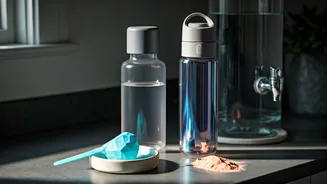
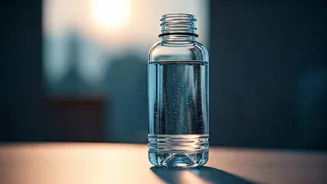
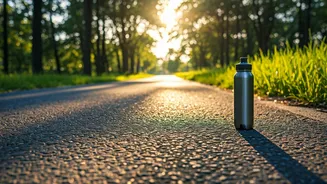
But Stanley is just the tip of the iceberg in a sea of high-end hydration vessels from brands like Hydro Flask, Owala, and Yeti. Carrying a specific water bottle has become a form of identity signaling. It says you’re health-conscious, on-trend, and invested in your wellness. It’s a public declaration that you are, quite literally, taking care of yourself. This shift transforms a mundane object into a piece of personal branding, a quiet badge of honor in the ever-present quest for self-improvement.
The Science vs. The Hype
The foundation of this trend rests on a simple truth: water is essential for life. But the idea that you must constantly sip to achieve peak health is more complicated. For decades, we’ve been told to drink eight 8-ounce glasses of water a day, a recommendation that has become ingrained in our collective consciousness. However, this “8x8 rule” is not a one-size-fits-all medical decree and its origins are surprisingly murky. The National Academies of Sciences, Engineering, and Medicine suggest that an adequate daily fluid intake is about 15.5 cups for men and 11.5 cups for women. Crucially, this includes fluids from all beverages and foods. Fruits, vegetables, soups, and even coffee and tea contribute to your total. The best advice from most experts remains timelessly simple: drink when you’re thirsty. Your body has a finely tuned system for regulating its water balance, and for most healthy adults, thirst is a reliable guide. Pushing for a gallon a day might just lead to more bathroom trips, not better health.
The Billion-Dollar Thirst Trap
Where there's a trend, there’s a market. The global hydration industry is booming, extending far beyond reusable bottles. Walk down any pharmacy aisle and you'll find a dizzying array of electrolyte powders, hydration multipliers, and flavored water enhancers. Brands like Liquid I.V., Nuun, and Hydrant promise to hydrate you faster and more effectively than plain water, often with a cocktail of sodium, potassium, and vitamins. While these can be beneficial for athletes or during intense sweating, they’ve been successfully marketed to the masses as an everyday wellness boost. It's the “biohacking” of thirst. This commercialization has turned hydration into an activity that can be optimized and upgraded, convincing consumers that water, in its natural state, is somehow not enough. You’re not just drinking water; you’re curating a hydration “stack.”
Influenced to Imbibe
Social media is the engine driving this obsession. On TikTok, the #WaterTok hashtag has billions of views, featuring creators mixing elaborate, candy-flavored “water recipes” with syrups and powders in their giant tumblers. Influencers perform “gallon-a-day” challenges, documenting their journey to clearer skin, more energy, and a flatter stomach—benefits often anecdotally attributed to their increased intake. This gamifies hydration, turning it into a shareable, visually appealing challenge. It creates a sense of community and friendly competition, encouraging followers to join in. While the intent may be positive, it also reinforces the pressure to perform wellness publicly and can fuel anxieties about whether you’re “hydrating correctly.”