

First, What Is This Festival?
The event flooding your screen is the Aam Mahotsav, or the Delhi International Mango Festival. Held annually in the scorching heat of the Indian summer, this isn't just a farmer's market—it's a full-blown celebration of the mango in all its glory. For
a few days, a venue in Delhi transforms into a paradise for mango lovers, organized by Delhi Tourism to promote the fruit and its rich connection to Indian culture. Think of it as the Super Bowl for mangoes. Farmers and growers from across the country gather to display their prized produce, compete for awards like 'Mango of the Year,' and introduce the public to varieties they’d never find in a typical grocery store. It’s a tradition that’s been running for decades, but social media has given it a new global stage.
It’s an Unbelievable Visual Feast
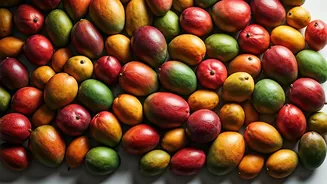
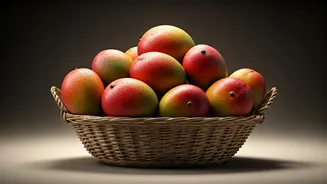
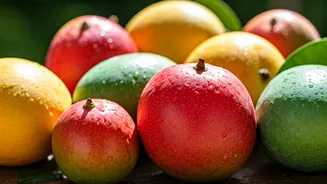
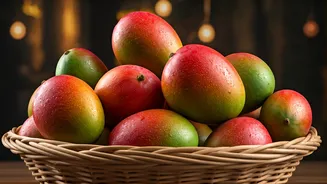
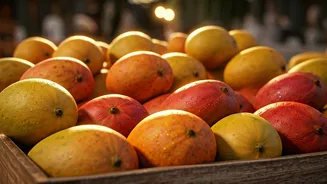
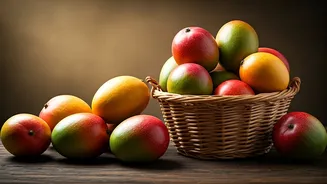
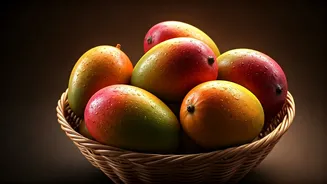
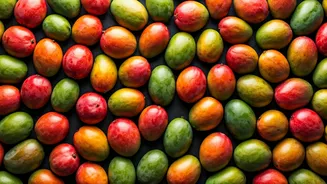
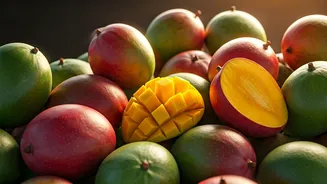
The most straightforward reason for its Instagram fame is the sheer visual spectacle. Forget the one or two types of mangoes you see at Whole Foods. We’re talking about pyramids of fruit in every conceivable shape, size, and shade of yellow, green, orange, and blush red. The displays are a work of art. Mangoes are carved into intricate flowers, stacked into towering structures, and laid out in dizzying arrays of color. In a digital world driven by aesthetics, the Aam Mahotsav is a goldmine of content. Every corner offers a photo op that’s bursting with natural, vibrant color, requiring #nofilter. It’s the kind of authentic, eye-popping beauty that algorithms and audiences adore—a welcome splash of sunshine in a feed often filled with muted, minimalist tones.
The Allure of Mango Scarcity
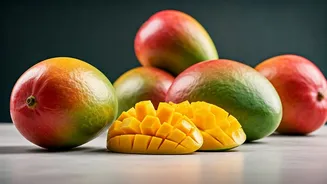
For American and European audiences, the festival offers a glimpse into a world of unbelievable variety. While most of us are familiar with the Tommy Atkins or Kent mangoes, Delhi’s festival showcases over 500 types. You see names that sound like poetry: the sweet Dasheri, the fragrant Langra, the syrupy Chausa, and the royal Alphonso. There are tiny, bite-sized mangoes and others the size of a football. This diversity is fascinating. It taps into the foodie desire for the rare and the exotic. Seeing a table laden with 50 different kinds of mangoes sparks a sense of wonder and, let’s be honest, a little bit of envy. It’s a reminder that the world of food is infinitely more diverse than our supermarket aisles suggest, and Instagram is the perfect window into that world.
More Than Just a Fruit Stand
The festival’s virality isn't just about static pictures of fruit. It’s an interactive, dynamic event. Social media loves action, and the Aam Mahotsav delivers. There are videos of fiercely competitive mango-eating contests, where participants devour fruit as fast as they can, juice dripping down their chins. There are cooking demonstrations showing how to make everything from mango salsa to complex mango curries. Add in cultural performances like traditional music and dance, and you have an event that’s alive with energy. This mix of activities provides a narrative. It’s not just 'here are some mangoes'; it’s 'here is a community joyfully celebrating its most beloved fruit.' That story is far more compelling and shareable than a simple photo.
An Antidote to Curated Experiences
Finally, in an age of pop-up 'experiences' designed explicitly for Instagram, the Delhi Mango Festival feels refreshingly real. It’s not a cynical photo trap; it's a genuine cultural institution that happens to be incredibly photogenic. Its primary purpose is to celebrate agriculture, community, and a beloved food, not to sell tickets to a selfie factory. This authenticity is magnetic. Viewers can sense that they’re looking at something with history and heart. The joy on people’s faces is real, the chaos is organic, and the passion for mangoes is palpable. In a highly curated digital landscape, this dose of unfiltered, vibrant reality stands out, making people stop scrolling and take a closer look.