





What Exactly Is 'Functional Food'?
At its core, a “functional food” is one that provides health benefits beyond basic nutrition. Think of it as food with a job to do. This isn't an entirely new concept. For decades, we’ve had salt fortified with iodine to prevent goiter and milk with added
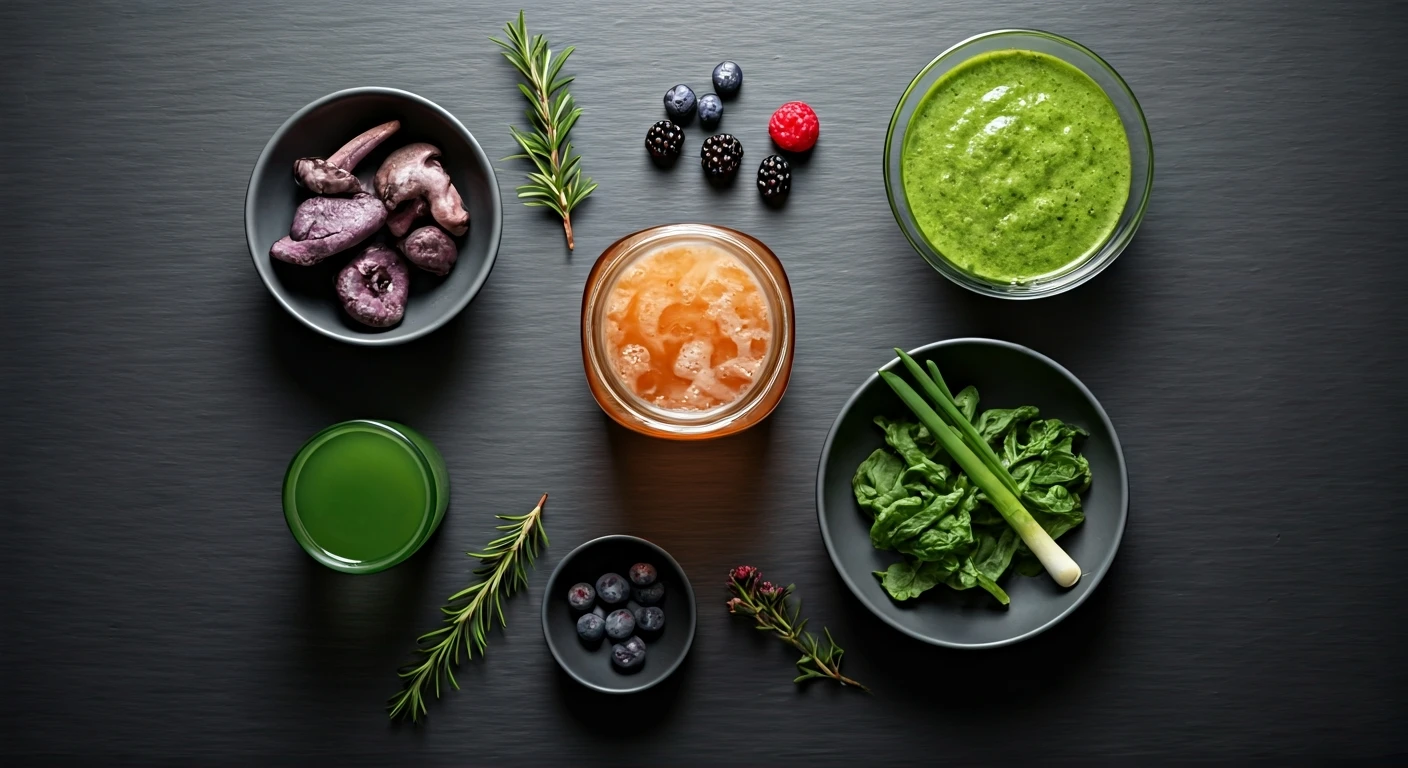
vitamin D for bone health. But today’s trend is different. It’s less about preventing disease on a public health level and more about personal optimization. The new wave of functional foods is infused with ingredients that promise to boost your mood, sharpen your mind, calm your nerves, or improve your digestion. We're talking about probiotics for gut health, adaptogenic mushrooms for stress relief, nootropics for cognitive enhancement, and extra collagen for skin and joint support. Instead of a doctor’s prescription, the 'prescription' is now found on the label of your favorite seltzer or granola bar.
Why Is This Happening Now?
This shift isn't happening in a vacuum. It’s the direct result of a perfect storm of cultural trends. First, there's the broader wellness movement, where consumers are increasingly proactive about managing their health. People want to feel in control, and food is one of the most accessible levers to pull. Second, there's a growing interest in a 'food as medicine' philosophy. Fueled by social media influencers and a general skepticism toward traditional pharmaceuticals for everyday complaints, many Americans are looking for natural solutions to issues like stress, fatigue, and poor sleep. Food and beverage companies have taken notice. They see a massive market of consumers willing to pay a premium for products that align with their health goals. It’s a strategic pivot from simply selling taste and convenience to selling a tangible, or at least a perceived, physical or mental benefit.
Your Grocery Cart, Upgraded
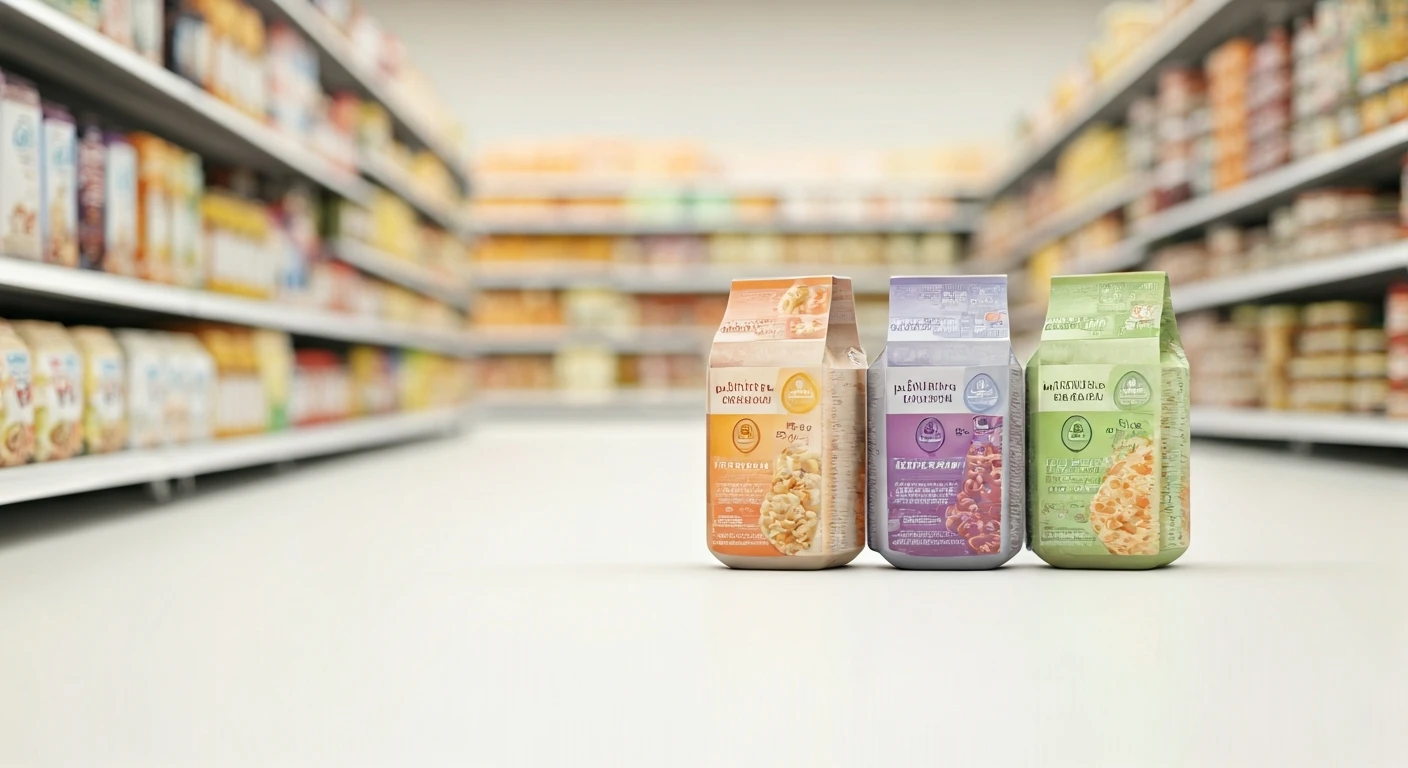
The functional food aisle is no longer a niche section in a specialty health store; it’s the entire supermarket. The evidence is everywhere. You can start your day with a coffee infused with Lion’s Mane mushrooms, which are claimed to support focus. For a mid-day snack, you might grab a protein bar that also contains ashwagandha, an adaptogen used to manage stress. Instead of a traditional sugary soda, you can now reach for a can of Olipop or Poppi, which are packed with prebiotics and fiber for a healthier gut microbiome. Even pantry staples are getting a makeover. Brands like Banza are selling pasta made from chickpeas, dramatically increasing the protein and fiber content compared to traditional wheat pasta. Cereals are boasting added protein, yogurts are swimming with probiotics, and bottled waters are being enhanced with everything from electrolytes and magnesium to CBD.
A Dose of Healthy Skepticism
While the promises are alluring, it’s wise to approach the functional food aisle with a critical eye. The first question to ask is about dosage. A product might boast about containing a trendy ingredient, but is there enough of it to have a real physiological effect? Often, the amount is negligible—more for marketing buzz than biological impact. Nutrition experts also caution against the 'health halo' effect, where consumers assume a product is entirely healthy just because it has one beneficial ingredient, ignoring potential downsides like high sugar content or processed additives. Furthermore, these products almost always come with a premium price tag. While a probiotic soda might be a step up from its corn-syrup-laden counterpart, many dietitians would argue that you’re often better off focusing on a diet rich in whole foods—fruits, vegetables, and lean proteins—which naturally provide the fiber, vitamins, and minerals your body needs, without the fancy branding and inflated cost.