
Upgrade 1: The Preemptive Paw Strategy
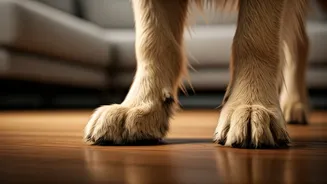
The best way to manage monsoon mess is to stop it before it starts. While you can't prevent your dog from getting wet, you can protect their paws, which act like tiny mud-sponges. Before heading out, apply a thin layer of paw balm or wax. This creates
an invisible barrier on their paw pads and between their toes. The wax helps repel water and prevents mud from caking deep into their fur and skin. When you get home, a quick wipe with a damp cloth is often all you need to get their paws clean, rather than a full-on scrubbing session. Think of it as rain-proofing your dog’s personal tires. This simple step not only saves your floors but also protects their sensitive paw pads from irritants they might encounter in puddles.
Upgrade 2: Ditch Cotton for Hyper-Absorbent Towels
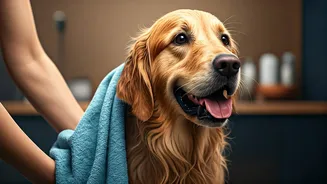
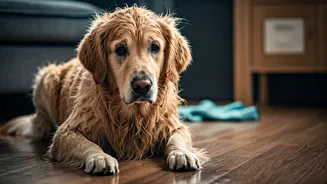
That old bath towel you’ve designated for the dog just isn’t cutting it. Cotton towels become saturated quickly and mostly just smear water around a dog's coat. The upgrade is a switch to materials designed for maximum water absorption. High-quality microfiber towels are a game-changer; their fine fibers have a larger surface area, allowing them to soak up significantly more water and trap it. Even better are PVA (polyvinyl alcohol) towels, often sold as “shammies” for cars or swimmers. These feel strange when dry (they're often stored damp) but can hold a stunning amount of water and can be wrung out to be almost completely dry, ready for another pass. A thorough towel-dry is your first and best defense against that infamous “wet dog smell.”
Upgrade 3: Master the Waterless Shampoo
Bathing your dog after every rainy walk is impractical and can strip their skin of essential oils, leading to dryness and irritation. This is where waterless shampoos and cleansing foams shine. These are not just glorified perfumes; modern formulas contain gentle, effective cleansing agents that lift dirt and oil from the coat without requiring a rinse. To use, simply spray or foam onto the affected area (like muddy legs or a damp underbelly), massage it into the fur, and then thoroughly towel it off. The product evaporates, taking the dirt and odor with it. It’s the perfect solution for a quick clean that leaves your pet smelling fresh without the hassle and stress of a full bath.
Upgrade 4: Neutralize Odor, Don't Just Mask It
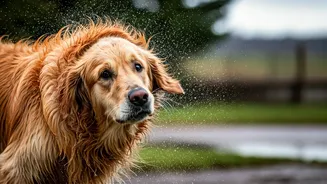
The classic “wet dog smell” is caused by the metabolic byproducts of yeast and bacteria that live naturally on your pet’s skin. When water evaporates from their fur, it carries these smelly microscopic particles into the air. Scented sprays often just add a layer of fragrance on top, creating a cloying, still-unpleasant aroma. The upgrade is to use an enzymatic or odor-neutralizing spray. These products contain compounds that break down the organic molecules causing the smell, eliminating it at the source. Look for sprays designed specifically for pet odors. A light misting after a towel-dry can make a huge difference in keeping your home smelling clean, even when your dog is still a bit damp.
Upgrade 5: Invest in a Home Drying Solution
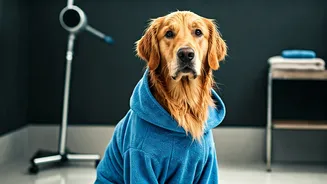
For pet parents with long-haired breeds or dogs who simply hate being wet, a standard towel-dry may never be enough. Lingering dampness, especially in thick undercoats, can be a breeding ground for mildew and skin issues like hot spots. A serious upgrade is a high-velocity pet dryer. These are not the same as human hair dryers, which use high heat that can burn a dog’s skin. Instead, pet dryers use a powerful, concentrated stream of room-temperature air to literally blow the water off the coat. While it’s an investment, it can dry a dog in a fraction of the time and is the single most effective way to prevent moisture-related skin problems and that persistent damp smell.
Upgrade 6: Establish a Dedicated Entry Zone
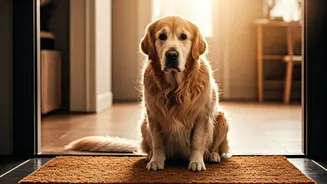
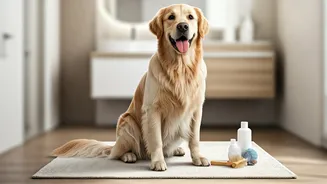
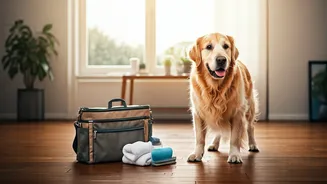
The final upgrade isn't a product, but a system. Designate a single point of entry as your “monsoon decontamination zone.” This could be a mudroom, a garage, or just a small area by the back door. Equip it with everything you need: a highly absorbent doormat, your super-towel hanging on a hook, paw wipes, and your waterless shampoo. Training your dog to wait patiently in this spot upon returning home is key. This simple habit contains the mess to one easy-to-clean area, preventing muddy paw prints from trailing across your entire home and turning a chaotic cleanup into an orderly, predictable routine.