



More Than Just Houseplants
First, let’s talk about “biophilia.” It sounds complex, but the idea is simple: it’s the theory that humans have an innate, biological need to connect with nature. Biophilic design is just the practice of bringing that connection indoors. It goes beyond
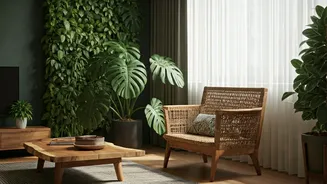
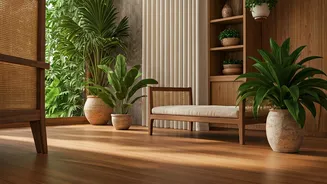
scattering a few succulents on a windowsill. We’re talking about a holistic approach that prioritizes natural light, organic materials, plant life, and even views of the outdoors to create a space that genuinely reduces stress and improves well-being. Think large windows that flood a room with sunlight, the use of natural textures like wood, stone, and jute, and color palettes that mimic the earth, sea, and sky. The goal is to blur the line between inside and out, creating a seamless flow that helps you feel grounded and refreshed. It’s a design philosophy built on the idea that our environment has a profound impact on our mental and physical health. Rather than just decorating a space, you’re curating an ecosystem for living.
Designing for Paws and People
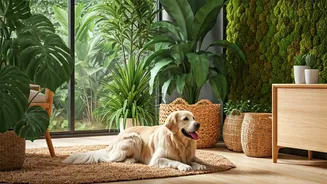
Now, add a dog or cat (or three) to that natural oasis. That’s where the “pet-safe” part of this trend becomes revolutionary. For years, having a beautiful, plant-filled home often felt at odds with pet ownership. Many popular houseplants—like elegant lilies, trendy fiddle-leaf figs, and dramatic sago palms—are highly toxic to cats and dogs. The fear of an emergency vet visit meant many pet parents opted for faux greenery or no greenery at all. This new approach tackles that problem head-on. It’s about conscious curation. Designers and homeowners are selecting plants specifically for their non-toxic properties. Lush Boston ferns, vibrant prayer plants, and classic spider plants provide all the green, air-purifying benefits without the risk. The principle extends to materials, too. This means choosing durable, scratch-resistant, and easy-to-clean fabrics for sofas and rugs. It involves creating layouts with designated cozy corners for pets and ensuring that any beautiful, fragile decor is placed well out of reach of a curious tail or paw. It’s not about compromising on style; it’s about making style work for every member of the household.
A Post-Pandemic Sanctuary
So, why is this trend taking off in India right now? The reasons are remarkably similar to what we’ve experienced in the U.S. The global pandemic forced everyone indoors, transforming our homes from mere living quarters into our offices, gyms, and entire worlds. This prolonged confinement sparked two major booms: a surge in houseplant sales and a massive increase in pet adoptions. In India’s bustling, dense cities, the craving for a slice of nature and the comfort of a non-human companion became especially acute. As life returned to a new normal, people didn’t want to give up their newfound green thumbs or their pandemic puppies. Instead, they sought ways to integrate them more harmoniously into their lives and homes. Architects and interior designers in cities like Mumbai and Bangalore report a significant rise in client requests for spaces that accommodate both plants and pets without sacrificing sophistication. This isn’t just a fleeting fad; it’s a direct response to a collective shift in lifestyle priorities, emphasizing mental wellness, connection, and the creation of a true personal sanctuary.
Bring the Vibe Home
The beauty of this trend is that you don’t need a complete renovation to adopt its principles. You can start small to cultivate your own pet-safe biophilic haven. Begin with plants. A quick search on the ASPCA’s website provides a comprehensive list of toxic and non-toxic plants to guide your nursery visit. A hanging spider plant or a pot of cat grass can instantly liven up a room safely. Next, consider textures. Swap out a synthetic throw blanket for one made of cotton or wool. A jute rug can add an earthy, durable element that also happens to be great for hiding pet hair. Think about your pet’s experience. Does your dog have a comfortable bed near a sunny window? Can your cat safely survey their kingdom from a high perch on a sturdy cat tree? Creating vertical space is a classic biophilic trick that works wonders for feline friends. By making a few intentional choices, you can begin crafting a space that nurtures your connection to nature while celebrating the four-legged members of your family.