


First, What Is Nirjala Ekadashi?
Before diving into the biology, it's important to understand the context. Nirjala Ekadashi is considered the most sacred and challenging of the 24 Ekadashi fasts observed in Hinduism. Occurring twice in every lunar month, Ekadashi is the eleventh lunar day,
dedicated to the deity Vishnu. The 'Nirjala' part means 'without water.' Devotees abstain from all food and liquid from sunrise to the next sunrise, a period of roughly 24 hours, to cleanse the body, mind, and spirit. It's a profound act of faith and discipline, believed to bestow significant spiritual merit. Unlike trendy wellness fasts, its primary goal is not weight loss or physical health but spiritual purification.
The Body's Immediate Response to No Water
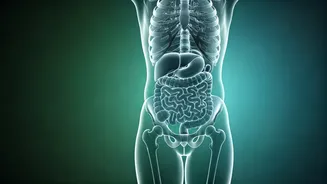
The human body is about 60% water and is relentlessly focused on maintaining that balance. When you stop drinking, it triggers a cascade of survival mechanisms. Within a few hours, the brain's hypothalamus detects rising salt concentration in the blood and releases Antidiuretic Hormone (ADH), also known as vasopressin. This hormone signals the kidneys to conserve water by producing less, more concentrated urine. You'll feel thirsty—that’s your brain screaming for rehydration. As the body works to pull water from every available source, it starts to draw fluid from cells and tissues into the bloodstream to maintain blood pressure, leading to the initial effects of dehydration.
Entering Survival Mode: Ketosis and Autophagy
As the fast progresses past the 12-hour mark, something fascinating happens. With no incoming glucose from food, the body depletes its stored glycogen. To find a new energy source, it begins breaking down fat into ketone bodies. This metabolic switch is called ketosis—the same state people on the 'keto' diet aim for. Ketones become the primary fuel for the brain and body. Simultaneously, the stress of fasting is believed to ramp up a process called autophagy, which translates to 'self-eating.' During autophagy, your cells identify and clear out damaged components, old proteins, and cellular debris. It’s essentially a deep-cleaning mechanism. Many of the touted benefits of intermittent fasting are linked to these two processes, which are activated during a prolonged fast like Nirjala Ekadashi.
Potential Benefits vs. Scientific Reality
Proponents of dry fasting, both ancient and modern, often point to benefits like enhanced mental clarity, reduced inflammation, and cellular regeneration. The science is intriguing but very limited, especially for waterless fasting. While studies on intermittent and water-only fasting support benefits like improved insulin sensitivity and cellular repair via autophagy, research on dry fasting is sparse and often conducted on animals or during the less-extreme Ramadan fast (where hydration occurs at night). Some small studies suggest short-term dry fasting might positively affect cholesterol levels and markers of inflammation. However, these potential upsides are difficult to separate from the significant risks involved, and most of the dramatic claims you see online lack robust scientific backing.
The Serious and Unavoidable Risks
Let’s be perfectly clear: going without water is dangerous. While a healthy person can typically tolerate a 24-hour dry fast in a controlled, cool environment, the risks are substantial. Severe dehydration can lead to headaches, dizziness, fatigue, and muscle cramps. More seriously, it can cause a dangerous imbalance in electrolytes like sodium and potassium, which are critical for nerve and muscle function, including the heart. It puts immense strain on the kidneys, which need water to filter waste from the blood. For individuals with pre-existing conditions—especially kidney problems, diabetes, or heart issues—or for those who are pregnant, elderly, or in a hot climate, attempting a waterless fast can be life-threatening.