


The Hydration Heroes
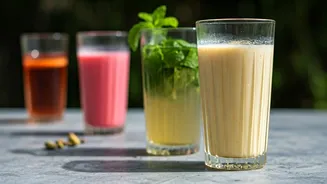
Forget plain water. Indian summers are powered by sophisticated, delicious drinks designed for deep hydration. The star of this show is often *aam panna*, a tangy, sweet-and-sour beverage made from boiled and pulped raw green mangoes. While it tastes
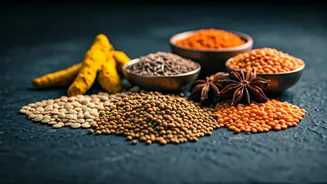
like a treat, it's a strategic weapon against heatstroke. Raw mangoes are packed with electrolytes, and when combined with salts (like black salt, or *kala namak*) and cooling spices like cumin and mint, *aam panna* replenishes essential minerals lost through sweating. It’s a prime example of culinary wisdom: a drink that not only quenches thirst but actively works to rebalance your system. Another staple is *jaljeera*, a zesty drink whose name literally translates to “cumin water.” A mix of cumin, ginger, black pepper, mint, and salt, it’s a tangy powerhouse that stimulates the appetite, which can often flag in extreme heat, and aids digestion. These aren't just beverages; they are functional, flavorful systems for managing the body’s response to high temperatures.
The Probiotic Powerhouses
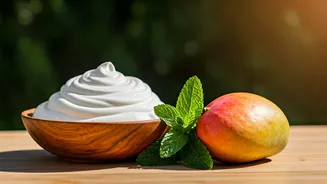
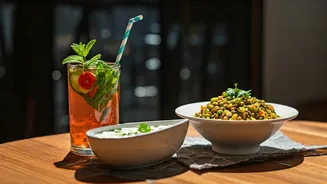
In the West, we talk about probiotics and gut health as a modern wellness discovery. In India, it's just called lunch. Yogurt, or *dahi*, is a cornerstone of summer eating, and for good reason. It’s a natural coolant and packed with beneficial bacteria that keep the digestive system running smoothly when it's under stress from the heat. The most popular applications are *chaas* (or spiced buttermilk) and *raita*. *Chaas* is a thin, savory drink made by blending yogurt with water, salt, and spices like roasted cumin powder and fresh cilantro or mint. It’s light, incredibly refreshing, and often consumed with meals to aid digestion. *Raita*, a thicker yogurt dip mixed with raw vegetables like cucumber, onion, and tomato, or with tiny fried chickpea flour balls (*boondi*), serves a similar purpose. It’s served alongside spicy main courses to cool the palate and balance the heat of the food with its creamy, soothing properties.
The Cooling Crusaders
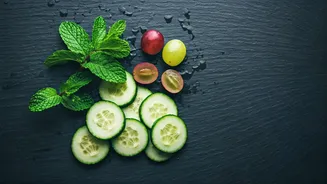
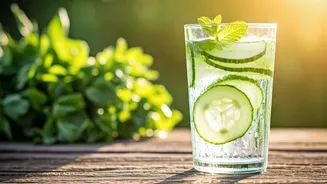
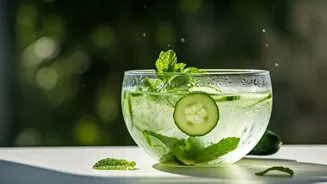
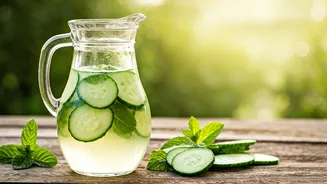
Beyond liquids, the Indian summer kitchen deploys a range of ingredients prized for their cooling effects. Cucumber, with its high water content, is a ubiquitous hero, appearing in salads, *raitas*, and even as a simple, salted snack. Mint is another key player, used generously in chutneys, drinks, and garnishes not just for its bright flavor but for the cooling sensation it imparts. Even the structure of a meal changes. Heavy, fried foods and rich gravies are replaced by lighter fare. You’ll find more steamed items, simple lentil preparations (*dals*) that are thinner in consistency, and an abundance of seasonal gourds and vegetables like bottle gourd (*lauki*) and ridge gourd (*torai*), all chosen for their high water content and ease of digestion. The logic is simple: a body working hard to stay cool shouldn't be burdened with heavy food that generates more internal heat.
The Art of the After-Meal
The superpower doesn’t stop when the meal ends. Traditional Indian meals often conclude with a digestive aid that also serves as a mouth refresher. A common offering is a mix of fennel seeds (*saunf*), which are known to have a cooling effect on the body and help prevent indigestion and bloating. Sometimes they are served plain, and other times as *mukhwas*, a colorful mix of candied fennel seeds, coriander seeds, and other tidbits. This small, final gesture encapsulates the entire philosophy: every element, from the first sip of *jaljeera* to the last spoonful of fennel seeds, is part of a holistic system. It’s not about a single magic ingredient, but a collection of practices and recipes working in harmony to make the formidable Indian summer not just survivable, but enjoyable.