



Debunking the 'Non-Stop Rain' Myth
Let’s get the biggest misconception out of the way first. For most people, the word “monsoon” conjures images of a relentless, vacation-ruining deluge that lasts for weeks. The reality is usually far more manageable and, honestly, more interesting. In
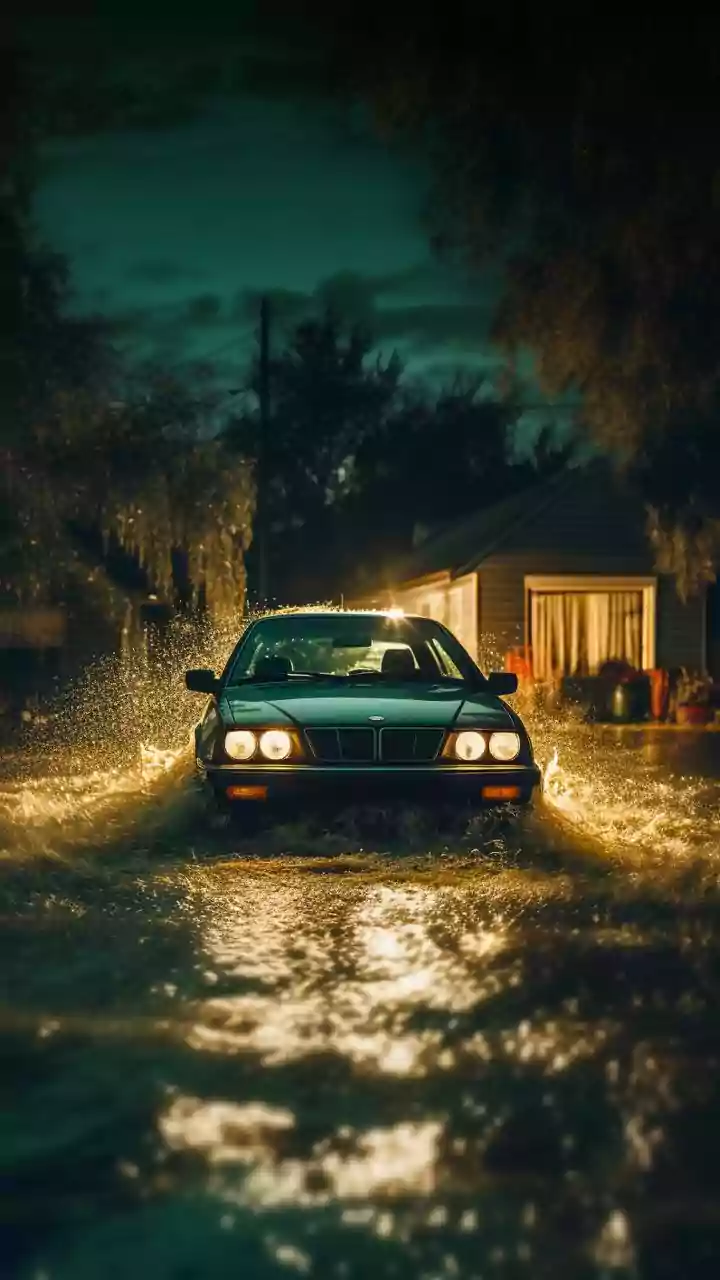
popular monsoon destinations like Thailand, Vietnam, or India’s Kerala region, the rainy season doesn’t mean it rains 24/7. More often, it means a predictable, intense, and relatively short downpour in the afternoon. Mornings are often bright and sunny, and the storm, when it arrives, is a dramatic spectacle that cools the air before passing. This rhythm allows for plenty of time for exploration. You can plan your museum visit or cooking class for the afternoon, leaving your mornings free for beaches and sightseeing. Instead of a washout, the rain becomes a predictable part of the day’s rhythm—a built-in break for a nap, a good book, or a coffee while you watch the storm roll through.
Fewer Crowds, More Authenticity
This is the heart of the cheat code. The peak-season experience at world-famous sites can often feel like a line at an amusement park. You’re jostling for a photo, waiting for a table, and sharing a supposedly serene view with hundreds of other people. Traveling during the monsoon season changes that equation entirely. With tourist numbers dramatically lower, you get to experience places as they are, not as they’re presented to the masses. Imagine having a quiet moment at Angkor Wat without a sea of selfie sticks, or finding a spot on a Thai beach that feels like your own private discovery. Restaurants aren't overbooked, locals have more time for a genuine conversation, and the entire pace of life feels more relaxed and authentic. You’re not just a tourist in a crowd; you’re a guest experiencing a place during its time of renewal.
Your Wallet Will Thank You
Off-season travel is famously cheaper, and monsoon season is the ultimate off-season. Airlines and hotels slash their prices to attract travelers, meaning your budget can stretch significantly further. That five-star resort that felt unattainable during the high season might suddenly be within reach. You can afford to stay longer, upgrade your room, or splurge on experiences you might otherwise skip. This financial advantage applies to more than just flights and lodging. Tour operators, restaurants, and local vendors are often more willing to offer deals. The money you save can transform your trip, allowing for a level of comfort and access that would be impossible during the peak-season scramble. It’s simple math: when demand drops, prices follow, and you reap the benefits.
A World Washed Clean and Green
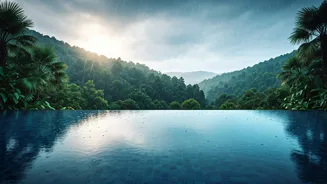
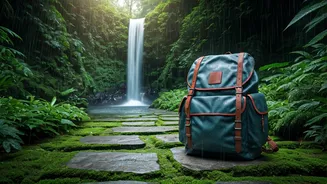
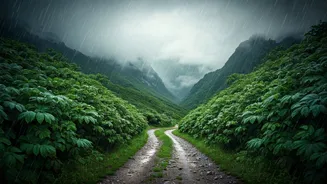
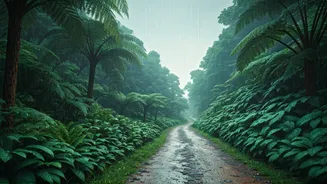
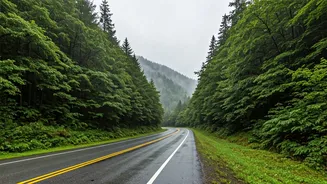
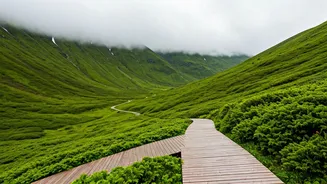
From a purely visual standpoint, the monsoon season is spectacular. The dust of the dry season is washed away, leaving behind a world that is intensely, almost unbelievably green. Rice paddies become shimmering mirrors, waterfalls that were mere trickles in the dry season roar back to life, and the jungle foliage becomes dense and vibrant. The sky itself puts on a show, with dramatic, brooding clouds creating painterly sunsets and incredible backdrops for photography. For anyone with a camera, this is a dream come true. The light is softer, the colors are more saturated, and the landscapes feel more alive. While others are taking the same sunny, blue-sky photo as everyone else, you’ll be capturing something far more moody, dynamic, and unique.
The Monsoon Traveler’s Playbook
Embracing a monsoon break requires a slight shift in mindset and packing. First, pack smart: lightweight, quick-drying clothes are your best friend. Forget heavy denim and opt for synthetic blends. A reliable waterproof jacket and waterproof bag for your electronics are non-negotiable. Second, stay flexible. A downpour might delay your ferry or make a rural road impassable for a few hours. Don’t overschedule your days. Build in buffer time and have a backup plan, like a list of indoor cafes or museums you want to visit. Finally, embrace the experience. The rain is part of the adventure. It forces a slower pace, encouraging you to linger over a meal, chat with a local shopkeeper, or simply watch the world go by from a covered veranda. It’s a feature, not a bug.