
Moving Beyond the Buffet
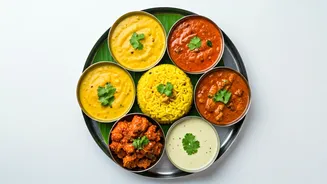
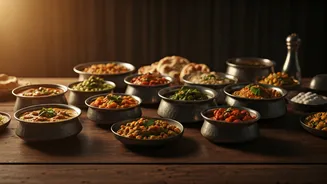
Let’s be honest: for many Americans, the journey into Indian cuisine began and ended at the all-you-can-eat lunch buffet. It was a standardized, often Anglicized, introduction heavy on Northern Indian dishes that were rich, comforting, and predictable.
While delicious, this approach presented a monolithic view of a cuisine that is as diverse as the subcontinent itself. Imagine if American food was represented solely by cheeseburgers and mac and cheese—you’d be missing the whole story. Now, a new generation of chefs and restaurateurs, many of them Indian Americans reconnecting with their heritage, are challenging that narrative. They are deconstructing the buffet and instead shining a spotlight on the snacks, street foods, and regional appetizers—the “bites”—that are the true heartbeat of daily Indian life. This isn't about rejecting classics like butter chicken; it's about expanding the American palate to embrace the incredible breadth of what India has to offer, one flavorful bite at a time.
The Thrill of the Chaat
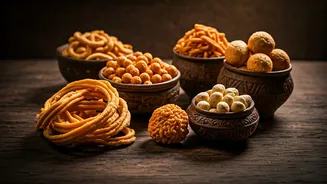
The gateway to this new world is often chaat, a category of savory street snacks that delivers an explosion of flavor and texture. The word itself translates to “to lick,” and the experience is just that—an irresistible, finger-licking combination of sweet, sour, spicy, and crunchy. Think of pani puri (or golgappe): small, hollow, crispy shells filled with spiced potatoes and chickpeas, which you then dunk into a tangy, herbed water and eat in one incredible burst. Then there’s bhel puri, a toss of puffed rice, crispy noodles (sev), chopped onions, potatoes, and chutneys, creating a light yet complex salad. Or sev puri, where flat crackers are topped with the same delicious medley. What these dishes share is a dynamic interplay of textures—crispy, soft, and chewy—and a symphony of flavors from tamarind chutney (sweet and sour), mint-cilantro chutney (spicy and fresh), and yogurt (cool and creamy). It’s an interactive, exciting way of eating that feels worlds away from a staid, sit-down curry dinner.
Discovering Regional Gems
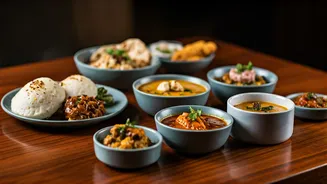
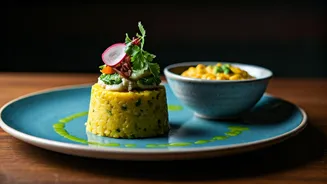
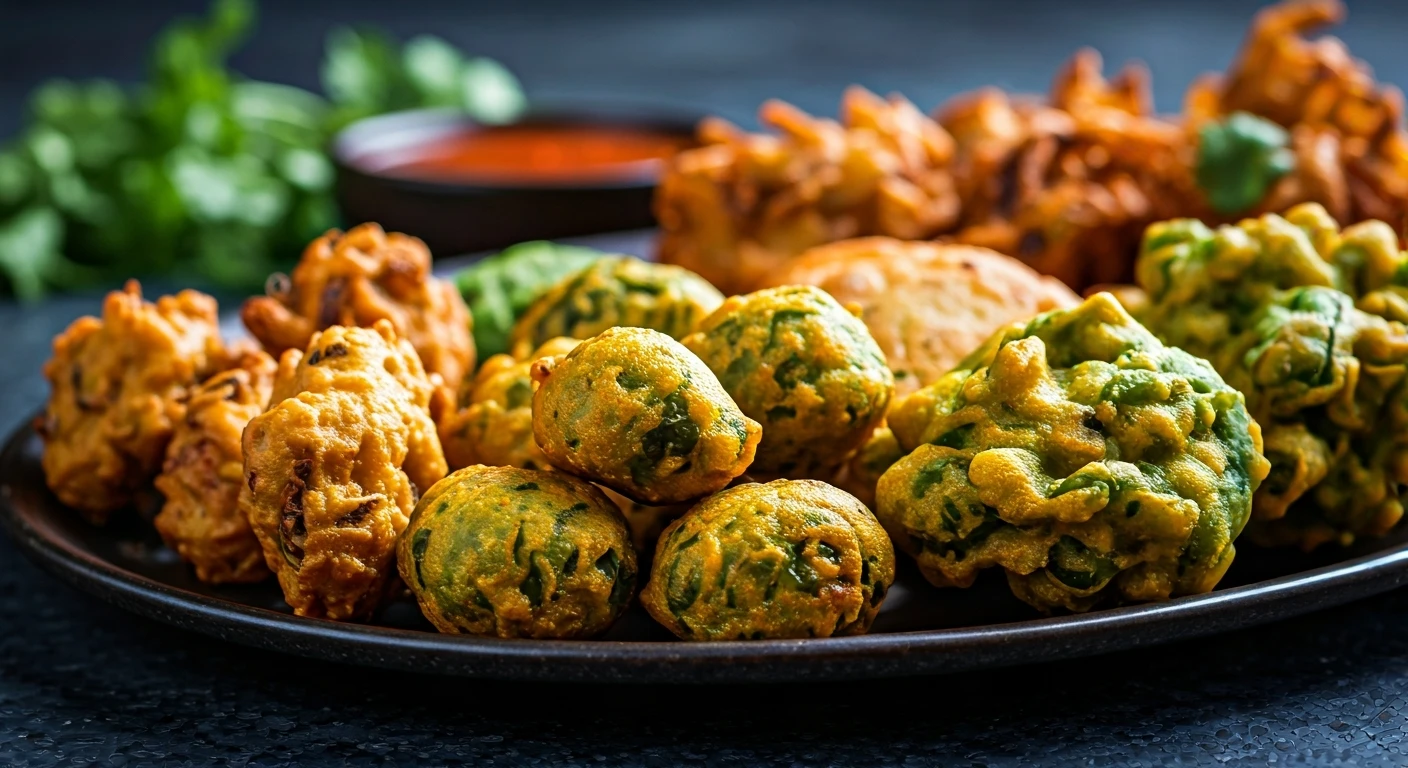
The trend goes even deeper than the well-known chaat carts of Delhi and Mumbai. Chefs are digging into the specific culinary traditions of their family’s home states, unearthing dishes rarely seen on U.S. menus. From Gujarat in the west comes khandvi, delicate, tightly rolled sheets made from gram flour and yogurt, seasoned with mustard seeds and coconut. They are savory, melt-in-your-mouth pinwheels that are as beautiful as they are delicious. From Maharashtra, you might find vada pav, often called the “Indian burger.” It’s a spiced potato fritter tucked into a soft bread roll, slathered with fiery garlic chutney. It’s the ultimate comfort carb, a staple for millions of commuters in Mumbai. Other menus are showcasing bites like dabeli, a sweet and spicy potato mixture stuffed in a bun and garnished with pomegranate seeds and peanuts, or crispy fried okra dusted in chaat masala. These aren't just appetizers; they are stories on a plate, each one offering a taste of a specific place and its culture.
The New Culinary Guard
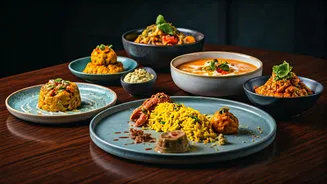
This movement isn't happening in a vacuum. It's being driven by acclaimed chefs and vibrant new restaurants that are earning Michelin stars and rave reviews for their commitment to authenticity and innovation. Places like New York’s Dhamaka, which focuses on the “unapologetic” food from lesser-known corners of India, or Miami’s Ghee Indian Kitchen, which adapts traditional family recipes with local Florida produce, are leading the charge. These chefs aren’t just cooking; they are acting as cultural translators. They are presenting these dishes in modern, thoughtfully designed spaces, pairing them with craft cocktails, and telling the stories behind the food. They are proving that Indian cuisine can be regional, refined, and profoundly personal. By focusing on these “bites,” they are making the food more accessible, encouraging diners to share, experiment, and compose a meal of diverse, exciting flavors rather than committing to a single, heavy entrée.