


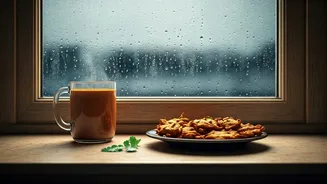


More Than Just a Rainy Day
In the United States, we track hurricane season and brace for snowstorms. In South Asia, the monsoon is the main event. It’s a powerful, transformative season stretching from roughly June to September that breaks the oppressive pre-summer heat. The first
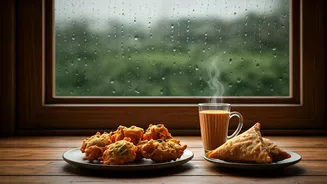
rains are met with a collective sigh of relief. The smell of petrichor—that earthy scent of rain hitting dry soil—is the official perfume of the season. The monsoon is more than a weather pattern; it's a cultural touchstone that dictates agriculture, inspires poetry and music, and, most importantly for our purposes, triggers a deep, communal craving for a specific category of comfort food. It’s a time when the pace of life slows, and people gather to watch the downpour, armed with hot tea and even hotter snacks.
The Holy Trinity: Hot, Fried, and Spicy
Why does the cool, damp air of the monsoon make people crave fried food? It’s a sensory response. The crisp, greasy, and spicy nature of these dishes provides a satisfying contrast to the chill in the air. Think of it as the South Asian equivalent of a hearty stew on a winter’s night. These aren’t just meals; they're experiences, often shared. The sound of sputtering oil in a pan, the sizzle of batter hitting a hot wok, and the steam rising from a cup of spiced tea become the soundtrack of the season. These foods are social glue, bringing families and friends together to huddle indoors, chat, and indulge while the world outside is washed clean by the rain.
The Unofficial Monsoon Menu
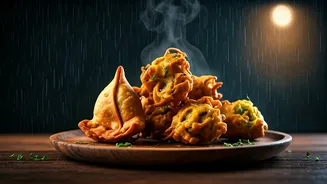
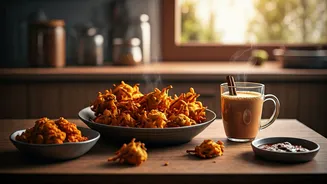
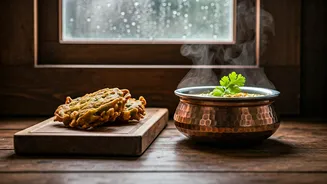
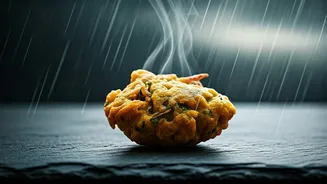
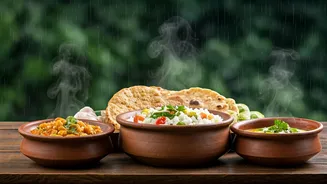
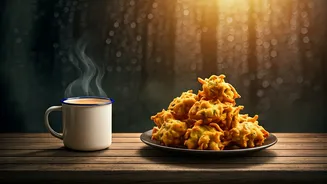
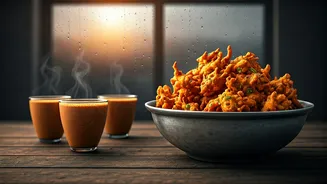
While regional variations are endless, a few iconic dishes stand out as the undisputed kings of monsoon season. These aren't fancy, five-star meals; they are humble, satisfying, and deeply nostalgic. First among equals are pakoras (or bhajis). These are assorted vegetables—like onions, potatoes, or spinach—dipped in a spiced chickpea flour batter and deep-fried to golden perfection. Served piping hot with mint chutney or tamarind sauce, they are the ultimate rainy-day snack. Equally beloved are samosas, the triangular pastries filled with spiced potatoes and peas, which become even more irresistible when the weather turns. No monsoon snack session is complete without masala chai, a milky tea brewed with a fragrant blend of spices like cardamom, ginger, and cloves. Its warmth radiates through you, warding off the dampness. For a true street-food experience, there's bhutta—roasted or boiled corn on the cob, slathered with salt, chili, and a generous squeeze of lime.
Keeping the Tradition Alive
This culinary tradition is so powerful that it travels with the diaspora. Across the United States, in cities from Houston to Jersey City, the first significant summer rainstorm can trigger a wave of nostalgia. South Asian restaurants might see a run on samosas, and home cooks will suddenly get the urge to whip up a batch of pakoras. It’s a way of reconnecting with a sensory memory, a taste of home that transcends geography. For first- and second-generation immigrants, making these foods is a way to pass down a cultural ritual, explaining to their children why a simple plate of fried onion fritters feels so special on a gray, drizzly afternoon. It's proof that comfort food is never just about the ingredients; it’s about the memories and emotions they evoke. The gray skies of an American summer storm become a backdrop for a vibrant, flavorful tradition, connecting the present moment to a thousand monsoons past.