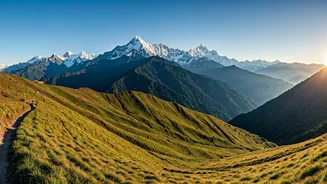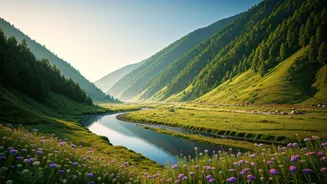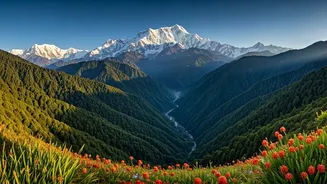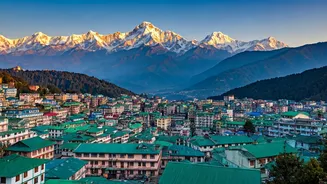





The Cinematic Monsoon Vibe
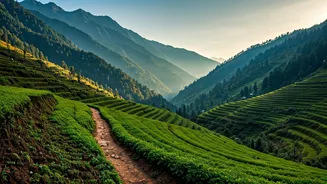
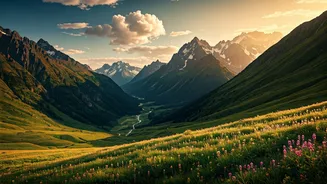
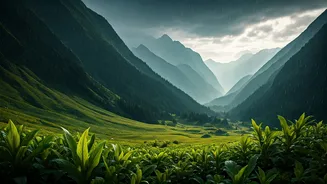
The word “cinematic” gets thrown around a lot in travel, but in Gangtok in June, it’s the literal truth. This is the beginning of the monsoon season in the Himalayan foothills. Don’t picture a dreary, week-long downpour. Instead, think of a dynamic landscape
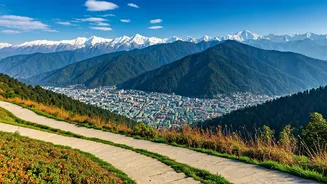
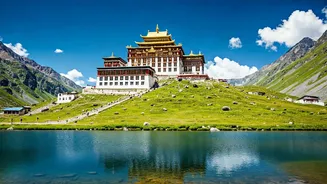
in constant motion. Heavy mists roll down the hillsides, swallowing entire valleys before parting just as quickly to reveal a stunning, emerald-green vista. The sun breaks through in dramatic shafts of light, illuminating ancient monasteries perched on ridges. The air is clean, cool, and carries the scent of wet earth and pine. It’s a mood—a quiet, contemplative atmosphere that feels less like a tourist rush and more like stepping onto the set of a thoughtful indie film. The usual crowds of peak season have thinned, leaving the city’s heart, the pedestrian-only MG Marg, feeling more like a local hangout than a tourist hub.
Embracing the Weather
Let’s be clear: you will see rain. June is the official start of the monsoon, which lasts through September. But this isn’t the sweltering, humid monsoon of the Indian plains. In Gangtok, which sits at an elevation of over 5,400 feet, the weather is refreshingly cool. Daytime temperatures hover in the comfortable 60s and low 70s Fahrenheit, with nights dipping into the 50s. The rain often comes in intense but manageable bursts, usually in the afternoon, leaving mornings and evenings clear for exploring. Instead of fighting it, locals embrace it. This is the season for cozying up in a cafe with a book, watching the clouds drift by. The rain is what makes the landscape so impossibly lush and the waterfalls, like the popular Bakthang Waterfall, thunderously impressive. If you pack correctly, the weather becomes part of the adventure, not an obstacle to it.
Sights Seen Through the Mist
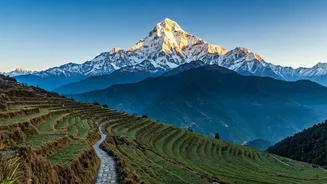
While some high-altitude excursions, like the famous trip to Nathu La Pass on the Chinese border, can be closed or inadvisable due to landslide risks, Gangtok’s core attractions take on a new magic in the monsoon. The iconic Rumtek Monastery, one of Tibetan Buddhism's most significant centers, feels even more mystical when shrouded in fog. The intricate murals and fluttering prayer flags appear more vibrant against the grey sky. A ride on the Damodar Ropeway, a cable car that glides over the city, becomes a journey through the clouds, offering fleeting, breathtaking glimpses of the valley below. Tashi View Point, known for its views of the Kanchenjunga mountain range, might not offer a perfectly clear panorama, but the dramatic play of cloud and light across the peaks can be just as mesmerizing. The key is to be patient and appreciate the atmospheric beauty over a checklist of crystal-clear photo ops.
A Cafe-Hopper’s Paradise
When a shower does roll in, there’s no better place to be than one of Gangtok’s many charming cafes. The city has a surprisingly robust coffee and cafe culture, perfect for the moody monsoon weather. Places like The Coffee Shop, Baker's Cafe, and the book-lined Rachna Books & Cafe offer warm, inviting spaces to wait out the rain. It’s the perfect time to sample local Sikkimese and Tibetan delicacies. Order a plate of steaming hot momos (dumplings), a hearty bowl of thukpa (noodle soup), or sip on a cup of salty-buttery Tibetan tea. These cafes become cozy hubs where you can chat with locals, read, and watch the world go by, turning a rainy afternoon from a travel hiccup into a memorable, authentic experience.
Monsoon-Ready Packing and Planning
A successful June trip to Gangtok is all about smart preparation. Your packing list is non-negotiable. A reliable waterproof jacket is essential, as are shoes with excellent grip for slippery streets and trails. Quick-dry clothing is a better choice than cotton or denim. Consider packing leech socks if you plan on doing any light trekking in the lush forests. For transport, be flexible. While main roads to and within Gangtok are generally well-maintained, landslides can cause delays on more remote routes. It’s wise to build extra buffer days into your itinerary. When booking your hotel, look for one with good reviews for dealing with dampness and that offers a warm, dry retreat after a day of exploring. Hiring a local driver who understands the seasonal road conditions is highly recommended for any day trips outside the city.