



The Stage is Set
Forget what you think you know about wildlife viewing. Ranthambore National Park, a sprawling expanse of arid forest and glassy lakes in Rajasthan, India, is different. Here, the past is never far away. The park is wrapped around the formidable Ranthambore Fort,
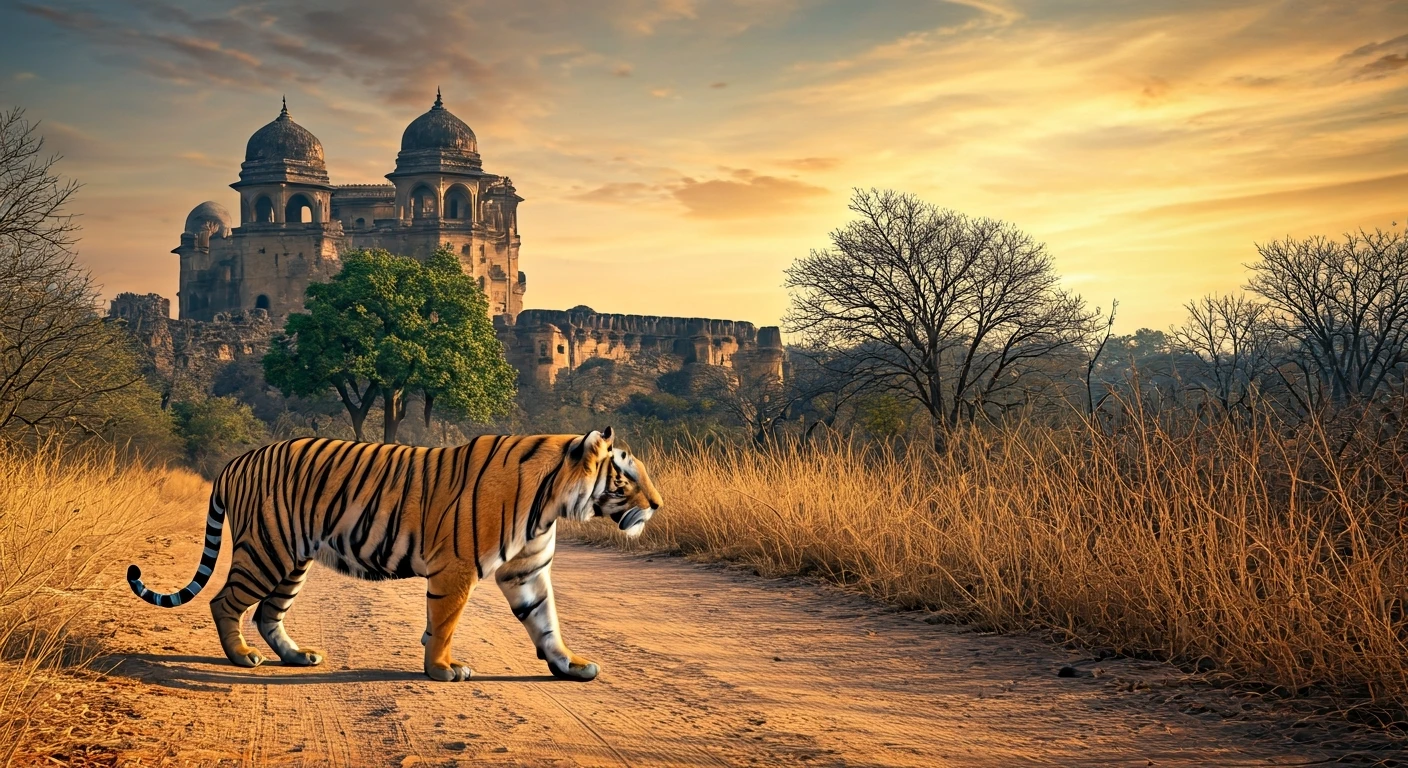
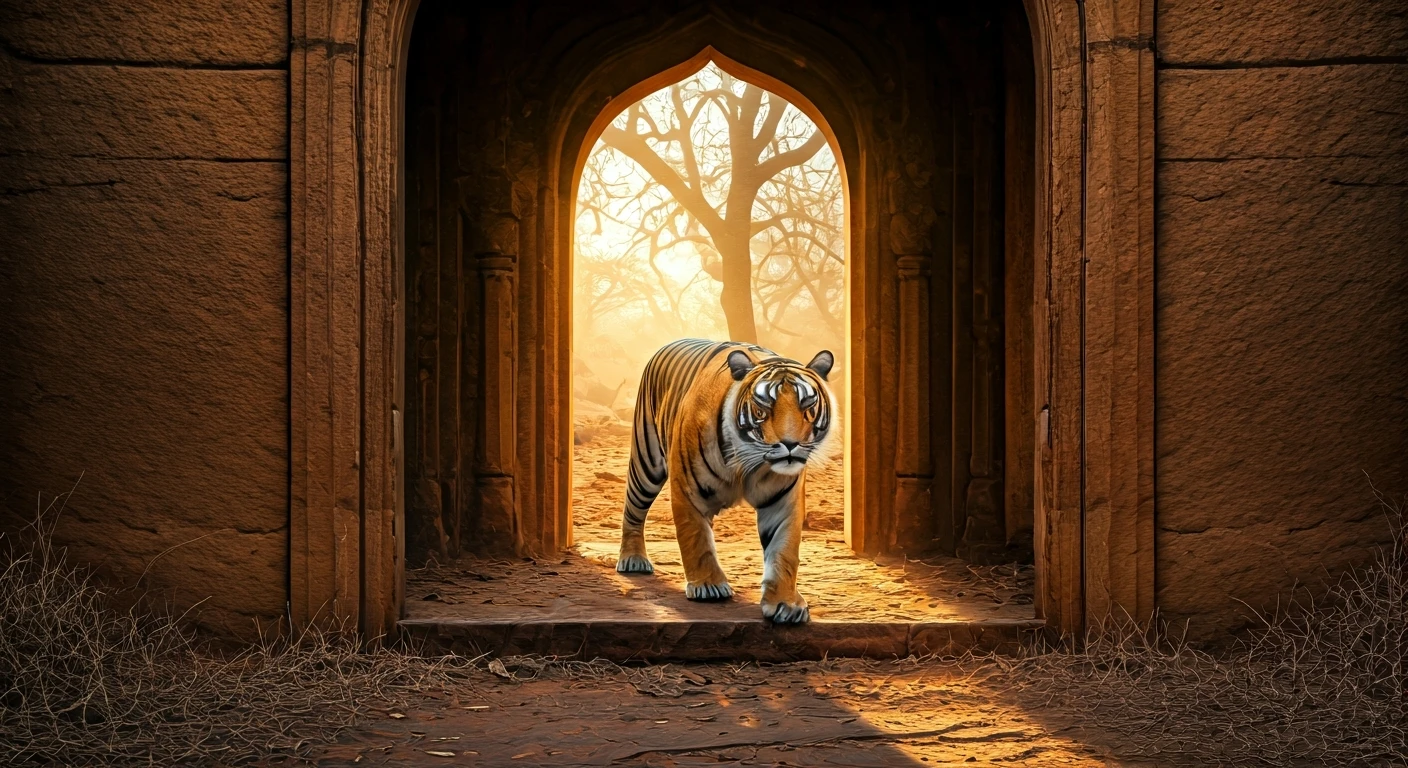
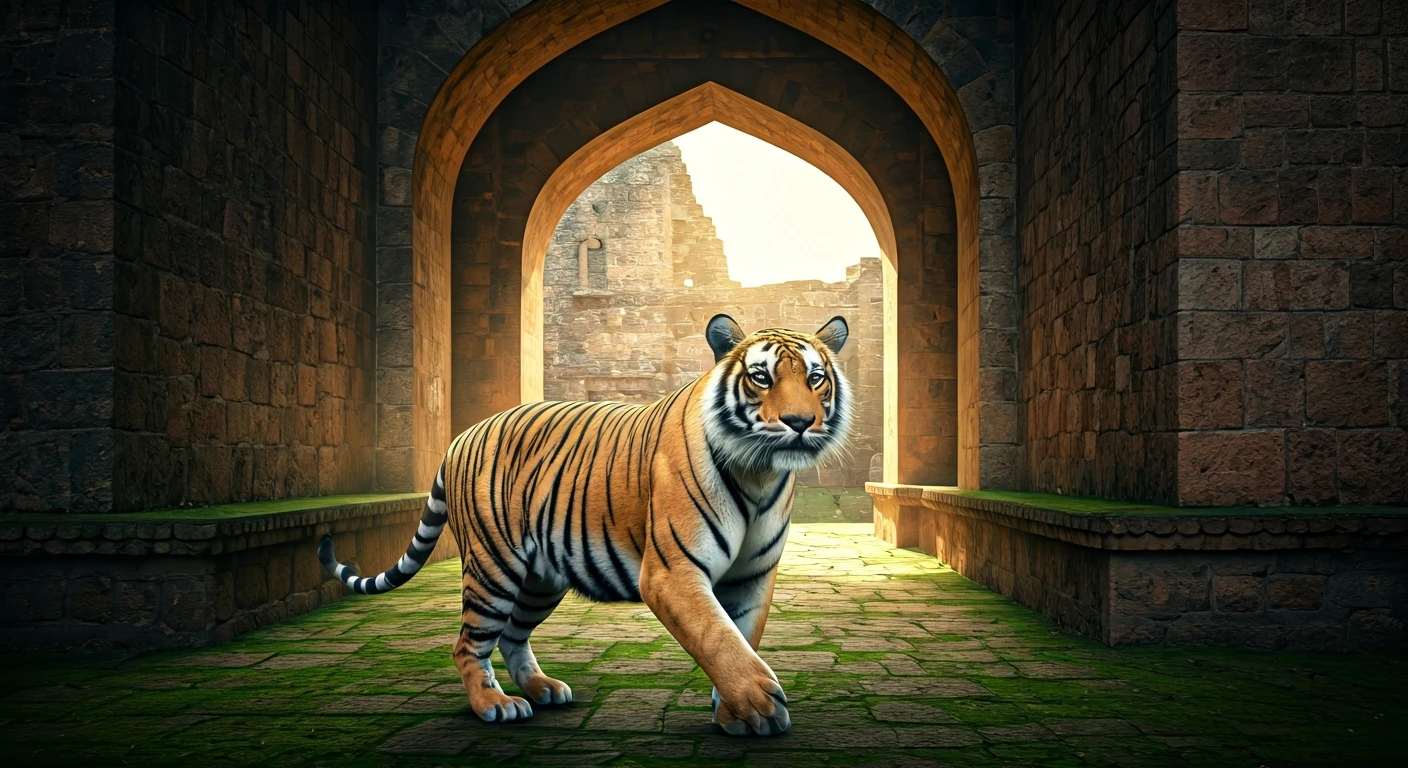
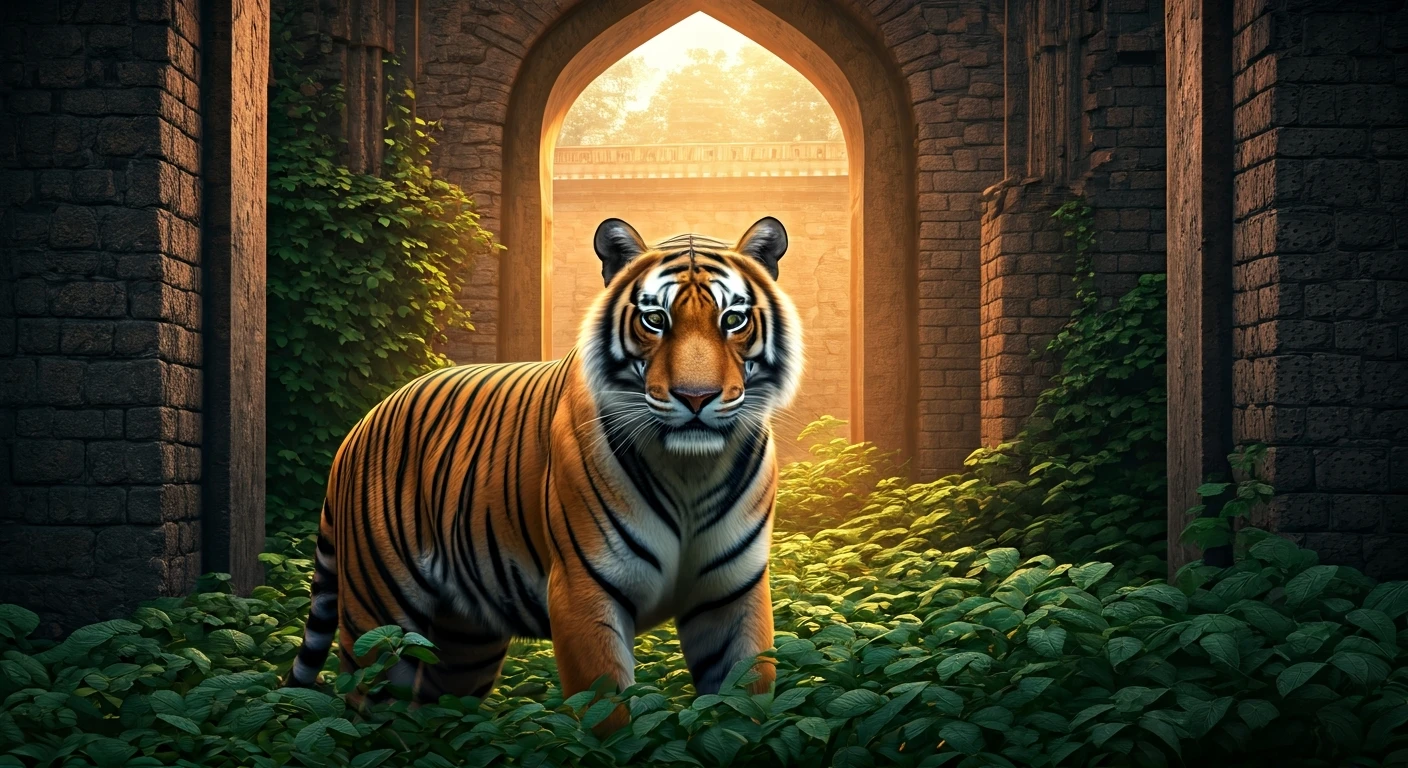
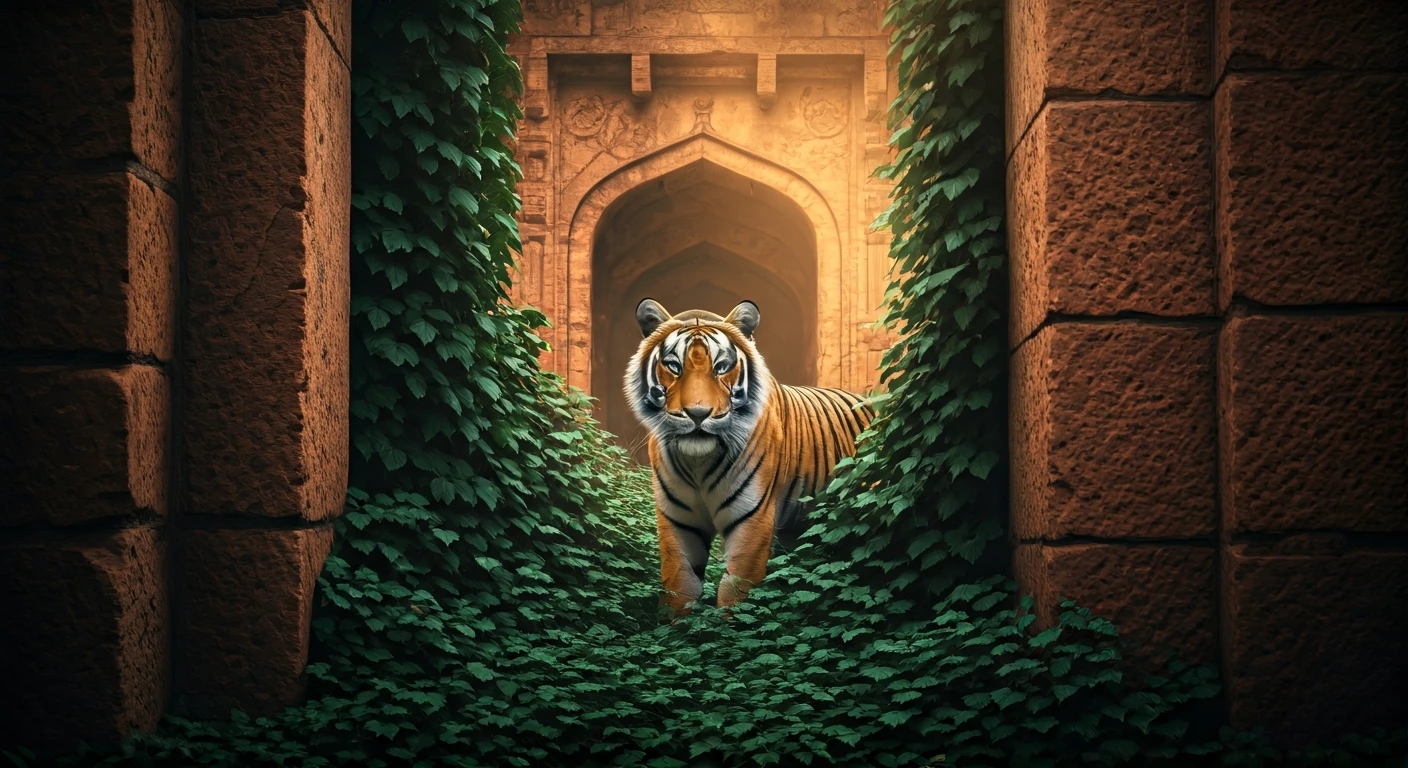
a UNESCO World Heritage site whose ramparts have witnessed a thousand years of history. But today, the kings of this domain are not men. The safari begins with a jolt. You’re bundled into an open-air jeep, called a Gypsy, that rumbles along dusty tracks. Every rustle in the dry leaves, every bird call, feels like a clue. The landscape itself is a character in the drama. Ancient domed cenotaphs, or chhatris, stand like lonely sentinels in open grassland. Crumbling temple walls are slowly being reclaimed by banyan tree roots, and stone archways frame vistas of crocodile-filled lakes. You’re tracking one of the planet’s most powerful predators on land that feels like a scene from an epic poem.
The Search for a Ghost
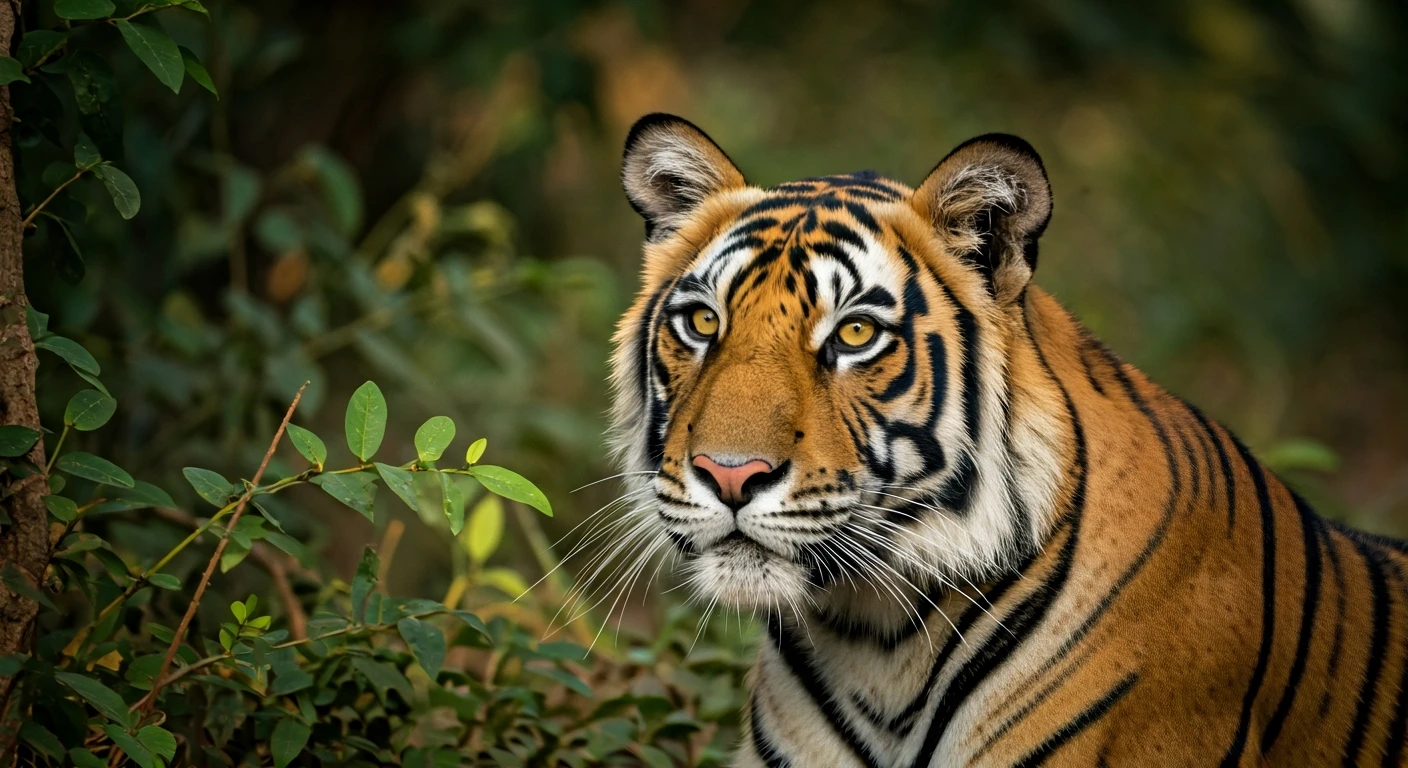
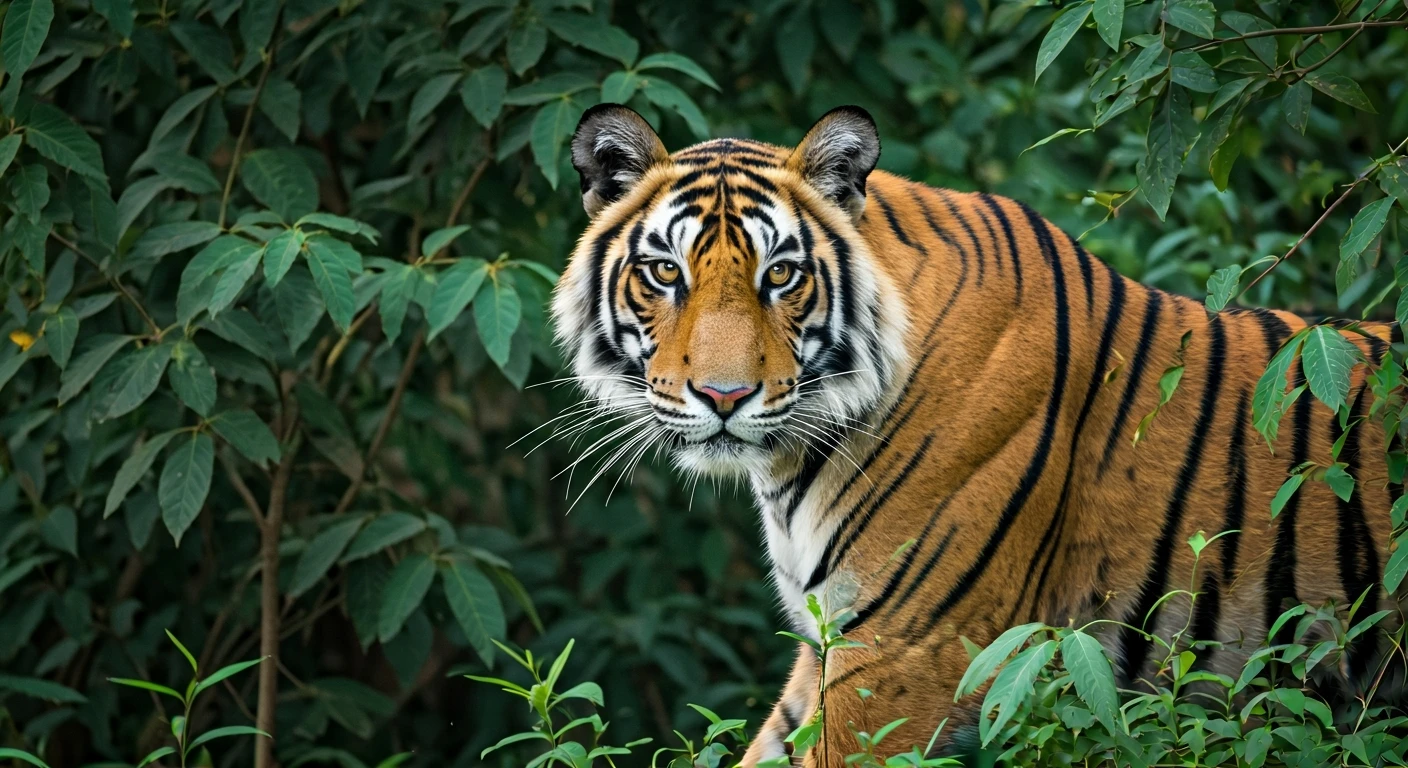
Finding a tiger is a game of patience and interpretation. It is a collaborative hunt involving every jeep in your designated zone. Your guide, a man with an almost supernatural ability to read the forest, suddenly signals for the driver to kill the engine. Silence descends, broken only by the chirping of unseen birds. He’s listening. A sambar deer lets out a guttural, barking alarm call from a distant ridge. Then another. The guides in different jeeps exchange quiet, urgent hand signals across the clearings. The tiger is on the move. This is the tension that defines Ranthambore. It’s not a passive viewing experience. You are an active participant in a manhunt, except your quarry is a 500-pound cat. The jeep lurches forward, racing to a new position, hoping to intercept the tiger’s path. You scan the tawny grasses and the deep shadows under the dhok trees, your eyes straining to pick out a pattern of black stripes on an orange coat. For long stretches, you see nothing. The forest holds its breath, and so do you. The drama is in the not-seeing as much as the seeing.
A Queen on Her Throne
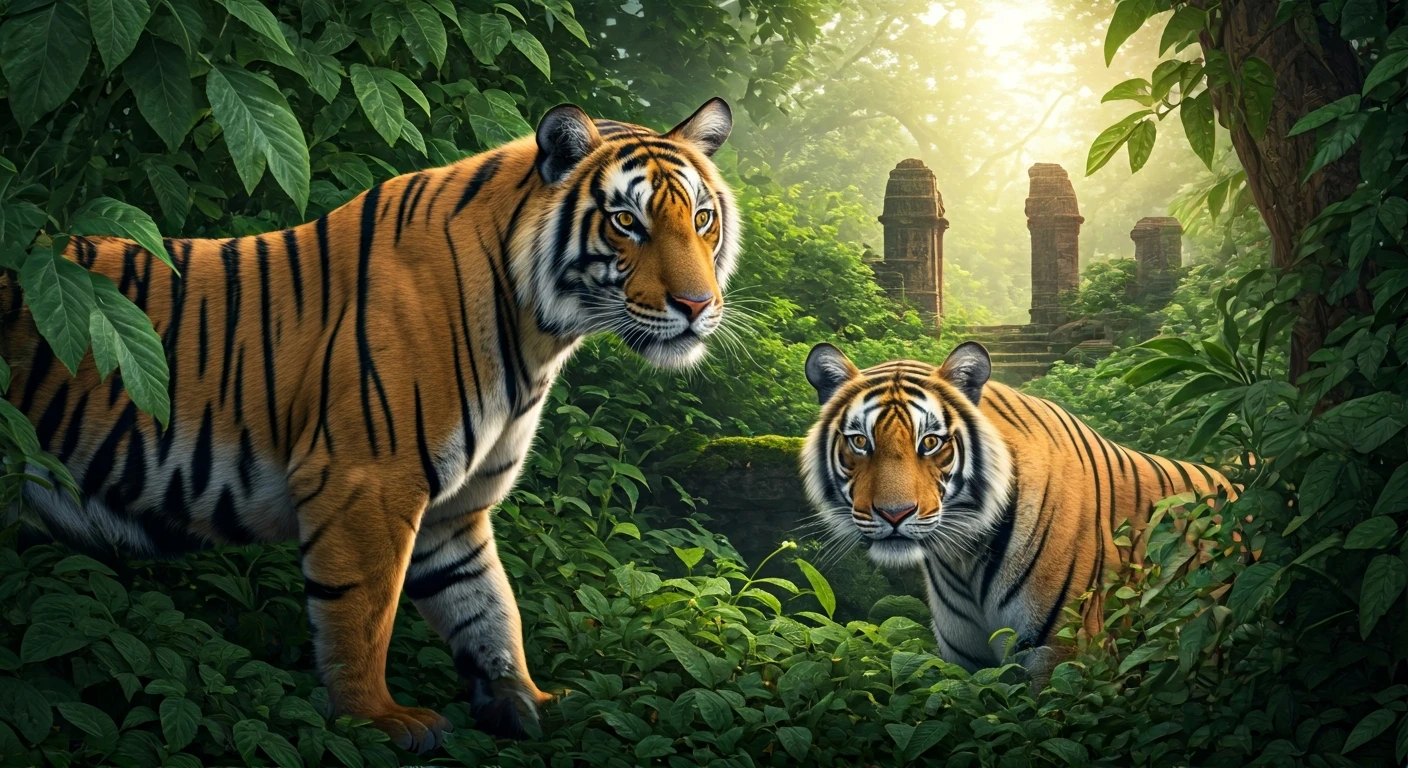
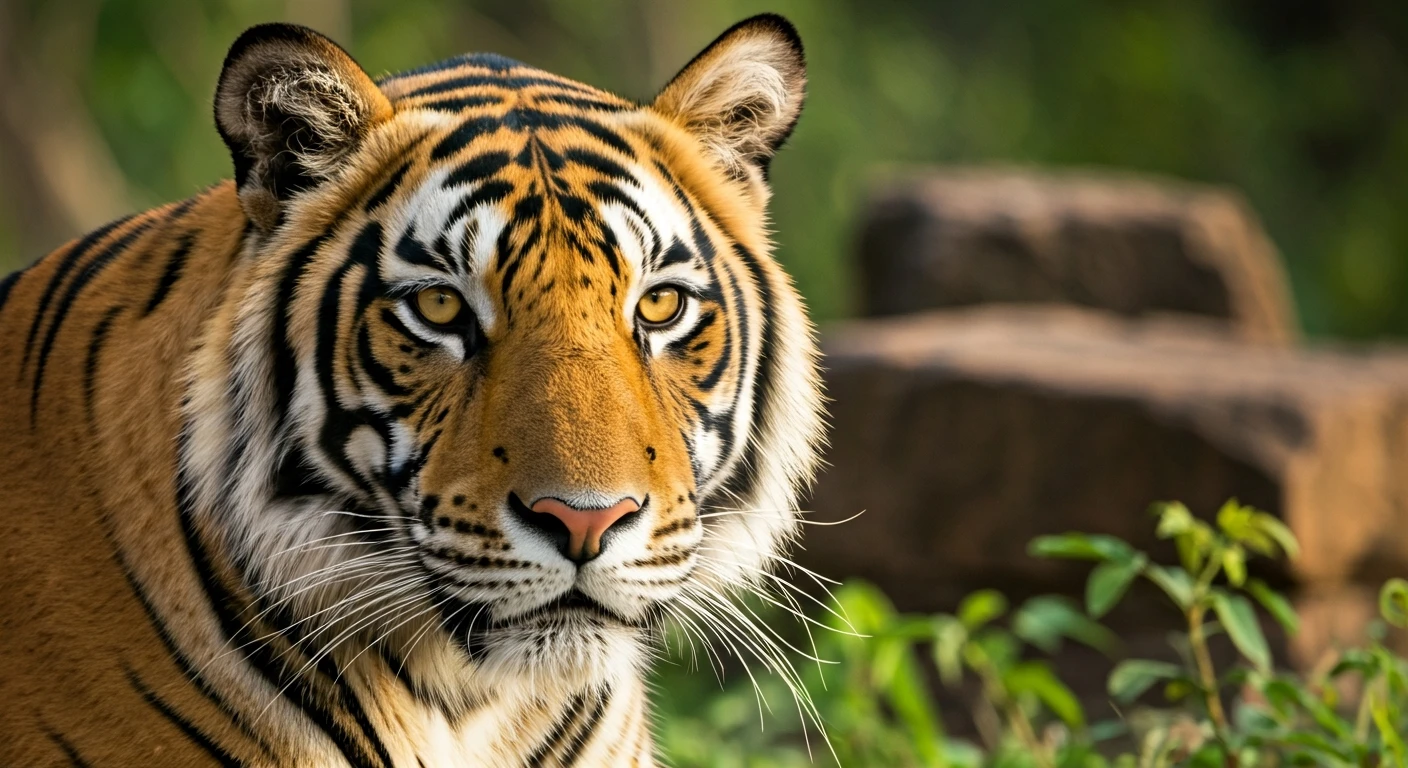
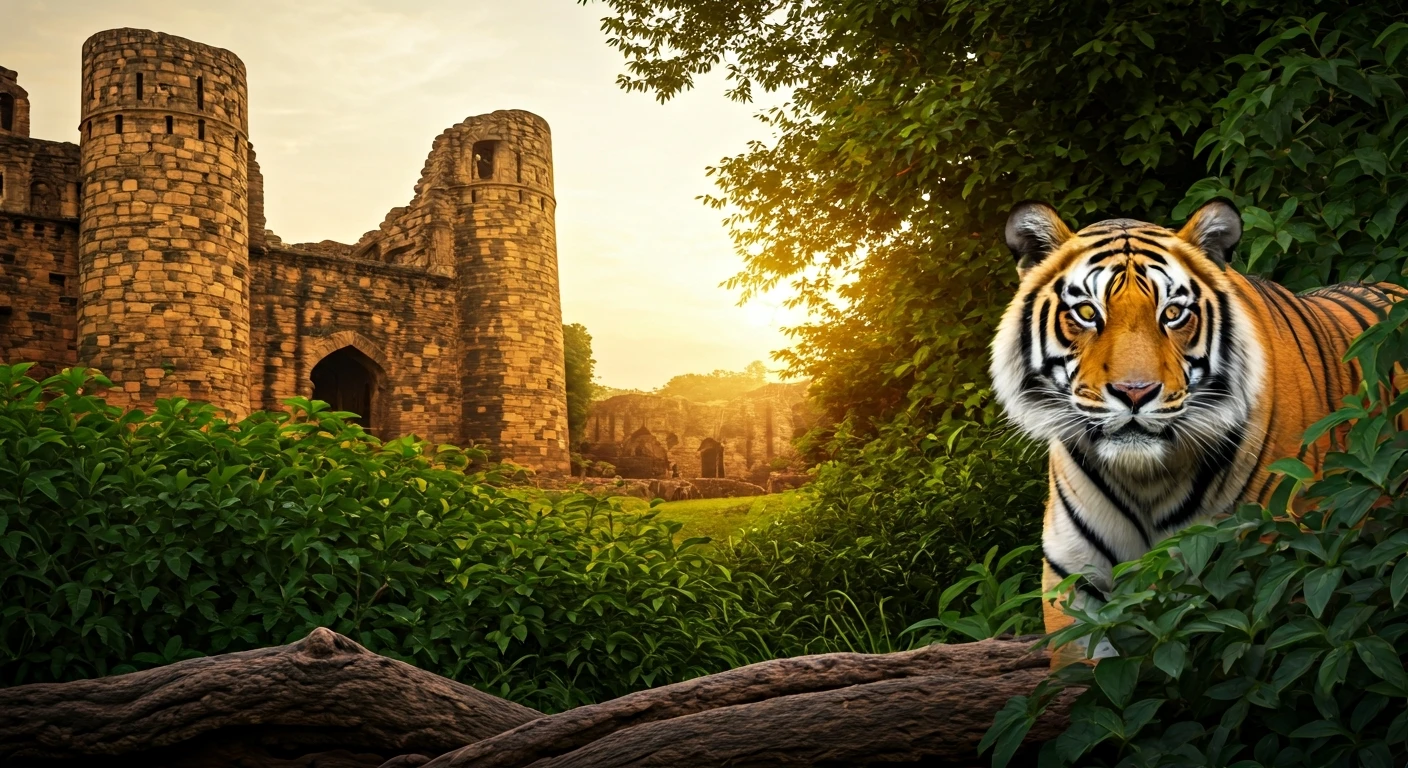
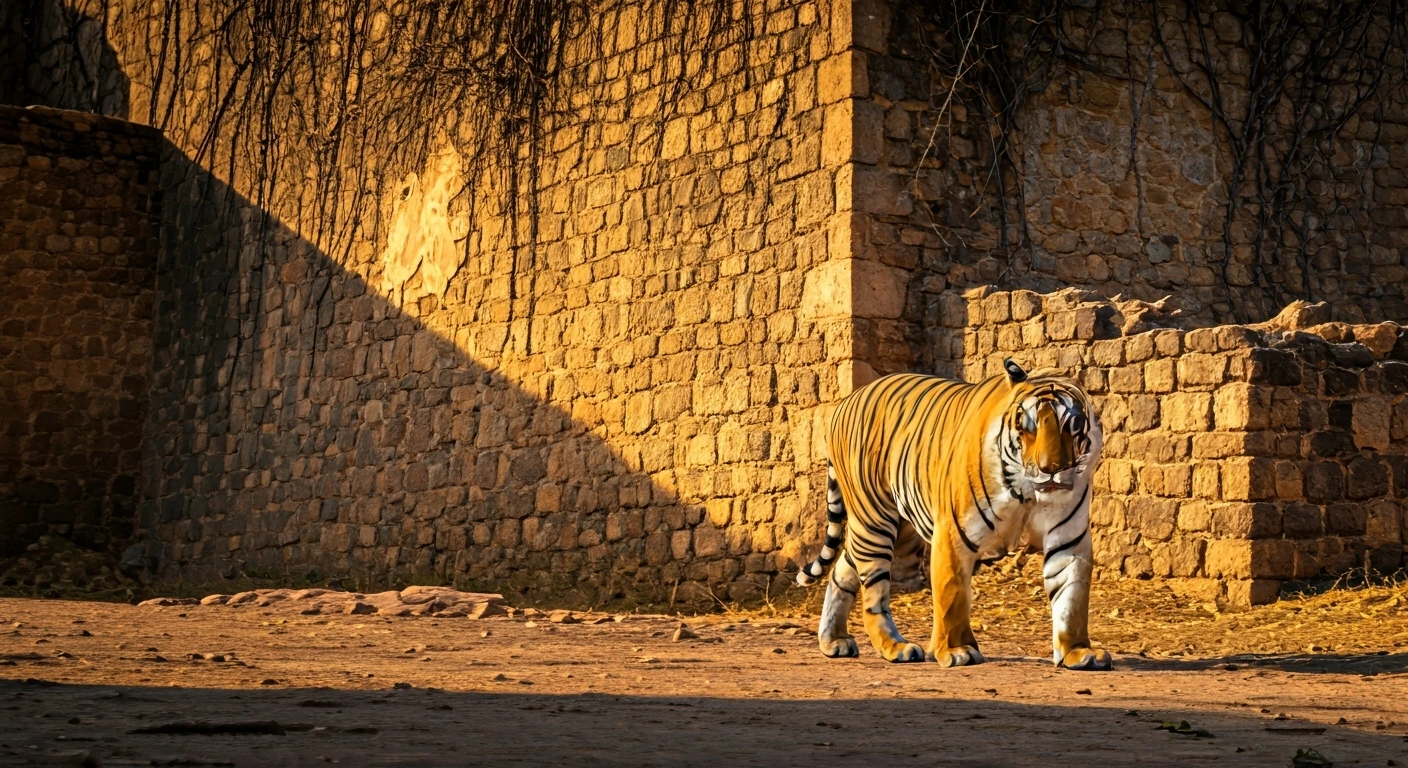
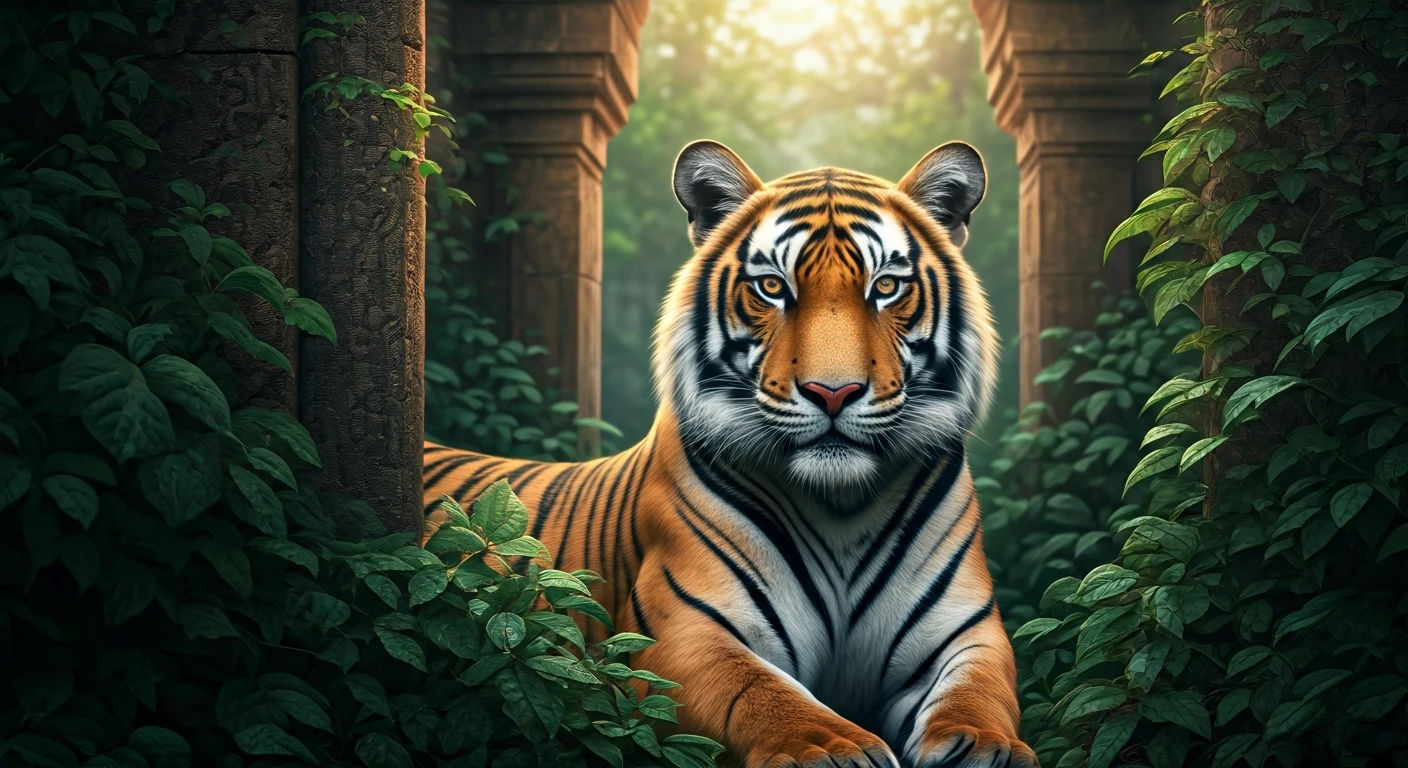
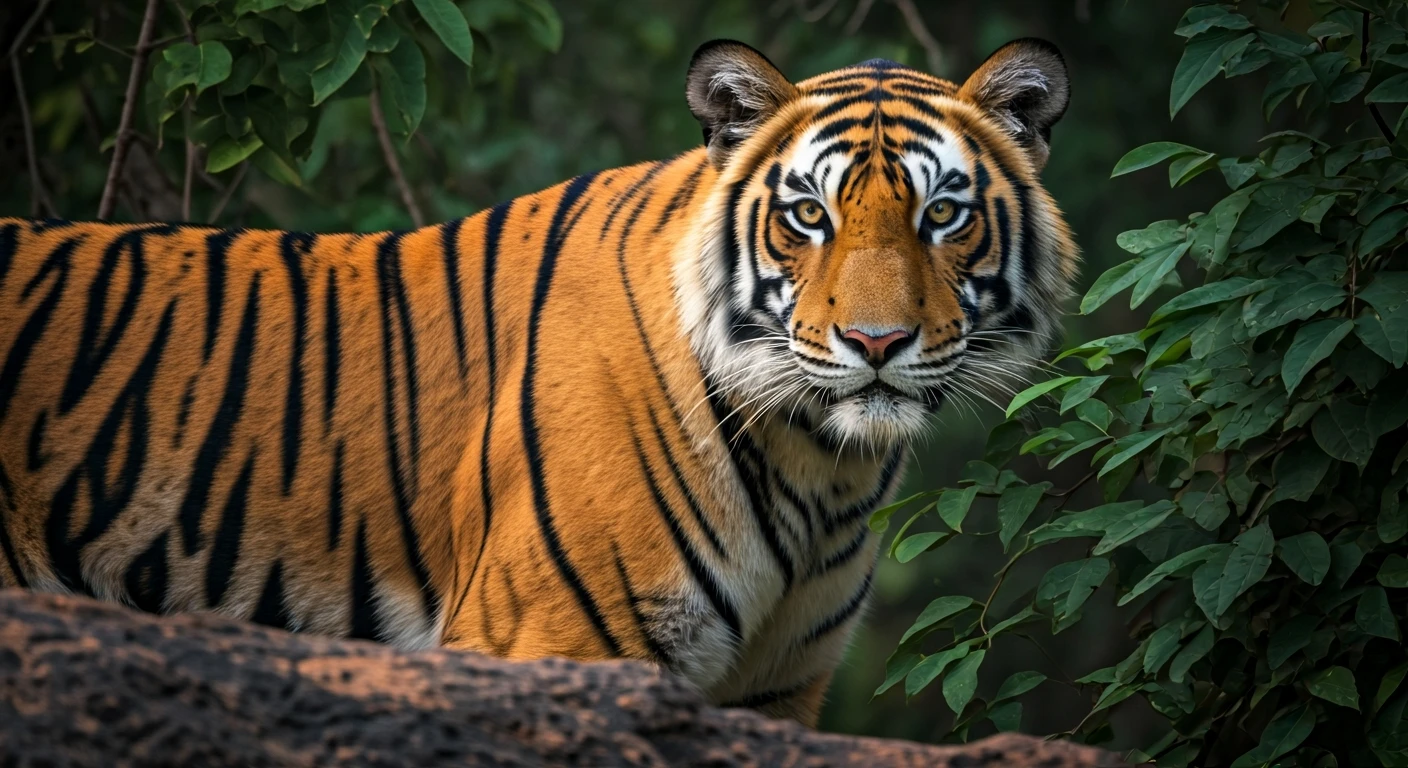
And then, it happens. Your guide points, his voice a low, reverent whisper: “Tiger. Female.” There, not fifty yards away, a tigress emerges from the brush. She isn’t just in the jungle; she is using a centuries-old, man-made wall as a path, walking along its crest with a fluid, muscular grace. She is utterly unconcerned by the hushed clicks of cameras. She owns this place. The juxtaposition is breathtaking: raw, untamable nature laid over the bones of human ambition. She might pause to look over her kingdom from the vantage point of a ruined watchtower, or descend to a lake built by a long-forgotten maharaja for a drink. In these moments, Ranthambore’s unique magic is laid bare. The ruins aren’t a backdrop; they are part of the tiger’s habitat. They are her shade, her vantage point, her throne. You’re not just seeing a tiger in the wild. You are seeing a tiger weaving itself into the fabric of history, a symbol of nature’s enduring power in a place where empires have already risen and fallen.
More Than a One-Act Play
While the Bengal tiger is undeniably the star of the show, Ranthambore’s supporting cast is just as compelling. Hulking sloth bears shuffle through the undergrowth, their long claws perfect for digging up termite mounds. Shy leopards, masters of camouflage, are sometimes spotted lounging on high branches. Marsh crocodiles, looking like prehistoric logs, bask on the banks of Padam Talao, the park’s most famous lake. And the birdlife is spectacular, from the iridescent flash of a peacock’s tail to the stoic pose of a crested serpent eagle scanning the ground for its next meal. Each sighting adds another layer to the story. The park is a complete, functioning ecosystem where the drama of survival plays out every minute of every day. The alarm calls of spotted deer and langur monkeys aren’t just for tigers; they are the jungle’s intricate communication network, a constant broadcast of life and death that you are, for a short while, privileged to tune into.