





More Than Just a Plastic Bag
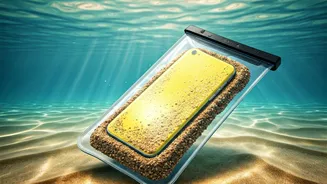
It’s tempting to think a standard zip-top sandwich bag can do the job. It can’t. Those bags are designed to keep a turkey sandwich fresh for a few hours, not to protect a $1,000 mini-computer from submersion. True waterproof phone pouches are a different
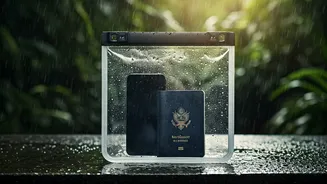
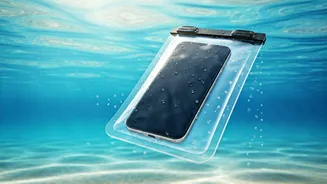
class of gear entirely. They are typically made from durable, touch-sensitive materials like thermoplastic polyurethane (TPU), which is more flexible and resilient than cheap PVC. The most critical difference, however, is the closure system. Instead of a flimsy press-and-seal strip, a quality pouch uses a robust clamp-and-lock mechanism. This creates a true hermetic seal that is tested and rated to withstand water pressure at significant depths, offering protection that a kitchen accessory simply can't match.
Decoding Waterproof Ratings
When shopping for a pouch, you’ll see an “IP” rating. This stands for Ingress Protection, and it’s the universal standard for how well a device resists solids (the first number) and liquids (the second number). For a phone pouch, you only need to focus on the liquid rating. You’ll often see it written as IPX8. The 'X' means it hasn't been rated for dust, which is fine—the sealed design inherently keeps dust and sand out. The '8' is the crucial part. An IPX8 rating signifies that the pouch is protected against continuous submersion in water, typically up to depths specified by the manufacturer (often 30 meters, or nearly 100 feet). An IPX7 rating is also good, guaranteeing protection in up to one meter of water for 30 minutes. For beach, pool, and boat use, an IPX8-rated pouch is the gold standard, giving you more than enough protection for accidental drops and even some intentional underwater photography.
Features That Actually Matter
Beyond the IP rating, a few key features separate the great pouches from the merely adequate. First is screen usability. A good pouch will use a clear, thin material that allows you to operate your touchscreen, take photos, and shoot video without removing the phone. Note that capacitive touchscreens don't work well underwater, so look for pouches that allow you to use your phone's physical volume buttons to snap photos. Second, consider size. Ensure the pouch is large enough for your phone, especially if you use a protective case you don't want to remove. Third, look for a strong, adjustable lanyard. This turns your protected phone into a hands-free accessory, perfect for keeping it secure while you swim, paddle, or hike. Finally, some of the best pouches offer built-in air pockets that make them float. This feature can be a true trip-saver, preventing your phone from sinking to the bottom of a lake or ocean.
Beyond the Beach: Year-Round Uses
While we often associate them with summer vacation, waterproof pouches are surprisingly versatile four-season tools. They are invaluable on the ski slopes, protecting your phone from snow and moisture while making it easy to access for photos on the lift. For hikers and campers, they provide peace of mind during unexpected downpours. Attending a rainy football game or an outdoor concert? A pouch keeps your device safe without having to hide it away. Even at home, they can be useful for reading recipes from your phone in the kitchen or listening to a podcast in the bath without fear. They keep out dust and grime during messy DIY projects and sand at the playground. Thinking of it as a 'phone life jacket' opens up its utility far beyond a single week at the beach.