




Embrace the Power of Yogurt
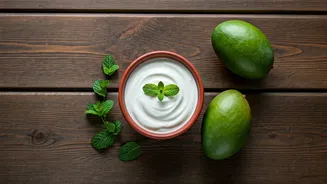
In the U.S., yogurt is mostly a breakfast food. But in Desi households, it’s a heat-busting superstar. The magic lies in its probiotic content and high water percentage, which aid digestion and promote hydration. The most famous applications are lassi
and raita. Lassi, a yogurt-based drink, can be savory (with salt and cumin) or sweet (with mango or sugar), but its core purpose is to refresh. Raita is a cooling yogurt-based dip or side dish, often mixed with grated cucumber, mint, and roasted cumin. It’s the perfect antidote to a spicy curry, calming the palate and the body. Instead of feeling heavy, a yogurt-based dish or drink leaves you feeling replenished and cool.
Hydrate with Cooling Vegetables
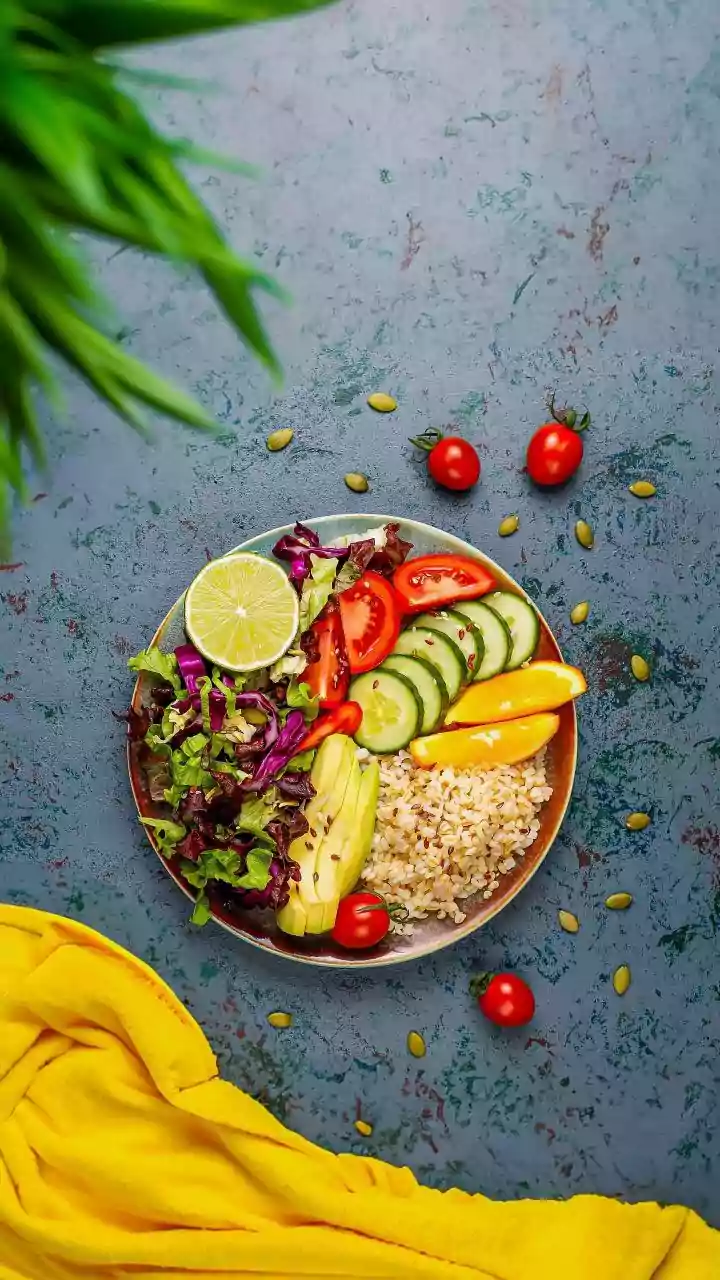
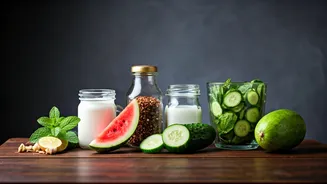
It’s no coincidence that some of the most popular vegetables in South Asian summer cuisine are packed with water. Cucumbers, which are over 95% water, are a prime example. They are sliced into salads, grated into raita, or simply eaten with a sprinkle of salt as a snack. Their high water content is inherently hydrating, and traditional Ayurvedic wisdom classifies them as a 'cooling' food that helps reduce body heat. Other gourds, like bottle gourd (lauki) or ridge gourd (tori), are similarly prized in summer curries. They are light on the stomach, easy to digest, and contribute to your daily fluid intake without you having to chug another glass of water.
Rethink Your Spices
Spicy food on a hot day might sound counterintuitive, but it's a globally recognized phenomenon. Eating something with a bit of a kick can induce sweating, which is your body's natural air conditioning system. However, the Desi approach is more nuanced. It’s about *which* spices you use. While chilis have their place, summer cooking often leans on spices considered 'cooling.' Cumin, coriander, and fennel seeds are staples. Cumin is a detoxifying agent, fennel is known for its digestive and cooling properties (often chewed after meals as a breath freshener), and coriander is believed to reduce body heat. These spices add complex flavor without the intense, fiery burn of capsaicin, offering a gentler way to regulate temperature.
Lean on Fresh Herbs
Fresh herbs are non-negotiable in a Desi kitchen, especially when temperatures soar. Mint and cilantro are the two undisputed champions of cool. Mint’s secret weapon is menthol, the compound that tricks your brain into feeling cold. It’s why a mint chutney or a sprig of mint in your water feels so profoundly refreshing. It’s not just a flavor; it’s a physical sensation. Cilantro offers a similar bright, clean taste that cuts through richness and heat. These herbs are not just garnishes; they are integral ingredients used in chutneys, drinks, salads, and raitas, providing a blast of freshness that instantly makes a meal feel lighter and more appropriate for a sweltering day.
Drink Smarter, Not Just Colder
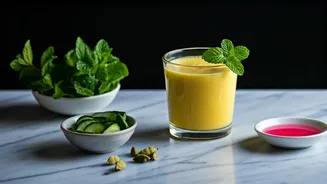
While an ice-cold soda offers a moment of relief, the sugar crash can leave you feeling sluggish. Desi summer drinks focus on sustained hydration and replenishment. Beyond lassi, there’s nimbu pani (a simple limeade with salt and sometimes sugar), jaljeera (a tangy drink made with cumin and other spices), and aam panna (a sweet and sour cooler made from raw green mangoes). These drinks are designed to replace electrolytes lost through sweat, thanks to ingredients like salt, lime, and tamarind. The raw mango in aam panna is particularly valued for preventing heat exhaustion. They prove that the most effective way to beat the heat isn’t just about temperature, but about giving your body the minerals and hydration it truly needs.