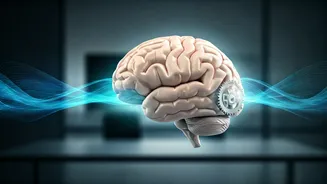








Rest as a Productivity Engine
For generations, rest was seen as the opposite of work—a necessary evil or a guilty pleasure. The modern, high-stakes professional understands it’s actually a key ingredient for elite performance. This isn't just about getting eight hours of sleep, though
that’s critical. It’s about strategically integrating different types of rest into your workday to boost cognitive function and creativity. Think of it in two ways: micro-rests and macro-rests. Micro-rests are short, deliberate breaks during the day. The Pomodoro Technique—25 minutes of focused work followed by a 5-minute break—is a classic example. This isn't for scrolling social media; it’s for letting your brain go idle. Look out a window, stretch, or do nothing. This mental downtime allows your brain to process information and make new connections. Macro-rests involve fully detaching. This means evenings where you’re not checking email and vacations where you truly unplug. This detachment isn’t laziness; it’s a strategic reset that prevents the cognitive decline that comes with chronic stress, allowing you to return to work with a sharper, more innovative mind.
Movement as a Cognitive Enhancer
Sitting at a desk for eight hours a day was once a sign of a dedicated white-collar worker. Today, it’s a recipe for physical and mental stagnation. Movement is no longer just for the gym; it's a powerful tool for enhancing brain function, managing stress, and unlocking better ideas. When you treat your body like an asset, your mind reaps the rewards. Integrating movement doesn’t require a 90-minute lunch break for CrossFit. It’s about finding opportunities for what some call “exercise snacks.” Take a 10-minute walk before a critical meeting to clear your head and boost circulation to your brain. Opt for a walking meeting to stimulate creative problem-solving; studies have shown walking can increase creative output significantly. Even simple acts like standing up to take a phone call or doing five minutes of stretching at your desk can combat the physiological stress of sedentary work. By reframing movement as a performance enhancer rather than a separate chore, you can use it to maintain energy and focus throughout the most demanding workweeks.
Recovery as a Strategic Advantage
If rest is about pausing and movement is about physical action, recovery is the holistic process of building resilience for the long haul. In sports, no one questions the importance of a recovery day. Athletes know that’s when muscles rebuild and gains are solidified. The same concept applies to the “corporate athlete.” Your career is a marathon, not a sprint, and strategic recovery is what ensures you can handle the inevitable challenges, setbacks, and periods of high pressure. Recovery encompasses both physical and psychological resilience. It’s about developing the capacity to bounce back from a project failure, a difficult client, or a stressful quarter without burning out. This involves activities that actively replenish your mental and emotional energy, whether it’s a hobby that puts you in a state of flow, time spent in nature, or connecting with your support system. It’s also about mindset—learning to view challenges as opportunities for growth rather than threats. By proactively managing your energy and building this resilience, you aren’t just surviving your career; you're creating a sustainable competitive advantage.