

The Deep-Fried Dilemma
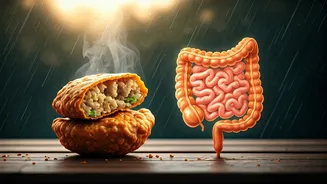
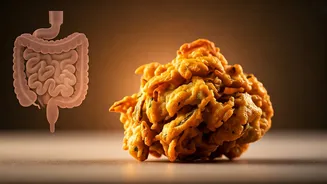
Let’s start with the most obvious culprit: the cooking method. That glorious, golden-brown crust is the result of deep-frying. When food is submerged in hot oil, it absorbs a significant amount of fat. This does two things that your gut isn’t thrilled
about. First, high-fat foods are notoriously slow to digest. They sit in your stomach longer, which can lead to that heavy, leaden feeling and a general sense of sluggishness. Second, this process dramatically increases the calorie count. While delicious, the sheer density of a fried pakora can be a shock to the system, especially if you’re not used to high-fat meals, leading to bloating and discomfort as your body works overtime to process it all.
The Chickpea Flour Factor
The base of a traditional pakora batter is besan, or chickpea flour. On paper, it’s a champion: gluten-free, high in protein, and packed with fiber. But for some people, those very benefits can be the source of the problem. Chickpeas are high in oligosaccharides, a type of complex sugar that the human body can't fully break down on its own. When these sugars reach your large intestine, the bacteria there go to town, fermenting them and producing gas as a byproduct. For people sensitive to these compounds (which are also found in beans, lentils, and cabbage), a plate of pakoras can easily translate to bloating, cramping, and uncomfortable gas.
When Spices Aren't So Nice
The complex, aromatic blend of spices is what gives a pakora its soul. Turmeric, cumin, coriander, and often a hit of chili are what elevate it from a simple fritter to something special. In moderation, these spices are fantastic and even offer health benefits. However, when combined in a dense, fatty food, they can sometimes conspire against your digestive peace. For individuals prone to acid reflux or heartburn, a combination of heavy fats and potent spices can relax the lower esophageal sphincter—the valve that keeps stomach acid where it belongs. This allows acid to splash back up, causing that familiar burning sensation in the chest and throat.
The Temperature of the Oil Matters
Not all frying is created equal. The temperature of the oil you cook your pakoras in plays a huge role in how they affect you. If the oil is not hot enough (ideally between 350-375°F), the batter acts like a sponge, soaking up excess grease before it has a chance to cook through and form a protective crust. This results in a pakora that is not only soggy and unappealing but also significantly heavier and oilier than it needs to be. A properly fried pakora, cooked quickly in very hot oil, will be crisp on the outside and fluffy on the inside, having absorbed far less fat in the process. It's a small detail that makes a big difference to both the taste and the aftermath.
Enjoying Pakoras Without the Regret
So, is the only answer to swear off pakoras forever? Absolutely not. Understanding the 'why' allows for a smarter 'how.' First, consider portion control. Enjoy one or two well-made pakoras instead of a whole plate. You can also experiment with modern cooking methods. An air fryer can produce a surprisingly crispy pakora with a fraction of the oil. Baking them on a wire rack in a hot oven is another great alternative. If you are making them at home, ensure your oil is hot enough and don't overcrowd the pan. Pairing them with a cooling yogurt-based dip, like raita, can also help temper the spice and aid digestion. It's not about deprivation; it's about mindful indulgence.