







First, What Exactly Are Adaptogens?
Let’s start with a quick definition. The term “adaptogen” is a modern label for a class of herbs, roots, and fungi that have been staples in traditional medicine—like Ayurveda in India and Traditional Chinese Medicine—for centuries. The core concept is that they
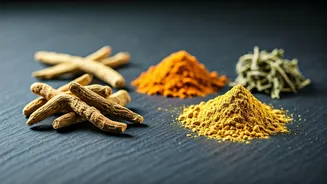
help the body “adapt” to physical, chemical, and biological stress. Think of them as a thermostat for your body’s stress response system. When you’re frazzled, they’re believed to help calm you; when you’re fatigued, they might offer a gentle lift without the jitters of caffeine. The most famous players on the U.S. scene are ashwagandha, an earthy root often used for relaxation, and holy basil (tulsi), a revered herb associated with calm and balance. While Western science is still catching up with definitive, large-scale studies, the cultural and historical belief in their benefits is powerful and ancient.
An Ancient Tradition, Not a New Trend
Here’s the most important piece of context: for India, adaptogens are anything but new. Herbs like ashwagandha, tulsi, brahmi, and amla (Indian gooseberry) are deeply woven into the fabric of daily life and, most significantly, the ancient practice of Ayurveda. For millennia, these plants weren’t ingredients in a trendy smoothie; they were prescribed by vaidyas (Ayurvedic practitioners) and used in home remedies to bolster immunity, improve vitality, and manage life’s pressures. A grandmother might give a child a tonic with brahmi for focus before an exam, or a family might sip on tulsi tea to ward off a cold. This isn't a fleeting wellness fad discovered on Instagram; it’s a profound medical and cultural heritage. The “new” part isn’t the ingredients themselves, but where and how they are now appearing.
From Medicine Cabinet to Cafe Menu
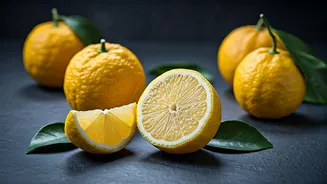
This is where the story gets its modern twist. Walk into a trendy cafe in Mumbai, Delhi, or Bengaluru today, and you’ll see adaptogens starring on the menu in ways that would be unrecognizable to traditionalists. The earthy, sometimes bitter taste of ashwagandha is being masterfully blended into artisanal dark chocolate bars and creamy lattes. Bright, tangy amla is showing up in cold-pressed juices and even gourmet cocktails, marketed for its high vitamin C content. Chefs are creating “immunity-boosting” soup bowls infused with turmeric and tulsi, and dessert menus feature “calming” lavender and brahmi panna cotta. This shift from medicinal preparations to lifestyle-oriented, Instagram-friendly food and drink is the heart of the new buzz. It’s the culinary world finally catching on to what the wellness world has known for years, packaging it for a new, savvy generation of Indian consumers.
Why the Sudden Mainstream Buzz?
Several forces are converging to drive this trend. First, the global wellness movement has come full circle. As adaptogens gained popularity in the West, it created a renewed interest and sense of pride within India, encouraging a new generation to look inward and reclaim their own traditions. Second, the COVID-19 pandemic put a massive emphasis on immunity and preventative health, pushing concepts like “kadha”—a traditional herbal decoction—from the home kitchen into the mainstream market. Brands and cafes seized on this, offering more palatable, modern versions. Finally, there's a growing urban Indian consumer base that is globally aware, health-conscious, and has the disposable income to spend on premium, wellness-focused products. They want the benefits of Ayurveda, but delivered in a format that fits their modern lifestyle—a quick, delicious, and beautifully presented package.