


Beyond Greek Yogurt: The World of Dahi
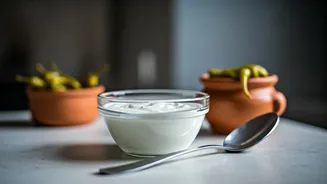
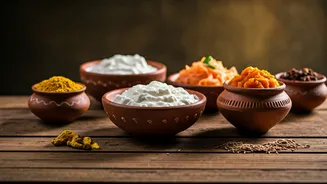
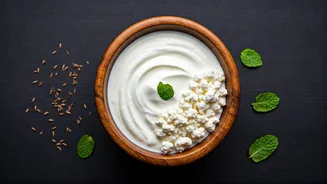
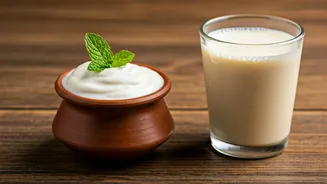
The foundation of many South Asian probiotics is dahi, a traditional yogurt. While it shares a bacterial-culture base with the Greek yogurt you know, dahi is typically looser, lighter, and has a pleasant tanginess. Made at home for generations, it’s a staple
in Desi households. It’s eaten plain, as a side to a spicy meal to cool the palate, or mixed with rice. Its live and active cultures make it a powerhouse for gut health, helping to replenish the good bacteria essential for digestion. Unlike many commercial yogurts that are loaded with sugar, traditional dahi is a simple, whole food, making it the perfect starting point for your summer probiotic journey.
Chaas: The Ultimate Cooling Drink
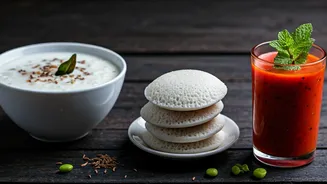
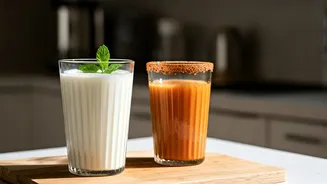
If you see an Indian family enjoying a savory, milky-white drink with lunch, it’s likely chaas (or chaach). Often called spiced buttermilk, chaas is a masterful blend of dahi, water, and spices. It's not the thick, cultured buttermilk used for American pancakes. Instead, it’s a thin, highly drinkable beverage designed for rehydration and digestion. The magic is in the spices: roasted cumin powder, black salt (kala namak), ginger, and fresh cilantro or mint are common additions. Each ingredient serves a purpose—cumin and ginger aid digestion, while mint provides a cooling sensation. In the sweltering heat, a glass of chilled chaas is traditionally consumed to prevent dehydration and soothe the stomach, making it a far superior choice to a sugary soda.
Lassi: The Smoothie's Ancestor
Perhaps the most famous Desi drink in the U.S., lassi is a thicker, richer beverage also made from a dahi base. It comes in two main forms: sweet and savory. The savory version, or “salty lassi,” is similar to chaas but often thicker and simpler, sometimes just blended with salt and water. The sweet version is what most Americans know and love, often blended with sugar and fruit—the iconic mango lassi being the prime example. While a sweet lassi is more of a treat, it’s still packed with probiotics from the yogurt. For a healthier option, try a plain sweet lassi with just a hint of sugar or honey, or stick to the savory version for a truly refreshing and gut-friendly experience.
Kanji: A Fermented Powerhouse
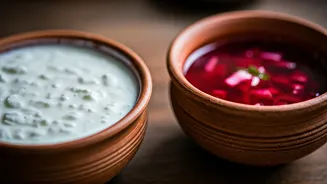
For the more adventurous palate, there is kanji. This traditional fermented drink, popular in North India, is tangy, pungent, and deeply savory. It’s typically made by fermenting black carrots (or beets, when black carrots aren't available) in water with ground mustard seeds and black salt. The mixture is left in the sun for several days to ferment, developing a complex flavor and a wealth of beneficial bacteria. Kanji is not a creamy, yogurt-based drink; it's a sharp, sour tonic celebrated for its digestive properties, especially during the transition from winter to spring and into summer. It's often consumed before a meal to stimulate the appetite and digestive system. While harder to find in restaurants, it's a worthwhile DIY project for fermentation enthusiasts.
Achaar: Not Your Average Pickle
While not a drink, traditional Indian pickles, or achaar, are another potent source of probiotics. Unlike many Western pickles that are brined in vinegar, many traditional achaars are preserved through lacto-fermentation. Chopped fruits or vegetables like mangoes, lemons, and chilis are mixed with salt and spices and left to cure, often in the sun. This process encourages the growth of beneficial lactobacillus bacteria. The result is a fiery, funky, and complex condiment that adds a flavor explosion to any meal. A small spoonful of authentic, fermented achaar with rice and dal not only enhances the taste but also delivers a dose of gut-friendly microbes. Just be sure to check the label for “unpasteurized” or “naturally fermented” to ensure you’re getting the live-culture benefits.