
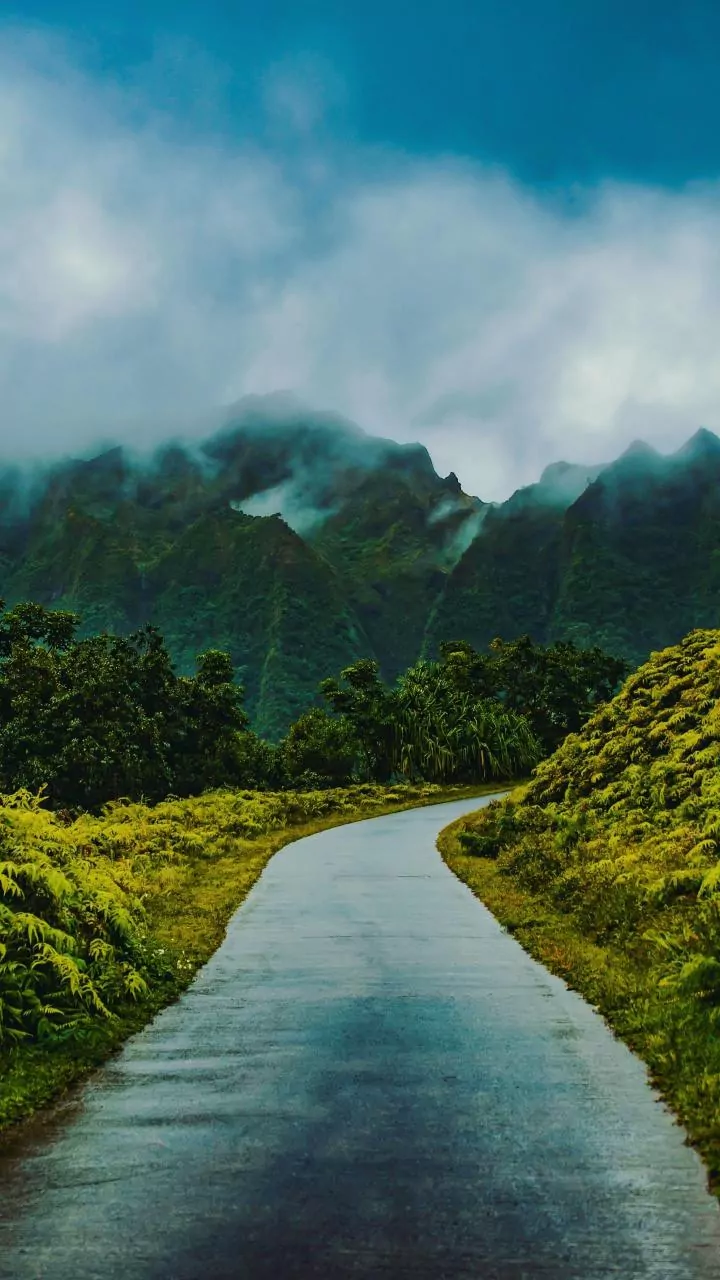
Look Beyond the Viral Hotspots
Social media is flooded with stunning images of places like Lonavala, Khandala, and Malshej Ghat from June through September. What the pictures don’t show are the hours-long traffic snarls, dangerously overcrowded viewpoints, and the general chaos that
descends upon these popular destinations every weekend. The viral fame has turned serene getaways into stressful ordeals. A smarter choice involves looking at a map and finding the alternatives. For every overrun Lonavala, there’s a quieter Bhandardara, with its serene lake and historic dam, or the misty hills of Amboli Ghat, which offer a similar verdant landscape with a fraction of the crowds. The goal isn't to avoid beauty, but to find it where you can actually enjoy it.
Respect the Roads and the Rain
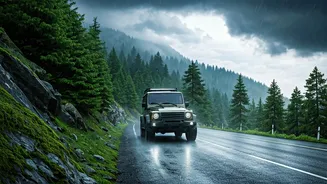
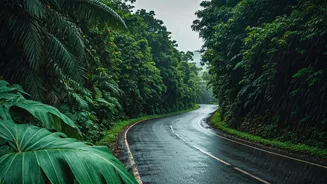
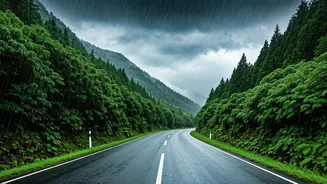
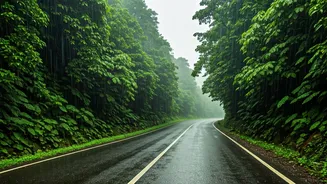
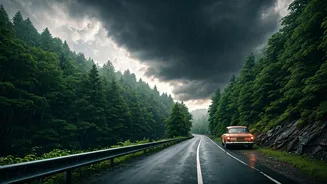
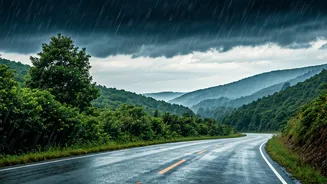
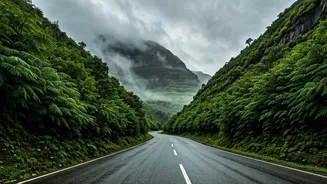
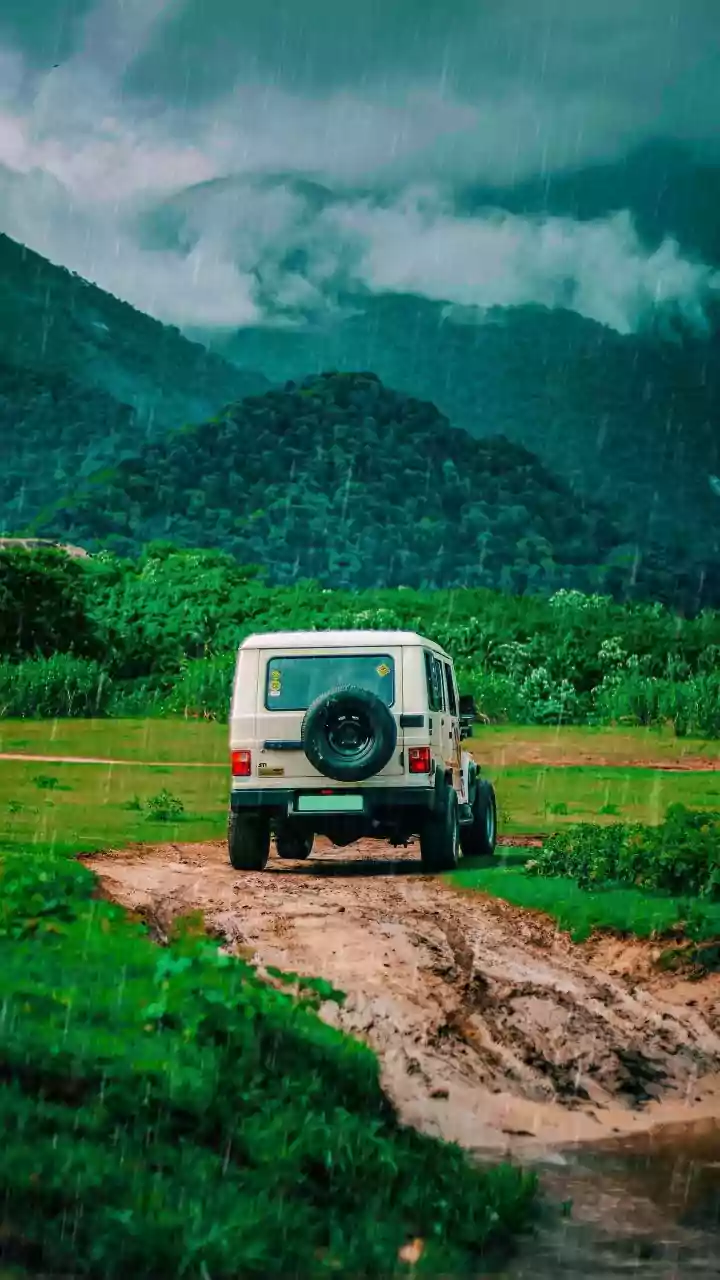
The roads that lead to these beautiful mountain retreats are called “ghats”—winding mountain passes that are engineering marvels but demand extreme caution during monsoons. Heavy rains can trigger landslides, cause flash floods that wash over low-lying bridges, and reduce visibility to near zero. Driving yourself, especially if you’re unfamiliar with these specific roads, is a significant risk. The smarter move is to hire an experienced local driver. They understand the terrain, know which routes are prone to blockage, and have the skill to navigate slippery, narrow roads. It costs more than a self-drive rental, but it’s an essential investment in your safety and peace of mind.
Rethink Your Waterfall Obsession
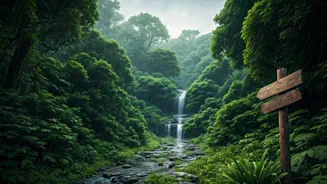
The allure of standing under a gushing waterfall is powerful, but it's also one of the biggest dangers of monsoon travel in Maharashtra. Every year, tragic accidents occur when tourists underestimate the force of the water or slip on slick rocks. The phenomenon of “reverse waterfalls,” where strong winds blow water upwards, can also be accompanied by treacherous gusts. Local authorities often restrict access to the most dangerous spots for good reason. A better approach is to admire these natural spectacles from a safe, designated viewpoint. The photo might not be the same, but you’ll be around to share it. If you must get wet, seek out smaller, gentler streams or resort properties with managed water features.
Embrace the Weekday Escape
If your heart is set on one of the more famous destinations, timing is everything. The overwhelming crowds are primarily a weekend phenomenon, as residents from nearby megacities like Mumbai and Pune flood the hills. A trip planned for a Tuesday or Wednesday will feel like visiting a different place entirely. You’ll find open roads, available hotel rooms at better prices, and the space to actually hear the sounds of nature instead of car horns. Shifting your travel days from the weekend to the work week is perhaps the single easiest and most effective way to improve your experience.
Check Local Advisories Religiously
The monsoon is a dynamic and unpredictable force. A road that was clear in the morning can be blocked by a landslide in the afternoon. The India Meteorological Department (IMD) issues color-coded alerts (red, orange, yellow) for heavy rainfall, which you should take seriously. Before setting out, and even during your trip, check local news outlets and the official social media accounts of the regional police. They provide real-time updates on road closures, weather warnings, and no-go zones. Don't rely on a forecast you checked a week ago; conditions change in a matter of hours. Being informed is not about paranoia—it's about making agile, intelligent decisions on the ground.
Pack for Utility, Not Just Style
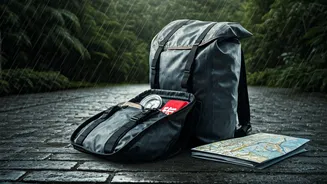
Packing for a monsoon trip goes beyond just throwing an umbrella in your bag. You will get wet, and things will get damp. Prioritize quick-drying synthetic fabrics over cotton, which stays wet forever. Invest in a truly waterproof jacket and proper footwear with excellent grip; sneakers and sandals are a recipe for disaster on slick stone paths. A waterproof dry bag is a lifesaver for your phone, camera, and wallet. Think less about the perfect outfit and more about staying comfortable, warm, and safe. After all, it's hard to enjoy a majestic view when you're shivering and your phone is waterlogged.