



More Than an Inconvenience
Most of us think of a pet food shortage as a personal failure of forgetting to go shopping. But severe wet weather—from a week of non-stop rain to more serious events like hurricanes or floods—introduces bigger, systemic risks. Supply chain disruptions
can leave local store shelves empty. Power outages can spoil refrigerated pet foods. And persistent dampness in your home can turn a perfectly good bag of kibble into a moldy, unsafe mess. This isn't about being a paranoid planner; it's about acknowledging that when the weather gets bad, the simple things get complicated. A little foresight ensures your pet’s needs are met without adding stress to an already challenging situation.
The Two-Week Rule of Thumb
Emergency preparedness experts, including FEMA, consistently recommend having enough supplies to last you and your family for at least 72 hours. For pets, however, most veterinary and animal welfare organizations suggest aiming higher. A two-week supply of food and water is the gold standard for a pet emergency kit. This buffer accounts for potential delays in restoring power, clearing roads, or restocking stores after a major weather event. To calculate this, figure out your pet’s daily intake and multiply by 14. Don't forget water; store at least one gallon of water per pet, per day. If you use this emergency stash, remember to replace it as soon as you can.
Master Your Storage Game
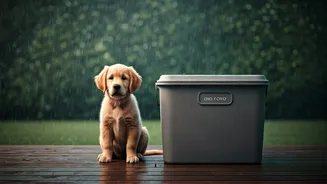
Humidity is the enemy of dry pet food. An open or improperly sealed bag of kibble in a damp garage, basement, or even a humid kitchen is a breeding ground for mold and attracts pests like rodents and insects. Once moisture gets in, the food can spoil quickly, potentially causing digestive upset or more severe illness if your pet eats it. The solution is simple: invest in an airtight storage container. Transfer the entire bag of food into the container as soon as you open it. This protects it from moisture, pests, and air, preserving its freshness and nutritional value. For canned food, the rules are simpler: store it in a cool, dry pantry and check expiration dates regularly. Rotate your stock, using the oldest cans first.
Dry Food vs. Wet Food Considerations
Both dry and wet foods have their place in a wet-weather plan. Dry kibble is cost-effective and easy to store in bulk, but it's highly susceptible to moisture damage if not stored correctly. Keep it elevated off the floor, especially in basements or garages prone to dampness or minor flooding. Canned wet food is a fantastic emergency option. It's perfectly sealed from the elements and has a long shelf life. More importantly, it provides extra hydration, which can be critical if access to fresh, clean water becomes limited. A mix of both is often the best strategy: rely on well-stored kibble for daily feeding and keep a stock of canned food for emergencies or as a backup.
Build a Full 'Go-Kit'
Food and water are the foundation, but a comprehensive plan covers more. Assemble a pet-specific “go-kit” that you can grab in a hurry. Store it in a waterproof container or bag near an exit. Your kit should include: * A two-week supply of food and water. * Any necessary medications, with instructions and your vet's contact information. * A copy of vaccination records. * A pet first-aid kit. * A familiar blanket or toy for comfort. * A sturdy leash, harness, and carrier. * Litter and a disposable pan for cats, or waste bags for dogs. Having this ready removes the frantic guesswork during a stressful event, ensuring you haven't forgotten anything critical for your pet's safety and well-being.