


What Makes Dudhsagar So Special?
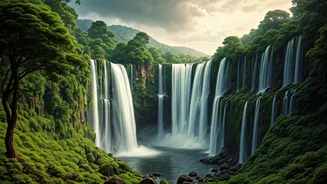
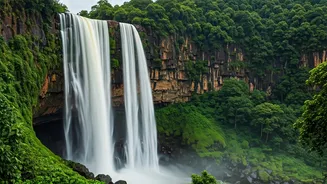
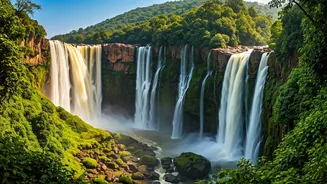
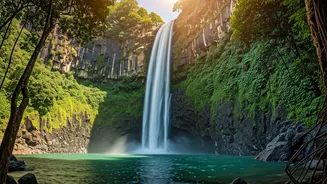
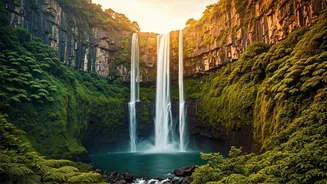
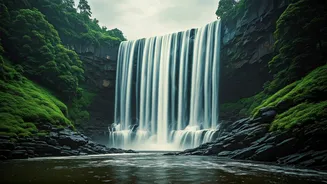
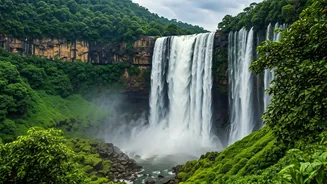
Located on the border of Goa and Karnataka in western India, Dudhsagar Falls is one of the country's tallest and most stunning natural wonders. Its name translates from the local Konkani language to "Sea of Milk," a perfect description for the massive
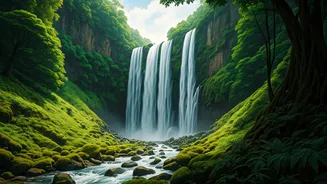
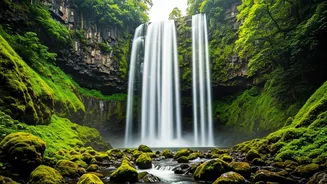
volume of white water that thunders down over 1,000 feet into a turquoise pool below. The falls are nestled deep within the Bhagwan Mahaveer Sanctuary and Mollem National Park, a protected swath of the Western Ghats mountain range. Unlike Niagara or Yosemite Falls, which are easily accessible, Dudhsagar retains a raw, untamed beauty. Its remote location isn't a drawback; it’s a core part of its allure, promising a genuine adventure away from the coastal crowds of Goa.
The Journey Is Part of the Adventure
You can’t just drive your rental car to a parking lot and stroll to a viewing platform. Reaching Dudhsagar is an expedition, and that's precisely why it's so memorable. The primary way for visitors to access the falls is via a registered 4x4 jeep safari from the village of Kulem. The journey itself is a thrilling, hour-long ride over rocky, unpaved roads and through several river crossings. You’ll be jostled and bounced around, but you’ll also be fully immersed in the lush, tropical forest of the national park. The anticipation builds with every bump and splash, making the final reveal of the falls that much more spectacular. For the truly adventurous, trekking options also exist, though they require a guide and a higher level of fitness.
That Iconic Train Through the Mist
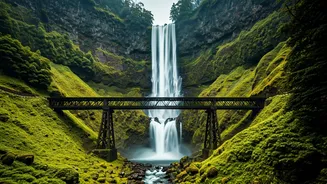
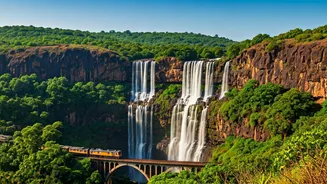
The most defining and frankly cinematic feature of Dudhsagar is the railway line that slices directly across the face of the waterfall. The Braganza Ghat railway line, an engineering marvel from the colonial era, connects Goa with Karnataka. Several times a day, passenger and freight trains rumble across the arched stone bridge, disappearing into the misty spray. For those on the ground, the sight of a train emerging from the white-out is a jaw-dropping photo opportunity. For passengers on the train, it’s a fleeting but unforgettable glimpse of one of nature’s most dramatic scenes. This unique intersection of human engineering and raw natural power elevates Dudhsagar from a beautiful waterfall into a truly iconic destination.
How to Plan Your Visit
The key to a successful Dudhsagar trip is timing and logistics. The falls are at their most magnificent during the monsoon season (June to September), but this is also when access is most restricted, and the jeep safaris are often suspended due to dangerous river levels. The best time to visit is during the post-monsoon period, from October to February. During these months, the water flow is still immense, the landscape is vibrantly green, and the jeep trails are open and safe. Jeep tickets are managed by a local association and can be booked on-site in Kulem, but arriving early is essential as it operates on a first-come, first-served basis, and spots fill up quickly, especially on weekends.
What to Expect at the Falls
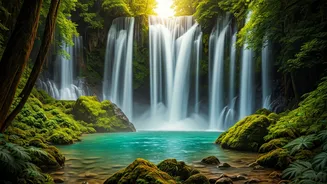
Once your jeep drops you off, it’s a short walk to the main viewing area and the base of the falls. Here, you'll find the large, cool pool perfect for a refreshing swim—a welcome reward after the bumpy journey. Life jackets are mandatory for swimming and are available for rent on-site. The force of the waterfall creates a constant, cool mist, and the roar is deafening up close. Be prepared to share the space not only with other visitors but also with the area's resident monkeys, who are known for being bold and opportunistic. Keep your bags closed and avoid feeding them. You are typically given about 90 minutes to swim and enjoy the scenery before your jeep makes the return trip.