


The Secret of the 'Green Season'
For many destinations, the rainy season means 'off-season,' and Kerala is no different. From roughly June to September, the southwestern monsoon rolls in, bringing heavy rains that transform the South Indian state into a vibrant emerald paradise. Historically,
this meant fewer tourists and, consequently, lower prices. Hotels and resorts, eager to fill rooms, often slash their rates by as much as 30-50% compared to the peak winter season. But what was once seen as a travel dead zone is now being rebranded by savvy travelers and locals as the 'green season'—a time for a unique, atmospheric, and deeply tranquil experience that you can’t get any other time of year.
What a Kerala Monsoon Is Really Like
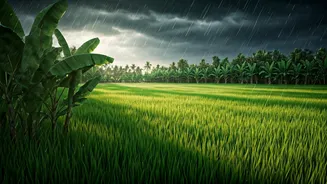
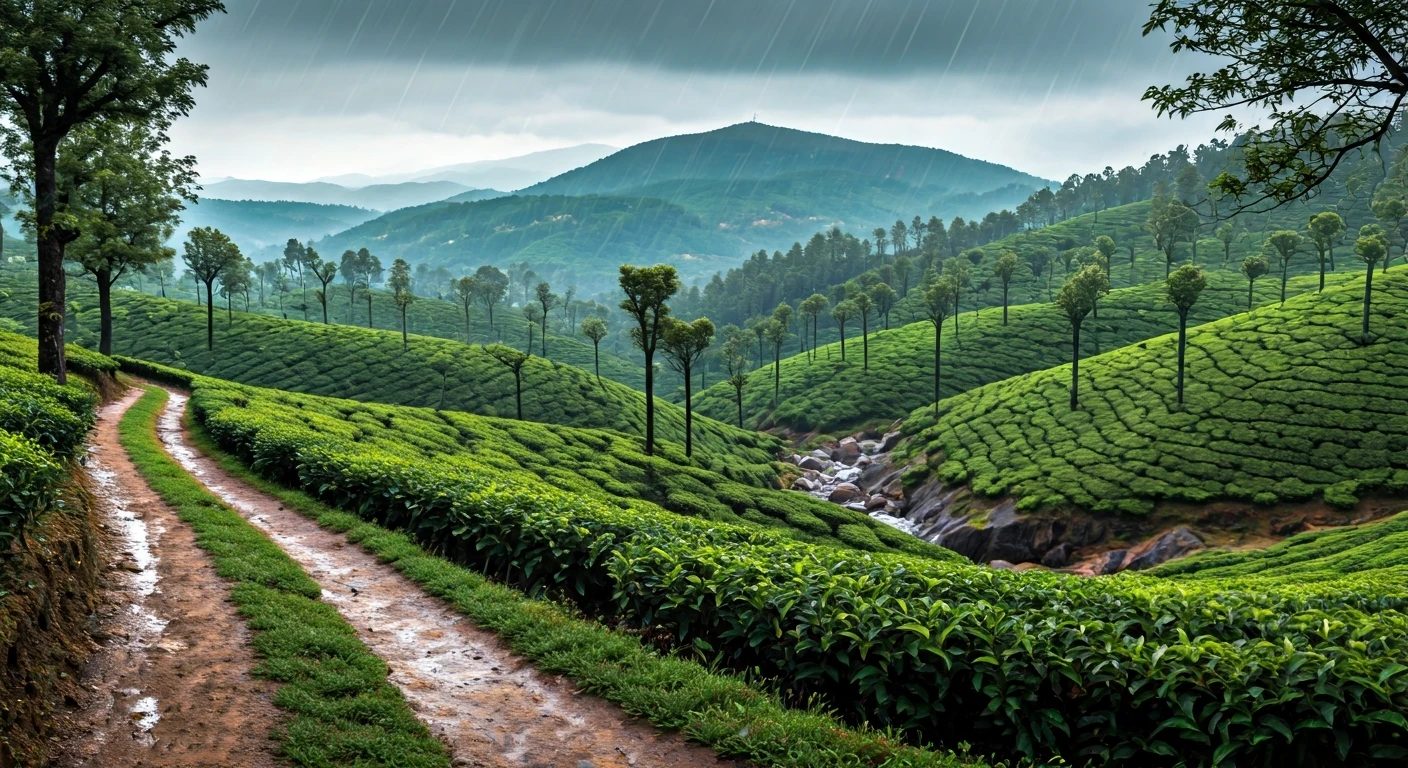
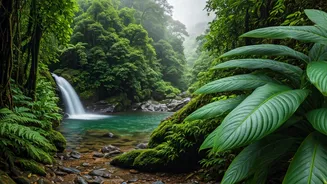
The word 'monsoon' might conjure images of relentless, vacation-ruining downpours, but the reality is often more nuanced. A typical monsoon day in Kerala doesn't usually involve 24/7 rain. Instead, you'll likely experience intense, dramatic showers for a few hours, which then give way to bright, sunny skies. The rain washes the dust from the air, making the greens of the tea plantations and palm groves pop with incredible intensity. The air is heavy, humid, and filled with the scent of wet earth and blooming flowers. It’s a sensory experience: the sound of rain on a tiled roof, the sight of misty hills, and the feeling of cool breezes. This isn't a trip for sunbathing on the beach, but for curling up with a book overlooking a rain-swept lagoon or watching clouds drift over the mountains.
The Ideal Time for Ayurvedic Wellness
One of the biggest draws of a monsoon trip to Kerala is the focus on wellness. According to the principles of Ayurveda, the ancient Indian system of medicine, the monsoon is the ideal time for rejuvenation treatments. The theory is that the cool, moist, dust-free atmosphere helps the body's pores to open, making it more receptive to herbal oils and therapies. Many of Kerala’s top resorts are renowned for their Ayurvedic centers, offering everything from relaxing massages (abhyanga) to comprehensive detoxification programs (panchakarma). During the monsoon, you can often book wellness packages at these high-end properties for a fraction of their peak-season cost, making it the perfect opportunity for a restorative health-focused getaway.
Weighing the Practical Trade-Offs
Of course, there are downsides to consider. Swimming in the ocean is generally off-limits due to rough seas and strong currents. Some more remote, rural roads can become difficult to navigate, and wildlife sightings in national parks may be less frequent. If your dream trip involves long, uninterrupted days of sunshine and outdoor adventure, this might not be the season for you. Flexibility is key; a planned trek might get rained out, but that could open the door to an impromptu cooking class or a visit to a local artisan’s workshop. The humidity is also intense, which can be uncomfortable for some visitors. It’s a trade-off: you sacrifice predictable weather for fewer crowds, lower prices, and a uniquely atmospheric experience.
How to Find the Best Monsoon Deals
To make the most of a monsoon trip, focus on the resorts themselves. Look for properties with fantastic amenities that don’t depend on the weather: a world-class spa, an infinity pool with a stunning view (even in the rain), acclaimed restaurants, or rooms with private balconies perfect for storm-watching. This is the time to affordably splurge on a luxury backwater resort or a boutique hotel nestled in a tea estate. Check hotel websites directly for 'monsoon packages,' which often bundle accommodation, meals, and sometimes even spa treatments. While the price drops are significant, remember to book flights and arrange any necessary visas well in advance to complete your surprisingly affordable dream trip.