
More Than Tikka Masala
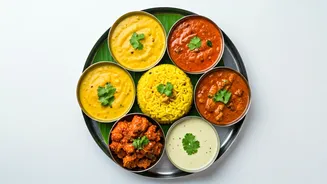
For decades, the story of Indian food in America was a simplified one. It was often filtered through a British lens, standardized for a Western palate, and condensed into a handful of familiar hits: chicken tikka masala, naan, saag paneer. While delicious,
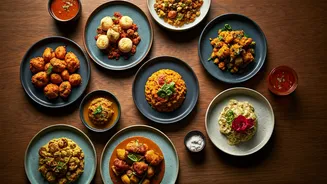
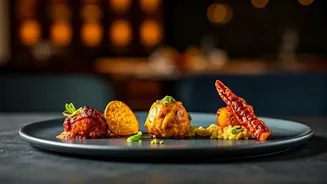
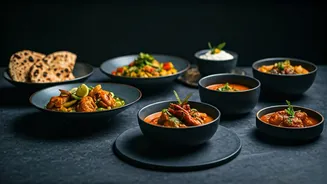
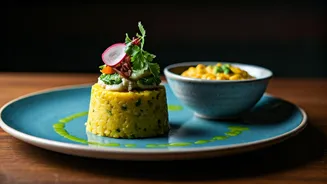
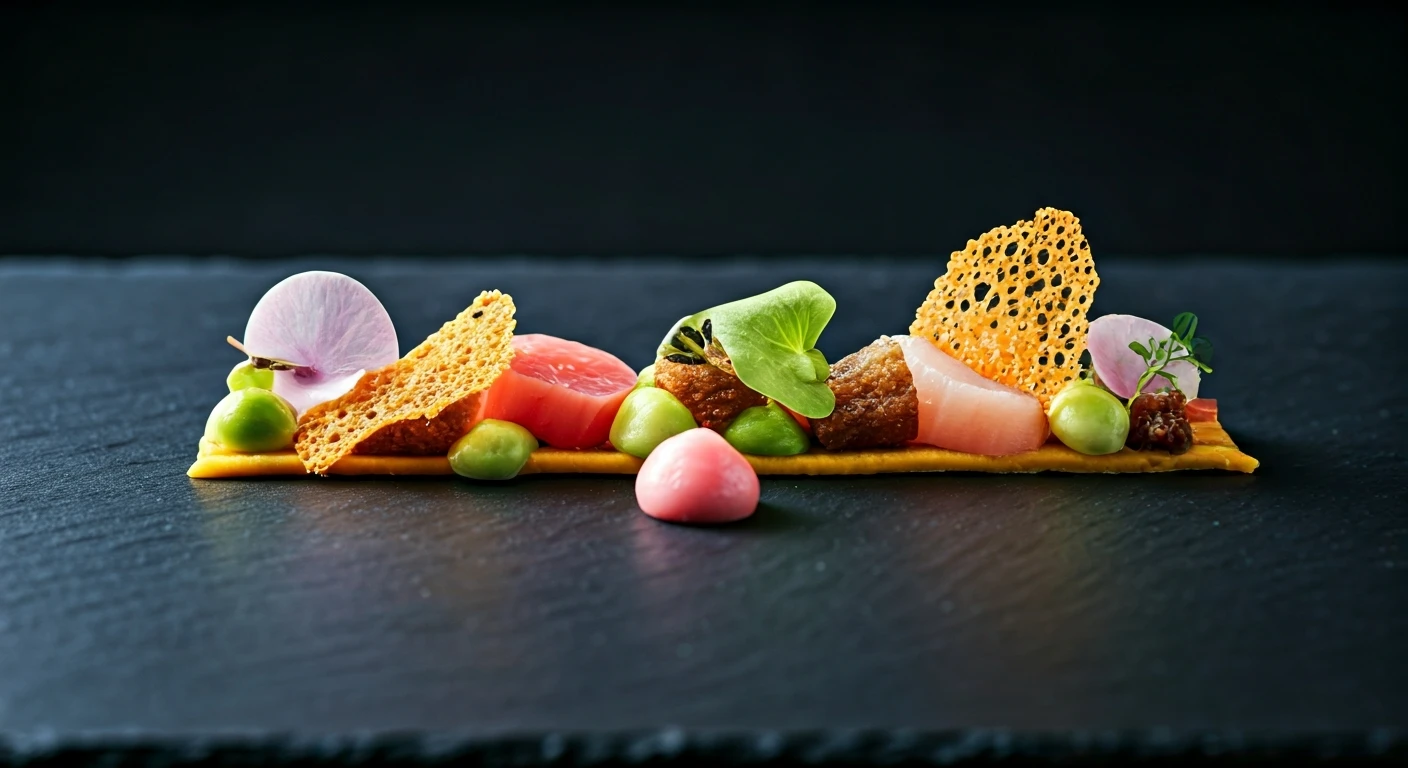
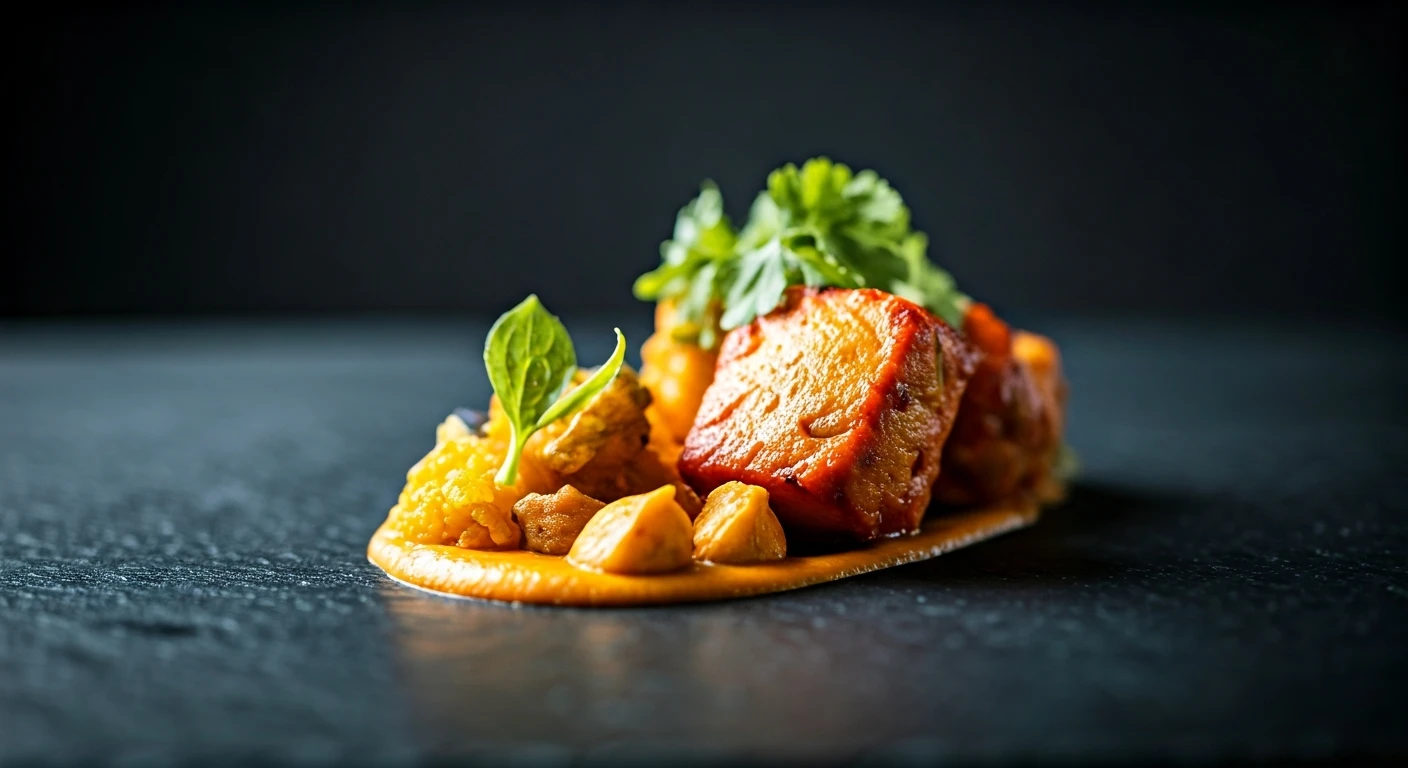
this menu represented a tiny fraction of the subcontinent's vast culinary diversity. The goal was often to be approachable, which sometimes meant sanding down the bold, pungent, and spicy edges that define so many regional Indian cuisines. That era is decisively over. A new generation of Desi chefs, entrepreneurs, and tastemakers—many of them second-generation immigrants—are refusing to translate. Instead, they are presenting their food on their own terms, using high-quality ingredients and fine-dining techniques not to westernize their dishes, but to amplify their essence. It’s a powerful declaration of cultural confidence that is reshaping what “premium” even means.
Food That Tells a Story
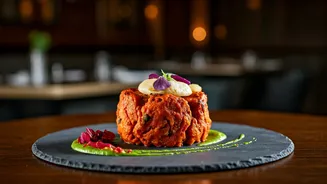
The first pillar of this new movement is emotion. Today’s most exciting Desi food isn’t just made with premium ingredients; it’s infused with memory and personal history. Chefs are digging into their family archives, unearthing forgotten regional specialties, and building entire menus around the dishes of their childhood. New York's Semma, the first Indian restaurant in the U.S. to receive two Michelin stars, focuses on the rural, southern Indian food that chef Vijay Kumar grew up with—dishes his own mother said would be “too spicy” and “too village” for a fine-dining crowd. He proved her wrong. This approach turns a meal into a narrative. Diners aren’t just eating food from a region; they're tasting a chef's specific, personal connection to it. Each dish comes with a backstory, connecting the person eating the food to the person who made it. This is food as memoir, a deeply emotional exchange that resonates far more than a generic description on a menu ever could.
An Immersive Main Course
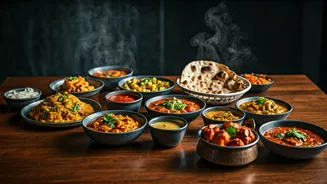
The experience extends far beyond the plate. The second pillar is a commitment to creating an immersive, multi-sensory environment. Restaurants like Dhamaka in New York City, from the celebrated Unapologetic Foods group, are designed to feel like a party. The music is loud, the energy is high, and the decor is vibrant, evoking the bustling markets and roadside eateries of India rather than the hushed, white-tablecloth temples of traditional fine dining. This isn’t just about aesthetics; it's a core part of the philosophy. The experience is designed to transport you, to surround you with the context from which the food originates. It’s a holistic approach where the sizzle of the kitchen, the curated Bollywood-funk playlist, and the communal buzz of the dining room are as essential as the spices in the curry. It makes dining out an event, a miniature vacation, and an active cultural participation rather than a passive meal.
From Our Pantry to Yours
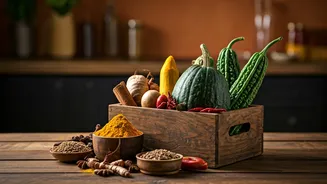
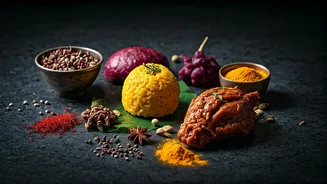
This transformation isn’t confined to restaurants. The third, and perhaps most democratizing, part of this trend is happening in the American pantry. A new class of premium Desi brands is giving home cooks access to the building blocks of authentic South Asian flavor. Companies like Diaspora Co. have revolutionized the spice trade, offering single-origin, equitably sourced spices that are worlds away from the dusty jars sitting on most supermarket shelves. Their Aranya Black Pepper or Hariyali Fennel have complex, potent flavors that can elevate a simple dish into something extraordinary. Similarly, brands like Brooklyn Delhi are creating high-end, small-batch condiments like tomato achaar and roasted garlic achaar that provide an instant hit of complex flavor. These products empower home cooks to experiment with Desi tastes, moving beyond pre-made simmer sauces and into a more creative and personal style of cooking. They are, in essence, selling not just a product, but a shortcut to a more flavorful and authentic kitchen.