

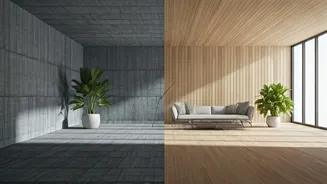


What Is the Monsoon Aesthetic?
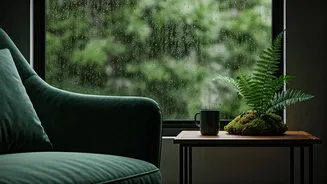
Less a strict set of design rules and more a multi-sensory vibe, the monsoon aesthetic is the interior design equivalent of a pluviophile—someone who loves rain. It captures the specific feeling of being tucked safely inside while a storm rages, watching
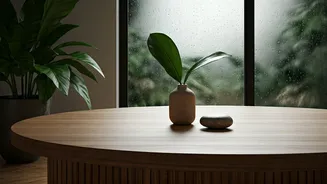
droplets trace paths down a window pane. The goal isn't to make a room dark or gloomy, but to create a space that feels enveloping, grounding, and serene. It swaps the minimalist's stark whites for deep, moody hues and the maximalist’s busy patterns for rich, natural textures. This trend is a reaction to our always-on, brightly lit world, offering a quiet retreat where you can recharge your batteries, listen to the pitter-patter of rain (real or recorded), and simply be.
Embrace a Moody, Earthy Palette
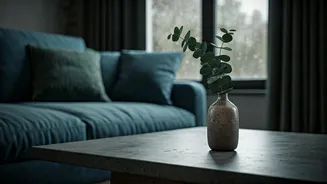
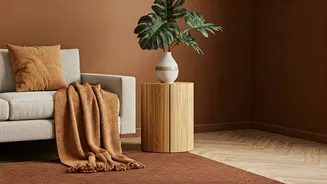
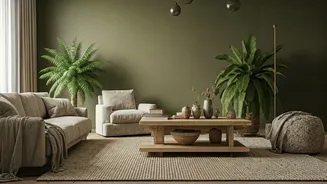
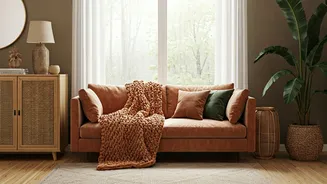
The foundation of this look is its color story. Think of a forest floor after a downpour. The palette is rich with saturated, low-light colors that absorb light rather than reflect it. Start with deep greens like moss, forest, and olive. Layer in shades of gray, from soft dove to deep charcoal, reminiscent of storm clouds. Blues are also essential, but lean toward slate, navy, and muted teal instead of bright sky tones. These dominant colors are balanced with earthy neutrals that add warmth and complexity—think of tones like terracotta, wet soil brown, and mushroom beige. The key is to create a cohesive, layered look that feels organic and sophisticated, not jarring. Use these colors on walls, for large furniture pieces, or in textiles like rugs and curtains.
Layer an Abundance of Natural Textures
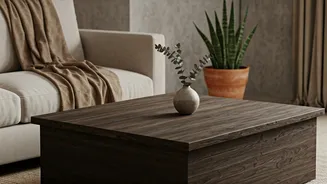
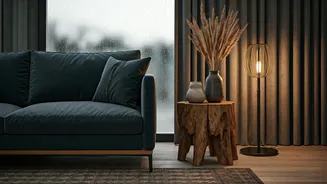
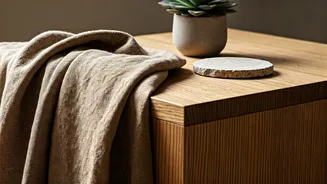
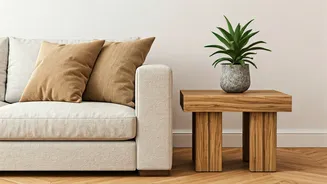
Texture is where the monsoon aesthetic truly comes to life, engaging the sense of touch. The goal is to create a feeling of indulgent comfort. Think chunky knit throws draped over a velvet sofa, soft linen curtains that diffuse light, and plush, high-pile rugs that sink under your feet. Materials should feel raw and authentic. Incorporate elements like dark-stained or reclaimed wood for furniture and flooring, which adds a sense of history and permanence. Accents of slate, soapstone, or unpolished marble can bring a cool, grounding element to coffee tables or countertops. Even ceramics play a role; opt for matte, slightly imperfect pottery over glossy, perfect pieces to enhance the handmade, earthy feel.
Master the Art of Ambient Lighting
Harsh overhead lighting is the enemy of the monsoon aesthetic. The lighting should mimic the soft, diffused glow of an overcast day. To achieve this, use multiple sources of light at different heights throughout the room. Install dimmers on all main light fixtures to give you complete control over the intensity. Instead of one central ceiling light, rely on table lamps with fabric shades, floor lamps that cast a warm upward glow, and strategically placed accent lights to highlight artwork or plants. Candles are non-negotiable. Group them in clusters of varying heights to create a flickering, dynamic focal point that instantly enhances the cozy atmosphere. The right lighting doesn't just illuminate a space; it creates a mood.
Bring the Outdoors In (Literally)
This aesthetic thrives on a deep connection to the natural world. Houseplants are a must, but choose them wisely. Opt for foliage that evokes a lush, damp forest. Ferns of all kinds—maidenhair, bird's nest, Boston—are perfect, as are mosses displayed in terrariums. Plants like the calathea, with its dramatic, dark leaves, or the peace lily also fit the theme well. Beyond living plants, incorporate natural elements directly into your decor. A beautiful piece of driftwood can become a sculptural object on a shelf, a collection of smooth river stones can fill a decorative bowl, and dried branches or seed pods can add texture to a vase. These touches serve as constant, quiet reminders of the world just outside the window.