

Dunkaroos: The Ultimate '90s Lunchbox Flex
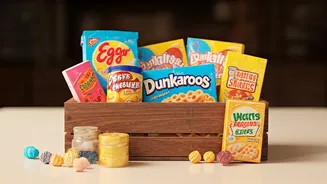
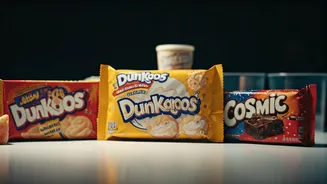
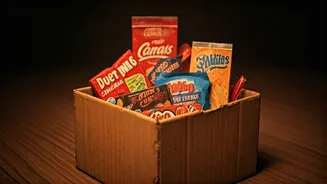
If you were a kid in the 1990s, the ultimate lunch table status symbol wasn't a toy; it was a pack of Dunkaroos. The simple-yet-perfect combination of vanilla cookies and rainbow-sprinkle frosting was a Betty Crocker masterpiece. After being discontinued
in U.S. in 2012, they became the stuff of legend—and expensive Canadian imports on eBay. For years, fan pages and online petitions begged for their return. General Mills was listening. They saw the thousands of tweets, memes, and Instagram posts. In 2020, the company officially brought them back, leaning heavily into the retro-mania with '90s-themed marketing and a direct-to-consumer online launch before they even hit store shelves. It was a masterclass in turning social media chatter into tangible sales.
Oreo Cakesters: The Softer Side of a Classic
Oreo cookies are timeless, but for a brief period in the mid-2000s, their softer, fluffier cousin reigned supreme. Oreo Cakesters—two soft chocolate cakes sandwiching that classic creme filling—were a dream for those who found the original cookie a bit too crunchy. When they vanished from shelves in 2012, fans were devastated. For nearly a decade, every official Oreo social media post was flooded with comments: "This is great, but bring back Cakesters." The brand played along, eventually creating a dedicated Twitter account to tease the comeback. In 2022, Nabisco finally relented, announcing the return with a campaign that directly acknowledged the years of online pleading. It showed that persistent digital demand isn't just noise; it's valuable market research.
Surge Soda: Fueling a Digital Insurgency
Before viral TikTok campaigns, there was the Surge Movement. This highly-caffeinated, neon-green citrus soda from Coca-Cola was a direct competitor to Pepsi's Mountain Dew in the late '90s. When it was phased out in the early 2000s, a dedicated online community refused to let it die. A group of superfans created "The Surge Movement," a grassroots campaign with a website, social media pages, and even a crowdfunded billboard near Coca-Cola's Atlanta headquarters. Their relentless, organized digital effort paid off. In 2014, Coke re-released Surge as an Amazon exclusive, one of the first times a major corporation used e-commerce to test the waters for a revived product. Its success paved the way for many of the comebacks we see today.
Crispy M&M's: A Comeback Demanded by Millions
Sometimes, the digital call is too loud to ignore. Crispy M&M's, a lighter, crunchier version of the classic candy with a rice-cereal center, were introduced in 1999 and discontinued in 2005. The public outcry was immediate and sustained. A "Bring Back Crispy M&M's" Facebook page amassed tens of thousands of followers. Countless online petitions circulated for years. Mars, the parent company, received calls and emails daily. The company finally confirmed the snack's return in 2014, explicitly citing the "unprecedented" and "passionate" feedback from consumers online. The brand didn't just bring the candy back; they celebrated the fans who made it happen, proving that a vocal digital fanbase is one of the most powerful marketing tools a brand can have.