







The 'Snacking' Mindset Explained
The big “trick” isn’t a single secret exercise; it’s the concept of ‘exercise snacking’ itself. Think of it like a nutritional snack. You don’t eat three giant meals a day with nothing in between. A handful of nuts or a piece of fruit can keep your energy
stable. Exercise snacking applies the same logic to movement. Instead of staying completely still for hours before a single, long workout, you pepper your day with short, two-minute bursts of activity. These aren't meant to leave you breathless or sweaty. The goal is simply to interrupt long periods of sitting, get your blood flowing, and wake up your muscles. This small but powerful habit counters the negative effects of a sedentary work life without requiring you to change into gym clothes or even leave your workspace.
Why Small Movements Matter
Our bodies aren’t designed to be folded into a chair for eight hours straight. Prolonged sitting has been linked to a host of issues, from back pain and poor posture to a slower metabolism. Health experts from the World Health Organization to the American Heart Association all emphasize the importance of moving more and sitting less. This is where exercise snacking shines. Breaking up your sitting time, even for just a couple of minutes every hour, can make a significant difference. These micro-breaks can help improve circulation, reduce muscle stiffness, boost focus and productivity, and even elevate your mood. You’re essentially reminding your body that it’s built to move. It’s not about burning a massive number of calories; it’s about resetting your system and avoiding the physical and mental slump that comes from being static.
Your 2-Minute Desk Snack Menu
Ready to try it? Here are four simple movement snacks you can do right at your desk. Pick one or two to start, and aim to do one every hour. Set a timer if you need a reminder.
**1. The Standing Desk Squat:** If you have a standing desk, this is perfect. If not, just stand up from your chair. Place your feet shoulder-width apart. Keeping your back straight and chest up, lower your hips as if you’re about to sit back in your chair. Go as low as is comfortable, then push through your heels to return to standing. Aim for 10-15 repetitions.
**2. The Wall Push-Up:** Find a sturdy, clear wall. Stand about two feet away and place your palms flat against it, slightly wider than your shoulders. Lean forward, bending your elbows to bring your chest closer to the wall. Keep your body in a straight line from your head to your heels. Push back to the starting position. Do 10-15 reps.
**3. The Seated Torso Twist:** Sit tall in your chair with your feet flat on the floor. Place your right hand on the outside of your left knee. Use your left hand to grip the side or back of your chair. Gently twist your upper body to the left, looking over your left shoulder. Hold for 20-30 seconds, breathing deeply. Slowly return to center and repeat on the other side.
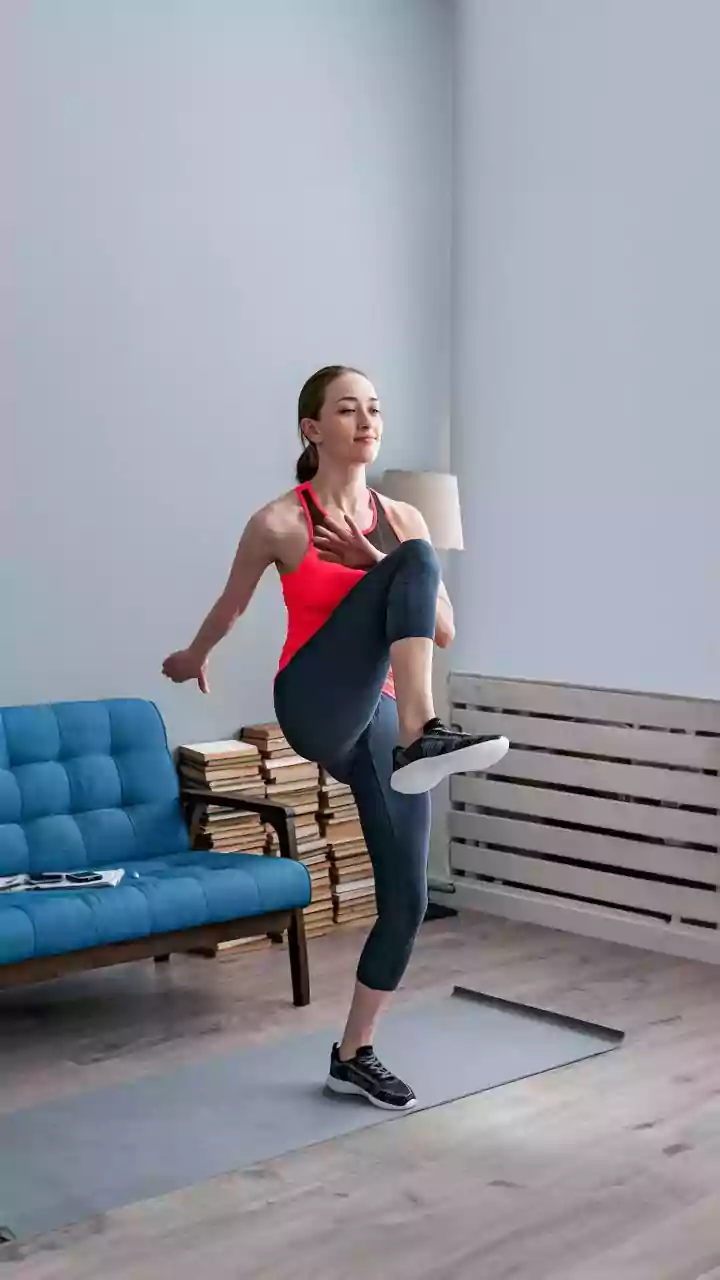
**4. The High-Knee March:** Stand up and march in place, bringing your knees up toward your chest as high as you comfortably can. For a little extra, you can pump your arms as if you’re jogging. Do this for 60 seconds to get your heart rate up slightly and engage your core and leg muscles.
Making It a Habit
Knowing the exercises is one thing; remembering to do them is another. The key is to make it effortless. Try ‘habit stacking’ by linking your movement snack to an existing routine. For example, decide to do a set of wall push-ups every time you refill your water bottle. Or, do a minute of high-knee marches right after you hang up from a long phone call. Another effective method is using a simple timer. Set a recurring alarm on your phone or computer for once an hour. When it goes off, stand up and perform your chosen exercise. Don't overthink it or aim for perfection. The goal is consistency, not intensity. Even one or two movement snacks a day is a victory over a completely sedentary afternoon.