


A Journey to the Rooftop of the World
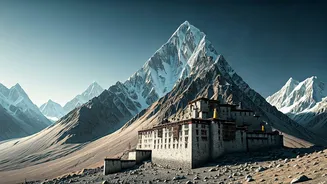
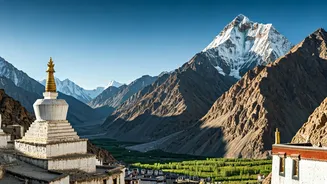
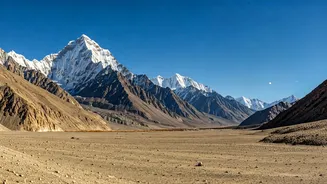
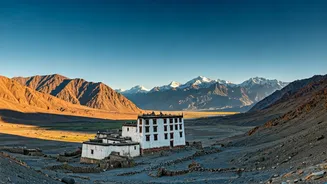
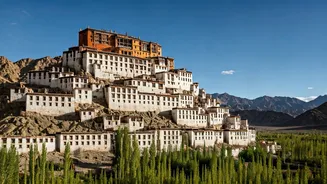
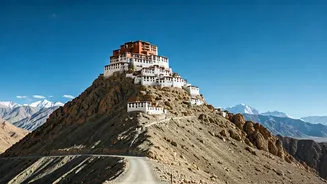
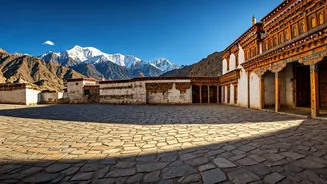
Before you even witness a single dance, the setting of the Hemis Festival begins its transformative work. Located near Leh in Ladakh, a high-altitude desert often called “Little Tibet,” Hemis Monastery is cradled by barren, rust-colored mountains under
an impossibly vast blue sky. Just getting here is an undertaking. The thin air forces you to slow down, to breathe more deliberately. This physical adjustment is also a mental one. In a world that prizes speed and efficiency, Ladakh demands patience and presence. For the modern traveler accustomed to constant stimulation, this forced deceleration is the first step in shedding the noise of everyday life and becoming open to the experience ahead.
The Spectacle of Sound and Fury
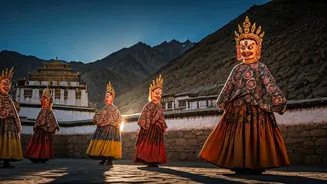
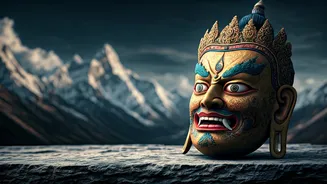
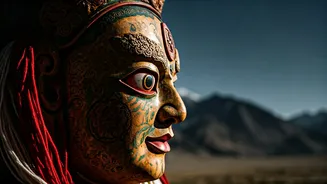
The heart of the festival is the *chham*, a series of sacred masked dances performed by monks in the monastery's courtyard. This is no mere performance; it’s a living, breathing meditation. Monks emerge in elaborate, brilliantly colored silk costumes and fearsome or serene masks, embodying various deities and demons. To the thunderous beat of drums, the clash of cymbals, and the haunting drone of long Tibetan horns, they whirl and leap in a ritualistic reenactment of the triumph of good over evil. The sheer sensory force of the event—the vibrant colors against the muted landscape, the cacophony of ancient instruments, the disciplined energy of the dancers—is overwhelming in the best possible way. It’s a spectacle that bypasses the intellect and speaks directly to the soul.
Witnessing Unbroken Tradition
In our culture of fleeting trends and digital ephemera, there is a profound power in witnessing something truly timeless. The Hemis Festival celebrates the birth of Guru Padmasambhava, the 8th-century sage credited with bringing Tantric Buddhism to the Himalayas. The rituals performed today have been passed down through centuries, remaining largely unchanged. For a traveler to sit among Ladakhi families—who have gathered here for generations—and watch a ceremony that connects them to their deepest spiritual beliefs is to touch a current of history that runs far deeper than any one lifetime. It’s a powerful reminder that some things endure, offering a sense of stability and meaning that is often missing from our fragmented, fast-paced world.
Authenticity, Not Entertainment
Perhaps the single most moving aspect of the Hemis Festival is its raw authenticity. While it attracts travelers from across the globe, it is fundamentally not for them. It is a deeply religious event for the local community. The monks are not actors; they are practitioners engaged in a sacred duty. The audience is primarily composed of devotees, from elderly women spinning prayer wheels to young children watching in awe. This complete lack of commercial pretense is what leaves so many visitors feeling like they have been granted a rare privilege: to be a respectful observer of someone else's genuine faith. You are not a consumer of a cultural product; you are a witness to a living spiritual tradition. That distinction makes all the difference, creating a sense of connection and respect that is both humbling and deeply moving.