
The Old Guard Gets a Glow-Up
For decades, the appeal of a nature lodge was its very roughness—the sense that you were truly escaping modern comforts. The decor, if you could call it that, often consisted of whatever was durable and vaguely woodsy. Antlers, heavy timbers, and flannel
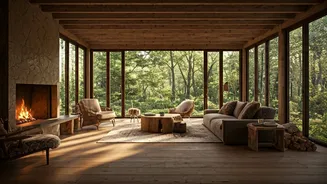
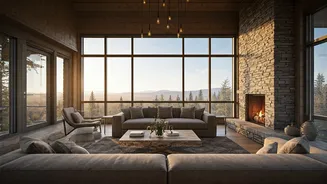
were the primary design elements. While charming in a nostalgic way, this aesthetic often meant sacrificing genuine comfort for the sake of authenticity. The new trend doesn't reject nature; it reframes our relationship to it. It posits that a connection with the wild can be deepened, not diluted, by thoughtful design, luxurious materials, and the kind of amenities you’d expect from a boutique city hotel. It’s a shift driven by travelers who want experience and adventure, but aren't willing to give up a well-made cocktail or a high-thread-count sheet to get it.
The Architectural Statement Piece
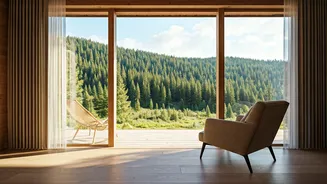
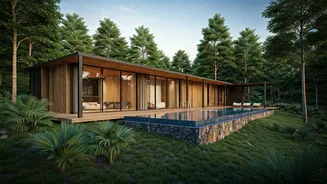
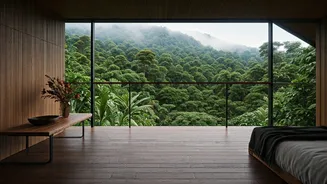
Perhaps the most dramatic expression of this trend is the rise of lodges that are, themselves, works of art. Instead of a log cabin trying to blend in, these are bold architectural statements designed to frame the landscape. Think clean lines, vast panes of glass, and minimalist interiors that draw the eye outward. Properties like Amangiri in Utah, with its stark, beautiful concrete forms set against desert mesas, pioneered this concept. The buildings don't just sit in the environment; they interact with it, creating a dialogue between the man-made and the natural. Staying here isn't about pretending to be a 19th-century frontiersman. It's a thoroughly modern experience, where the luxury of the design serves to heighten the awesome power of the surrounding wilderness.
The Five-Star Ranch
Nowhere is the evolution more apparent than at the modern luxury ranch. The American West’s dude ranches have always offered an immersive experience, but today’s top-tier properties are less 'City Slickers' and more 'Architectural Digest.' Places like The Ranch at Rock Creek in Montana or Brush Creek Ranch in Wyoming offer activities like horseback riding and fly-fishing alongside world-class spas, multi-course tasting menus, and private cabins curated with custom-built furniture and local art. The aesthetic is often 'rustic-luxe,' a sophisticated blend of reclaimed wood and weathered leather with plush textiles, heated bathroom floors, and impeccable interior styling. It’s the fantasy of the Wild West, meticulously edited for a discerning 21st-century clientele.
Glamping, But Make It Fashion
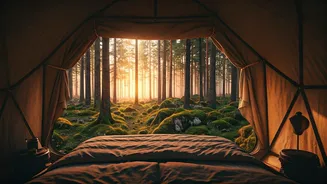
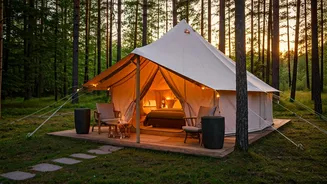
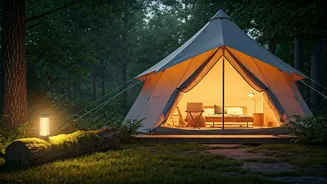
This movement isn't just happening in permanent structures. The 'glamping' (glamorous camping) phenomenon is a key part of the story. Companies like Under Canvas and AutoCamp have perfected the art of the stylish, semi-permanent outpost. Under Canvas places safari-style tents—complete with king-size beds, wood-burning stoves, and private bathrooms—near national parks like Zion and Yellowstone. AutoCamp does something similar with its fleet of custom-designed, Instagram-perfect Airstream trailers and modern cabins. In both cases, the appeal is direct access to nature without the hassle or discomfort of traditional camping. You can spend the day hiking and the evening sipping wine by a fire pit, before retiring to a space that feels more like a chic hotel room than a tent.
The Scandi-Cabin Invasion
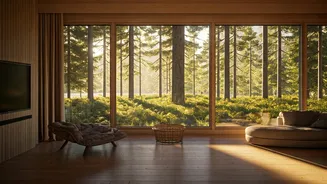
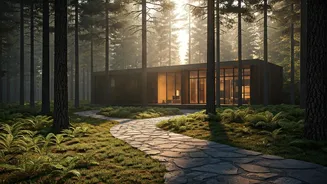
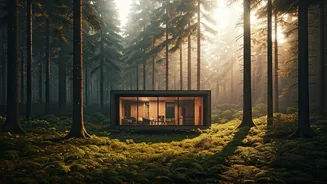
Another powerful influence is the Scandinavian design ethos of simplicity, minimalism, and connection to nature. This has given rise to the 'Scandi-cabin,' a far cry from the dark, heavy log lodges of old. These structures, often prefabricated and sustainably built, emphasize natural light, pale woods, and a clean, uncluttered aesthetic known as *hygge*. They are designed to feel cozy, calming, and deeply integrated with their forest or lakeside settings. Companies like Getaway offer networks of these minimalist tiny cabins just outside major U.S. cities, providing a simple, design-forward escape hatch for burnt-out urbanites. The luxury here isn’t opulence; it’s the intentional simplicity and the peaceful feeling of a perfectly designed small space.