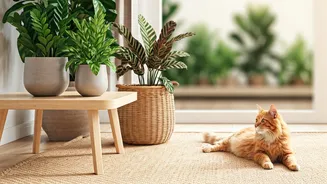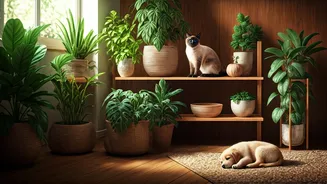





Understanding Biophilic Design's Appeal
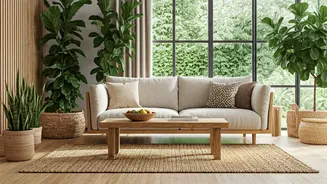
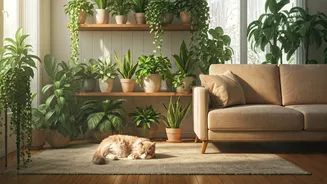
At its heart, biophilic design is about reconnecting with nature from within our own walls. It’s more than just plopping a ficus in the corner; it’s a philosophy that uses natural light, organic materials, and, most visibly, an abundance of plant life
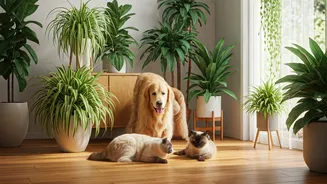
to create spaces that reduce stress and improve our sense of well-being. From trailing pothos cascading down a bookshelf to a statement fiddle-leaf fig tree, plants are the stars of this aesthetic. They purify the air, add vibrant color, and make a home feel alive. But as we curate our personal greenhouses, it’s crucial to remember the other living beings who share our space: our pets.
The Hidden Danger in the Foliage
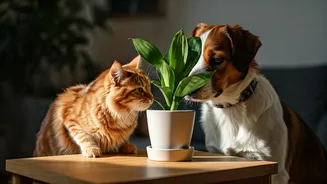
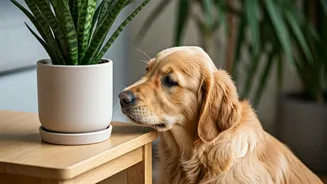
For curious cats who love to nibble and playful dogs who might chew on a tempting leaf, many of the most popular houseplants pose a serious threat. The American Society for the Prevention of Cruelty to Animals (ASPCA) maintains an extensive database of plants that are toxic to cats and dogs, and the list includes many trendy favorites. Ingestion can lead to a range of symptoms, from mild mouth irritation and stomach upset to severe outcomes like kidney failure or even death. Recognizing which plants are problematic is the first step to creating a home that’s both beautiful and safe for your four-legged family members.
Popular But Problematic Houseplants
Before you head to the nursery, be aware of these common but toxic beauties. Lilies (all parts of the plant) are extremely poisonous to cats, with ingestion of even a small amount of pollen potentially causing fatal kidney failure. The Sago Palm, a popular and dramatic-looking plant, is highly toxic to both cats and dogs, leading to severe liver damage. Other mainstays like the Snake Plant (Sansevieria), ZZ Plant (Zamioculcas zamiifolia), and all varieties of Pothos and Philodendron contain calcium oxalate crystals, which cause painful irritation, swelling of the mouth, drooling, and vomiting if chewed or ingested. Even the beloved Aloe Vera plant can cause digestive upset if eaten by pets.
Safe, Stylish, and Pet-Friendly Swaps
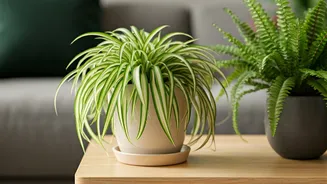
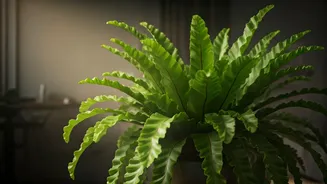
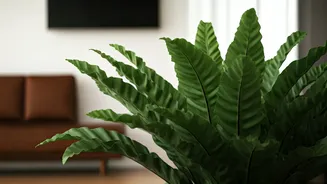
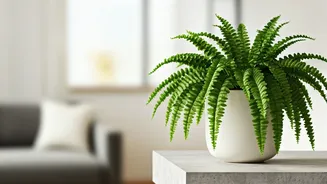
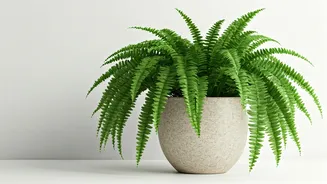
The good news is that you don't have to sacrifice style for safety. There is a fantastic selection of non-toxic plants that bring all the biophilic vibes without the worry. The Spider Plant is a classic for a reason; it’s easy to care for, a great air purifier, and completely safe for pets. For a lush, tropical feel, consider a Parlor Palm or a Boston Fern. If you love interesting foliage, the entire Calathea family (including the Rattlesnake Plant and Prayer Plant) offers stunning patterns and is pet-friendly. Other excellent choices include the Money Tree (Pachira aquatica), the Polka Dot Plant (for a pop of color), and any true succulent from the Haworthia or Echeveria families.
Beyond the Pot: Strategic Placement
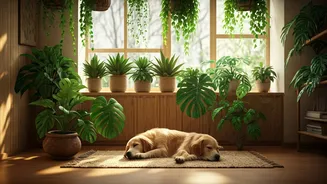
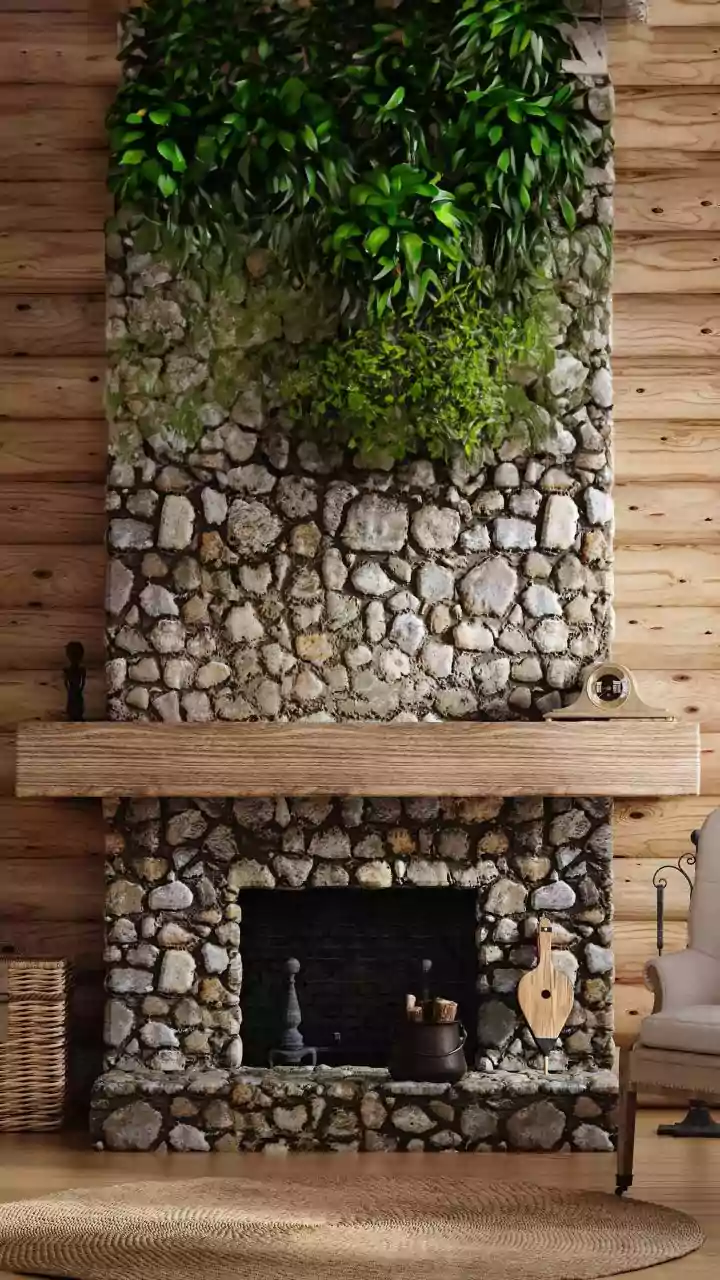
A pet-safe strategy isn't just about what you buy; it’s also about where you put it. If you’re absolutely in love with a plant that’s mildly toxic, you might still be able to enjoy it by making it inaccessible. Use hanging planters to keep trailing plants like Pothos well out of a cat’s reach. Place smaller pots on high shelves, mantels, or inside glass terrariums that a curious nose can’t get into. You can also designate a specific room as your “plant sanctuary” and keep it off-limits to your pets. This combination of careful selection and smart placement allows for a layered, interesting design that protects every member of your household.