






The Rise of the Design-Led Detour
For years, travel has been splintering into ever-more-specific interests. We’ve seen the explosion of culinary tourism, wellness retreats, and eco-adventures. The latest to enter the mainstream is architectural travel. This isn’t just about snapping a photo
of the Colosseum or the Empire State Building. It’s about engaging with a city’s story, ambitions, and identity through its built environment. It’s for people who believe buildings aren’t just functional shelters but cultural artifacts, works of art, and political statements all rolled into one. This type of travel trades passive sightseeing for active learning, asking you to look up, look around, and understand why a place looks and feels the way it does. The souvenir you bring home isn’t a keychain; it’s a new way of seeing the world.
London Takes Center Stage in June
Nowhere is this trend more visible than in London every June. The London Festival of Architecture (LFA) has quietly grown into one of the world's most significant public celebrations of design. For the entire month, the city transforms into a sprawling, open-air campus dedicated to buildings and urbanism. With a program featuring hundreds of events—many of them completely free—it’s a city-wide invitation to explore London’s architectural soul. Each year, the festival adopts a new theme, such as 'In Common' or 'Act,' prompting architects, designers, and the public to consider how buildings shape our collective lives. It’s a democratic, decentralized affair, with events popping up in all 32 boroughs, from the historic heart of the city to its rapidly changing suburbs.
What Does an Architecture Festival Feel Like?
Forget stuffy lectures in dim auditoriums. The LFA is about experience. One day you might join a guided walking tour of a brutalist housing estate, led by a resident who can explain its utopian origins and modern-day challenges. The next, you could be exploring a brand-new, sustainably designed office tower, hearing directly from the architects who conceived it. Public spaces are dotted with temporary pavilions and installations designed by emerging talent, turning familiar parks and squares into interactive art exhibits. There are open-house events where you can peek inside private homes, famous offices like Google and Foster + Partners, and historic buildings normally closed to the public. It’s a dynamic, choose-your-own-adventure experience that turns the entire city into a living museum.
A City of Contrasts as the Perfect Host
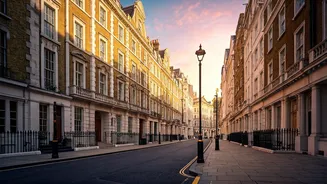
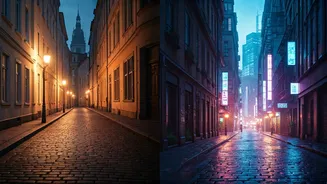
London is the ideal backdrop for such a festival precisely because its architectural identity is so gloriously messy and complex. It's a city where a thousand-year-old fortress, the Tower of London, stands in the shadow of Renzo Piano's hyper-modern glass shard. You can wander from the classical elegance of Sir Christopher Wren’s St. Paul’s Cathedral to the futuristic, inside-out design of the Lloyd's building in just a few blocks. This constant conversation between old and new, preserved and pioneering, provides a rich text for visitors to read. The LFA doesn’t just celebrate the famous landmarks; it encourages participants to find beauty and meaning in the everyday—the terraced houses, the public parks, and the infrastructure that holds the metropolis together. It’s a masterclass in urban appreciation.