




The Stage: A Historic Hilltop
Each year, typically in early June, the heart of Shimla beats to the rhythm of the Shimla Summer Festival. The main stage isn't some sterile convention center, but The Ridge—a sprawling open-air platform at the city's highest point. Flanked by the iconic
Christ Church on one side and panoramic views of snow-dusted Himalayan peaks on the other, the setting alone is worth the trip. For centuries, this has been Shimla's social and cultural hub. During the festival, this colonial-era promenade transforms into a vibrant carnival, buzzing with an energy that draws locals and travelers alike into its festive embrace. It’s not just a venue; it's a participant in the celebration, its history lending a sense of timelessness to the modern festivities.
A Symphony of Sound and Movement
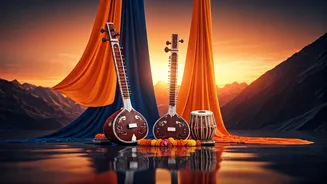
At its core, the Shimla Summer Festival is a showcase of performance. The nights come alive with a carefully curated mix of sounds that bridge the gap between tradition and modernity. One evening might feature hypnotic Himachali folk dances, with performers in brightly colored, hand-woven attire moving to the earthy beats of traditional instruments like the dhol and nagara. These performances, known as 'Nati,' tell stories of mountain life, love, and harvest. The next night, the same stage might host a nationally recognized Bollywood singer or a popular rock band, sending waves of contemporary energy through the cool mountain air. This blend is what makes the festival so unique—it’s a proud display of local heritage that also keeps a finger on the pulse of modern Indian pop culture.
Flavors of the Hills
No cultural experience in India is complete without an exploration of its food, and the festival delivers in abundance. Temporary food stalls pop up along The Ridge and the adjacent Mall Road, offering a tour of Himachali cuisine. This is your chance to try 'Siddu,' a soft, steamed bread stuffed with savory fillings, often served with a generous dollop of ghee (clarified butter). You might also find vendors selling 'Dham,' a traditional multi-course vegetarian meal typically served on leaf plates. Beyond the local specialties, you'll find familiar favorites of Indian street food, from spicy chaat to sweet jalebis, all served up with a side of stunning mountain scenery. It's a culinary adventure that engages all the senses.
Craftsmanship and Community
The festival is also a marketplace, but one that feels more like a living museum of local artistry. Artisans from across Himachal Pradesh and neighboring states set up shop, offering a glimpse into the region's rich craft traditions. This is where you can find intricately patterned Kullu shawls, hand-carved wooden souvenirs, and delicate silver jewelry. It’s an opportunity to buy directly from the makers and hear the stories behind their work. But beyond the commerce, the festival is a massive community gathering. Families come out for an evening stroll, children participate in painting competitions, and a famous dog show even brings the town’s four-legged residents into the fold. This communal spirit is what truly defines the event, making it feel less like a tourist attraction and more like being welcomed into a city-wide family celebration.