



More Than Just Free Samples
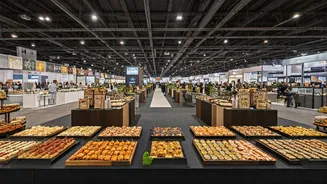
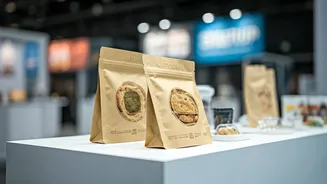
For the average attendee, a food expo like the Specialty Food Association’s Fancy Food Show or the Natural Products Expo West is a paradise of discovery. It’s a chance to taste the next big thing before it hits shelves. But for the hundreds of startups
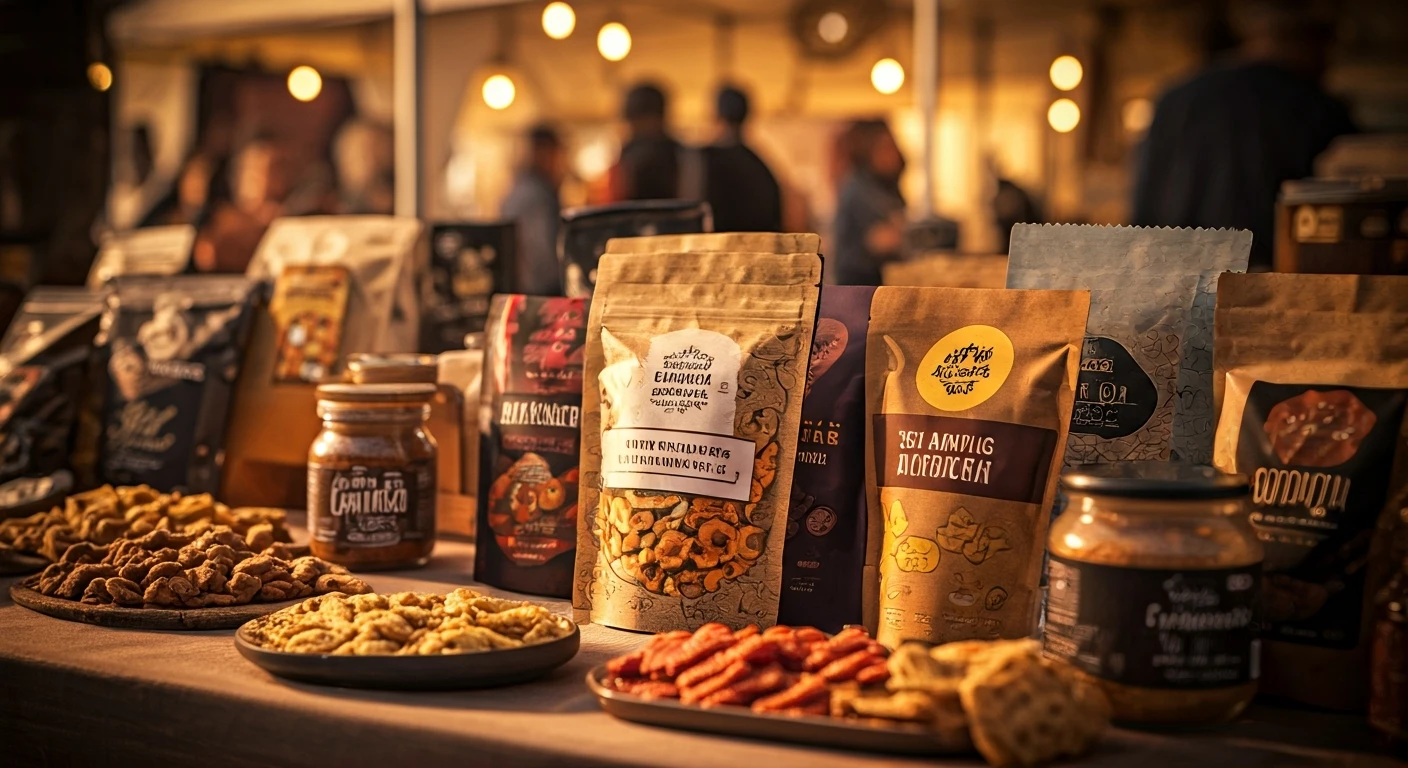
lining the aisles, the event is anything but a party. It’s the ultimate focus group—a live, unfiltered, and often brutal test of their product’s viability. These entrepreneurs have poured their life savings and countless sleepless nights into a dream you can hold in a tiny paper cup. They aren't just handing out samples; they’re collecting invaluable data. Every raised eyebrow, every enthusiastic nod, every person who circles back for a second taste is a data point that can either validate their business model or send them back to the drawing board.
The Real-Time R&D Floor
Before an expo, a startup’s market research often consists of friends, family, and local farmers' markets. The feedback is friendly but biased. The expo floor is the first time their product faces the court of public opinion on a massive scale, where polite lies are replaced by immediate, visceral reactions. A founder isn't just listening for “Mmm, that’s good.” They’re watching for what isn’t said. Did the taster finish the whole sample, or did they subtly look for the nearest trash can? Did their eyes light up with genuine surprise, or did they offer a vague, noncommittal compliment? Startup teams watch for these cues with the intensity of poker players reading a tell. They ask probing questions: “What does this remind you of?” or “What would you expect to pay for this?” This real-time feedback is more valuable than any formal survey, helping founders refine everything from flavor profiles and texture to packaging and brand messaging on the fly.
Courting the Industry Gatekeepers
While public opinion is crucial, there’s another, even more important audience stalking the aisles: the buyers. These are the representatives from national grocery chains like Whole Foods and Kroger, regional distributors, and boutique retailers. They walk the floor with a trained palate and a sharp eye for what will sell. For a startup, a five-minute conversation with a key buyer can be more transformative than a thousand positive reviews from attendees. A single order from a regional distributor can take a brand from a local curiosity to a multi-state player. Getting a product into a major retailer is the holy grail. Founders nervously scan the name badges of everyone who approaches their booth, hoping to see that magic word: “Buyer.” A thumbs-up from one of these gatekeepers is a signal to the entire industry—and to potential investors—that a product has a real shot at the big time.
Where Trends Are Born
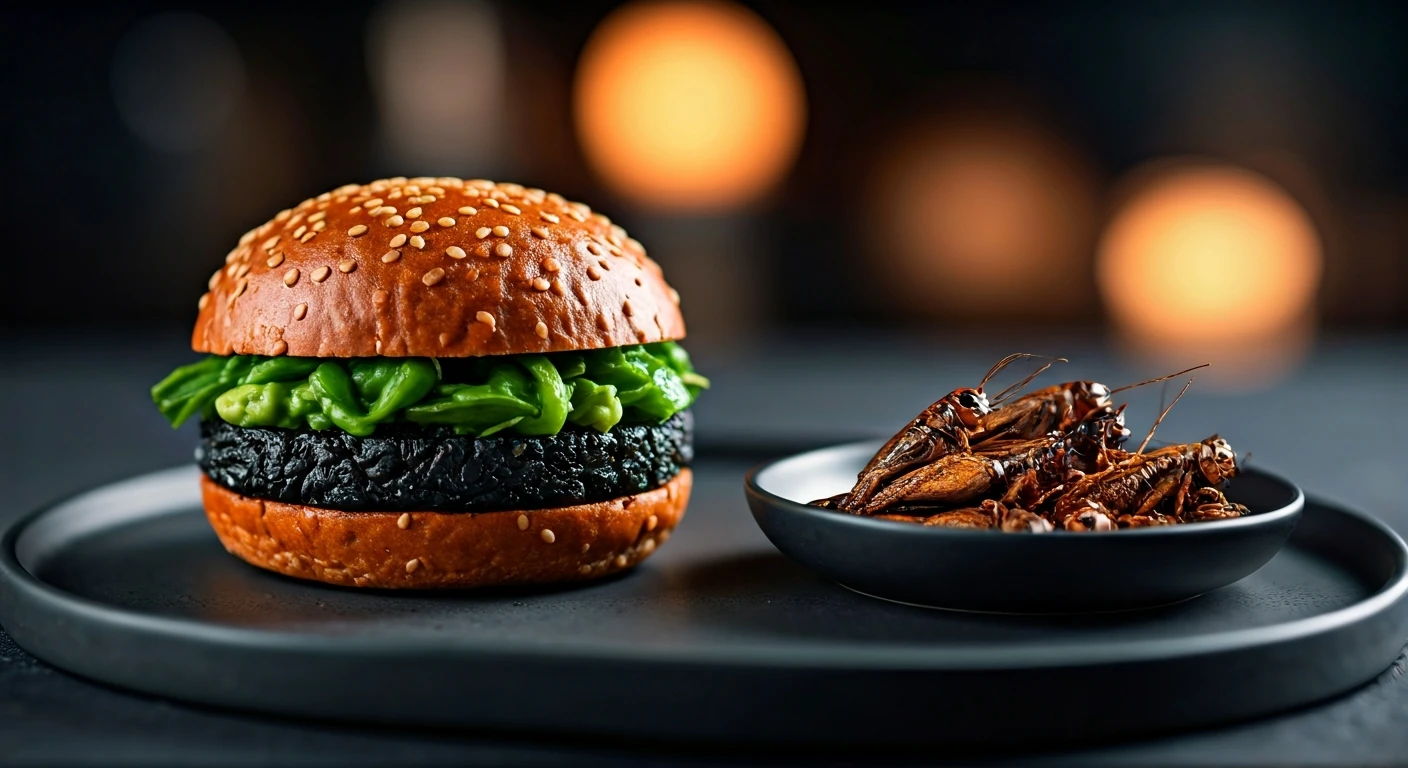
These expos are also ground zero for the food trends that will dominate supermarket shelves in the coming years. Long before oat milk was a standard coffee shop offering or plant-based burgers were in every freezer aisle, they were niche products being sampled in crowded convention centers. Buyers and food journalists attend these events specifically to spot the next wave. By walking the floor, one can trace the evolution of the American appetite. One year, it might be all about fermented foods and gut health. The next, a dozen brands are suddenly showcasing non-alcoholic spirits or snacks infused with adaptogens. For startups, correctly tapping into—or better yet, creating—one of these trends can mean the difference between explosive growth and fading into obscurity. The expo is where they prove their trend-spotting instincts are as sharp as their recipes.