





The Summer Meltdown
For decades, the American travel dream was simple: escape to the sun. We flocked to Mediterranean coastlines, Caribbean islands, and the desert landscapes of the Southwest, chasing a vision of idyllic heat. But in recent years, that dream has started
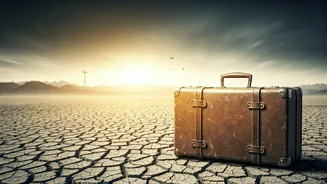
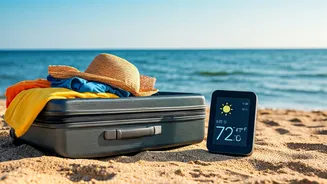
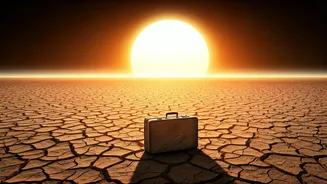
to feel more like a fever. Record-shattering summer temperatures in places like Greece, Italy, and Spain haven't just made sightseeing uncomfortable; they've made it dangerous. Wildfires have forced evacuations, and ancient sites like the Acropolis have had to close during peak heat, leaving tourists who paid thousands of dollars staring at their hotel room walls. The phenomenon isn't limited to Europe. National parks in the U.S., from Zion to Death Valley, are grappling with extreme heat that makes hiking hazardous. This new reality has forced a collective reckoning among travelers. The question is no longer just 'Where do I want to go?' but 'Will I be able to leave my air-conditioned room if I do?' The idyllic image of sipping wine on a Roman terrace loses its appeal when the temperature is a sweltering 105°F.
The Rise of the 'Cool-Cation'
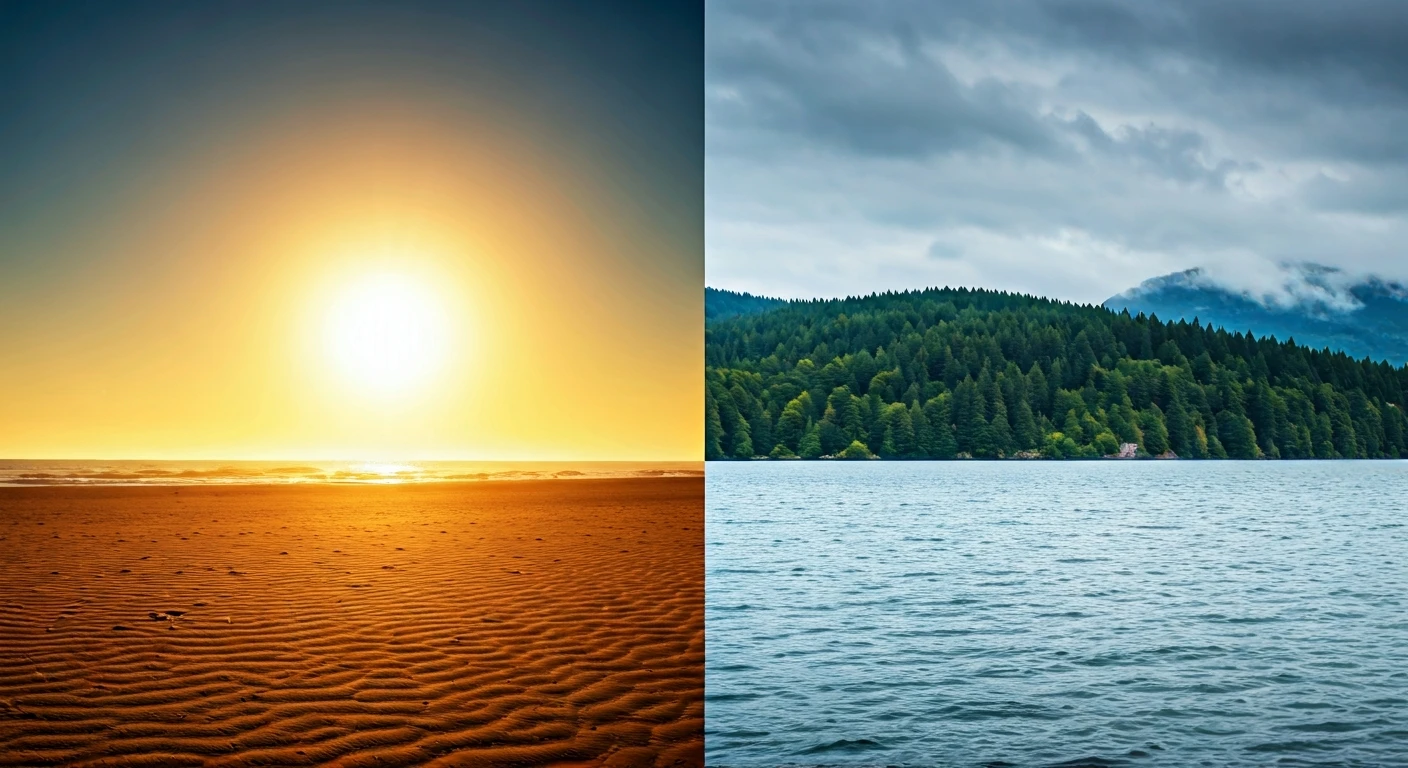
Enter the 'cool-cation.' It's a trend born from necessity but embraced for its surprising benefits. Travelers are actively seeking out destinations where the main attraction is a mild, comfortable climate. This isn't just about avoiding heat; it's a conscious decision to prioritize well-being and enjoyment over ticking off a bucket-list item under duress. The cool-cation represents a fundamental shift in travel values, moving away from 'seeing' towards 'experiencing.' This movement is also a quiet rebellion against overtourism. The same destinations suffering from extreme heat are often the ones buckling under the weight of their own popularity. By choosing a cooler, less-trafficked location, travelers are finding they get more than just comfortable weather. They get shorter lines, lower prices, more authentic interactions with locals, and a sense of discovery that has become rare in the age of Instagram-famous landmarks. It’s a trade-off that an increasing number of people are willing to make: swapping the chaotic energy of a peak-season hotspot for the refreshing calm of the road less traveled.
Where the Cool Kids Are Going
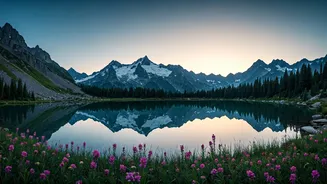
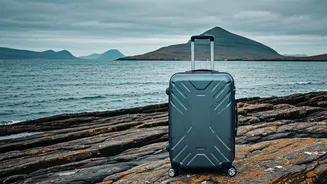
So where are these cooler breezes blowing? North. Travel data and anecdotal reports show a significant uptick in interest for destinations in Northern Europe and North America. Scandinavia has become a summer star, with travelers exploring the fjords of Norway, the stylish cities of Copenhagen and Stockholm, and the dramatic landscapes of Iceland. Ireland and Scotland, with their lush green hills and famously moderate (if occasionally rainy) weather, are also seeing a surge in summer visitors. Closer to home, the Pacific Northwest, New England, and the Great Lakes region are gaining traction as domestic alternatives to the scorching South and Southwest. Canada, from the maritime charm of Nova Scotia to the alpine majesty of Banff, is also becoming a go-to summer escape for Americans seeking relief. These places offer world-class scenery, vibrant culture, and outdoor activities that can be enjoyed without the risk of heatstroke. The common thread is simple: they offer adventure and relaxation under a temperate sky.
Redefining the Travel Calendar
This trend isn't just about geography; it's also about timing. For travelers still devoted to classic destinations like Italy or France, the answer isn't to abandon them, but to rethink when they visit. The 'shoulder seasons'—spring (April-May) and autumn (September-October)—are rapidly becoming the new peak season for savvy globetrotters. During these months, you can experience Rome, Paris, or Barcelona with far fewer crowds and much more pleasant weather. The benefits are immense. Flights and accommodations are often cheaper, restaurant reservations are easier to get, and the overall pace is more relaxed. You can wander through the Louvre without being crushed by a crowd or enjoy a Tuscan sunset without breaking a sweat. By shifting their travel calendar, people are realizing they don't have to give up on their dream destinations; they just have to visit them at a smarter time. It’s a simple change that transforms a potentially stressful ordeal into the genuinely restorative experience a vacation is supposed to be.