






The Earthy Allure of Terracotta
Long before mass-produced decorations filled store shelves, there was clay. Terracotta, Italian for “baked earth,” is one of humanity’s oldest artistic mediums. In India, its history stretches back millennia to the Indus Valley Civilization, where terracotta
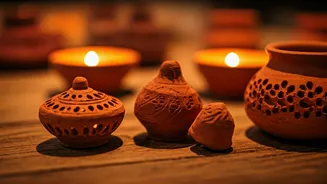
pots, figures, and toys were an integral part of daily life. This isn't a factory-made ceramic; it’s a direct connection to the soil. The process is beautifully elemental: local clay is sourced, kneaded, and shaped by hand or on a potter's wheel. Each piece is then sun-dried before being fired in a traditional kiln. The result is a rustic, porous, and wonderfully imperfect object that carries the signature of its maker and the essence of the earth from which it came. Its warm, reddish-brown hue provides a natural, organic beauty that plastics and metals simply cannot replicate.
More Than Just a Lamp
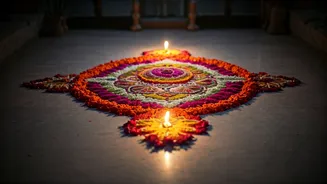
In Indian culture, the small, oil-filled clay lamp, known as a *diya*, is far more than just a decorative item. It is a powerful symbol, especially during festivals like Diwali, the “festival of lights.” Lighting a diya signifies the triumph of light over darkness, good over evil, and knowledge over ignorance. Families light rows of them to adorn their homes, windowsills, and entryways, creating a breathtaking spectacle that welcomes prosperity and positive energy. While modern electric lights have their place, the traditional diya holds a sacred and central role in these rituals. A handcrafted terracotta lamp isn't just an object; it’s a vessel for tradition, a carrier of light and hope that has been passed down through countless generations.
The Hands Behind the Heritage
The creation of these lamps is a story of incredible skill and generational knowledge. In villages across India, entire communities of artisans dedicate their lives to this craft. The techniques are often learned in childhood, passed down from parent to child. The process is laborious: from digging and preparing the clay to shaping thousands of lamps by hand, each requiring a delicate touch. After shaping, they are often intricately carved or painted with traditional motifs before being carefully fired. Unfortunately, these master artisans face immense economic pressure. They are often squeezed by middlemen and forced to compete with cheap, mass-produced plastic or wax alternatives that flood the market. This competition devalues their skill and threatens their livelihood, pushing a priceless cultural heritage toward the brink of extinction. When you choose to buy a handcrafted terracotta lamp, you are making a conscious decision to bypass this cycle. You are ensuring that the artisan, not just a factory owner, is compensated for their time, skill, and artistry.
How to Choose an Authentic Piece
Supporting artisans starts with knowing what to look for. Embrace the imperfections. A truly handcrafted lamp won't be perfectly uniform. You might see slight variations in size, shape, and the reddish hue of the clay—these are not flaws, but marks of authenticity. Feel the weight of the lamp; it should have a pleasant, earthy heft. Look for sellers, whether online or at local markets, who share the story of their artisans. Many fair-trade organizations and direct-from-artisan platforms now make it easier than ever to connect your purchase to a specific craft community. By asking about where and how a lamp was made, you’re not just being a consumer; you’re being a patron of a living art form. This thoughtful approach ensures your money directly supports the preservation of this beautiful tradition.