








The Official Global Celebration
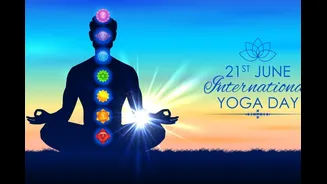
So, what’s the big deal about June 21? In 2014, the United Nations General Assembly officially declared it the International Day of Yoga. The resolution, proposed by India and co-sponsored by a record 177 member states, recognized yoga's "holistic approach
to health and well-being." The day aims to raise global awareness about the many benefits of practicing yoga, from physical fitness to mental clarity and spiritual harmony. It’s a moment for the world to collectively acknowledge a practice that transcends culture, religion, and nationality, promoting a universal message of peace and unity. Each year has a theme, often focusing on aspects like "Yoga for Humanity" or "Yoga for Well-being," guiding the global conversation.
Why the Summer Solstice?
The choice of June 21 is no coincidence. As the summer solstice in the Northern Hemisphere, it’s the longest day of the year, a day drenched in symbolism across many cultures. In yogic lore, the solstice marks a significant transition. It’s a time associated with light, consciousness, and new beginnings. Many yogic traditions honor the sun (Surya) as a powerful symbol of life and energy, and practices like Sun Salutations (Surya Namaskar) are a cornerstone of modern Vinyasa yoga. Furthermore, the solstice is traditionally seen as the day when Shiva, the first yogi or Adiyogi, is said to have begun imparting the knowledge of yoga to the rest of humankind. Tying the International Day of Yoga to this powerful solar and spiritual event gives it a deeper, more resonant meaning for practitioners.
From Ancient Roots to Modern Phenomenon
While the UN designation is recent, the practice it celebrates is thousands of years old, originating in ancient India as a path to spiritual enlightenment. Over the past century, and particularly in the last few decades, yoga has exploded in popularity across the United States. It has evolved from a niche spiritual discipline into a mainstream wellness staple, found everywhere from dedicated studios and corporate wellness programs to community centers and online platforms. The International Day of Yoga serves as a powerful focal point for this global community. It’s a day that honors the practice's ancient heritage while celebrating its modern, diverse, and incredibly widespread appeal in America and beyond.
How America Rolls Out the Mat
In the U.S., celebrations are as diverse as the practitioners themselves. The most iconic event unfolds in New York City’s Times Square, where thousands of yogis gather for a massive, day-long outdoor yoga session, finding a moment of collective calm amidst the city’s chaotic energy. But the celebration isn't limited to major metropolitan hubs. Across the country, local yoga studios host special classes, workshops, and free community events in parks. Online platforms offer virtual gatherings, allowing people to participate from anywhere. It's a day characterized by inclusivity—whether you’re a seasoned yogi who can hold a handstand for minutes or a curious beginner just learning to touch your toes, you're invited to join in.
More Than Just a Stretch
At its heart, the countdown to June 21 is about more than coordinating a global stretch. It’s a reminder of what the practice offers beyond physical flexibility. Yoga is a tool for managing stress, fostering community, and connecting with oneself on a deeper level. For many, the International Day of Yoga is an opportunity to recommit to their practice, share its benefits with others, or perhaps try it for the very first time. It encapsulates the idea that an ancient practice focused on inner peace can have a powerful, positive impact on the modern world, one deep breath at a time.