






More Than Just No Trash Cans
When you hear “zero-waste,” you might picture a restaurant with no garbage bins in the kitchen, but the philosophy runs much deeper. It’s a comprehensive, top-to-bottom rethinking of how a restaurant operates. True zero-waste chefs aren’t just composting;
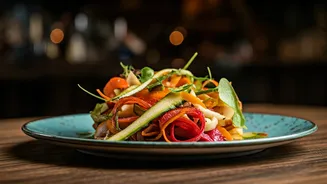
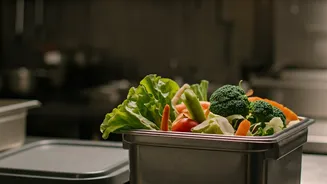
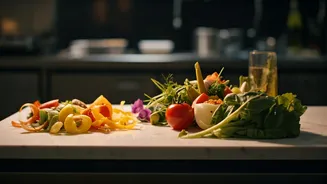
they’re pre-emptively designing waste out of their entire system. This starts with sourcing, favoring local farms that use reusable crates over cardboard boxes and buying whole animals to practice “nose-to-tail” butchery. In the kitchen, it means embracing “root-to-stem” cooking, where carrot tops become pesto and potato peels are fried into crispy garnishes. Leftover bread might be transformed into a savory pudding or a base for ice cream. Every scrap is seen not as trash, but as a potential ingredient. It’s about maximizing resources and minimizing impact, turning the compost bin into the absolute last resort, not the first solution.
The Challenge Fuels Creativity
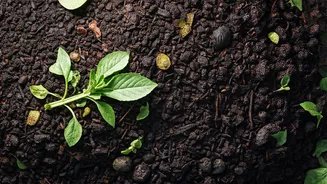
The constraints of a zero-waste ethos force a level of culinary ingenuity that is redefining modern cooking. At pioneering restaurants, the pursuit of eliminating waste leads to delicious, unexpected results. Chefs are fermenting, pickling, and dehydrating trim from vegetables to create powerful flavor bombs that last for months. Whey, the liquid byproduct of cheesemaking that is often discarded, is being used to brine meats, add tang to cocktails, or create creamy sauces. Some kitchens have even installed their own high-tech composters that can turn organic matter into nutrient-rich soil in just 24 hours, which is then returned to the farms that supply them, closing the loop entirely. This isn’t about deprivation; it's about abundance. By challenging themselves to use everything, chefs are discovering new textures, flavors, and techniques that make for a more interesting and sustainable dining experience for everyone.
Why 2026 Is The Tipping Point
So why is this having a “moment” now, with 2026 as a landmark? It's the convergence of consumer consciousness and, crucially, government regulation. Across the country, states and cities are implementing aggressive laws to divert organic waste from landfills, where it decomposes and releases potent methane gas. California’s Senate Bill 1383, for example, mandates a 75% reduction in organic waste sent to landfills by 2025. Similar initiatives are in effect or underway in states like Vermont, Massachusetts, and New York. As these deadlines approach, what was once a voluntary, mission-driven choice for restaurants is becoming a legal and economic necessity. The fines for non-compliance and the rising costs of waste hauling are forcing the entire industry to confront its food waste problem head-on. By 2026, the systems and habits forged by these new rules will be the norm, not the exception.
An Ethos That Extends to the Table
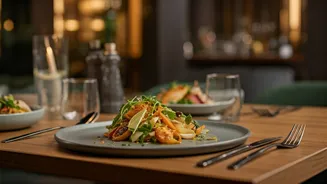
The zero-waste philosophy doesn’t stop in the kitchen. It extends to the entire guest experience. You’ll notice the absence of single-use items: no paper napkins, but rather washable linen ones; no sugar packets, but sugar served from a bowl with a spoon. Menus might be written on chalkboards or accessible via a QR code to eliminate paper waste. Water is often filtered and carbonated in-house to avoid the environmental cost of shipping bottled water. Even the decor might reflect the ethos, with furniture made from reclaimed wood or light fixtures crafted from upcycled materials. It’s a holistic approach that communicates a powerful message: a restaurant can be a place of both indulgence and responsibility, proving that luxury and sustainability are not mutually exclusive.