



Turmeric and Black Pepper: The Golden Standard
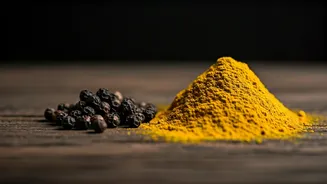
The turmeric latte, or *haldi doodh* as it’s known in countless South Asian households, is the undisputed star of this wellness renaissance. For generations, grandmothers across the Indian subcontinent have prescribed this warm, spiced milk for everything
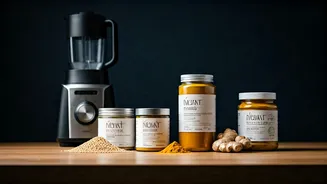
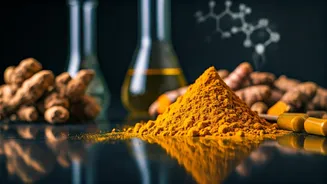
from colds and coughs to general inflammation. The traditional wisdom, rooted in Ayurveda, is that turmeric’s potent compound, curcumin, is a powerful anti-inflammatory. What modern science has highlighted—and what makes this pairing so potent—is the role of black pepper. Piperine, a compound in pepper, is said to dramatically increase the body’s ability to absorb curcumin. Today, you’ll find this dynamic duo not just in lattes but in everything from wellness shots and smoothies to protein powders, transforming a humble home remedy into a global phenomenon. It’s the perfect example of ancient knowledge being validated and repackaged for a modern, health-conscious consumer.
Ghee and Coffee: The Better-for-You Butter Coffee
Long before “bulletproof coffee” became a Silicon Valley biohacking trend, ghee—clarified butter—was a cornerstone of Desi cuisine and Ayurvedic medicine. Prized for its rich, nutty flavor and high smoke point, ghee is also considered a source of healthy fats that aid digestion and lubricate the joints. The modern wellness makeover sees it replacing butter or MCT oil in morning coffees. The logic? Ghee provides a slower, more sustained release of caffeine, preventing the jitters and crash associated with a typical espresso shot. It adds a dose of fat-soluble vitamins (A, E, and D) and butyric acid, which is believed to support gut health. For many Desi Americans, adding a spoonful of ghee to their coffee feels like a nod to their heritage, a way to incorporate a traditionally revered ingredient into a thoroughly modern daily ritual.
Ashwagandha and Moon Milk: The Stress-Busting Nightcap
If turmeric is for inflammation, ashwagandha is for stress. This ancient medicinal herb is one of the most important adaptogens in Ayurvedic healing, traditionally used to help the body manage stress, reduce anxiety, and improve sleep. For centuries, it was consumed as a powder mixed with milk, honey, or ghee. Fast-forward to today, and ashwagandha is the hero ingredient in “moon milks” and other calming bedtime beverages. These modern concoctions often blend the earthy-tasting root with warm plant-based milk, cinnamon, nutmeg, and a natural sweetener. It’s the perfect antidote to a hyper-connected, always-on world, offering a sense of calm and restoration rooted in thousands of years of practice. It represents a shift from a “hustle culture” quick-fix to a more gentle, holistic approach to managing mental well-being.
Ginger and Lemon: The Ultimate Digestive Reset
This pairing might seem universally familiar, but its role in Desi households is deeply ingrained. A simple infusion of hot water with ginger and lemon isn't just a soothing drink; it's a first-line defense against indigestion, nausea, and the first tickle of a sore throat. In Ayurvedic terms, ginger is a warming spice that stokes the *agni*, or digestive fire, while lemon helps cleanse the system. This humble combination is now being celebrated in the wellness world as a daily detox ritual. You’ll find it served in spas, yoga studios, and bottled as morning “metabolism shots.” Its modern popularity speaks to a desire for simple, natural, and effective solutions. Instead of a complex supplement regimen, this pairing offers a return to basics, proving that sometimes the most profound wellness practices are the ones that have been hiding in plain sight all along.