




An Oasis in the Desert State
For most Americans, Rajasthan is synonymous with the Thar Desert. It’s the land of camel safaris, ancient forts rising from golden sands, and cities painted in brilliant hues of blue and pink. It’s also famously, punishingly hot, especially in the pre-monsoon
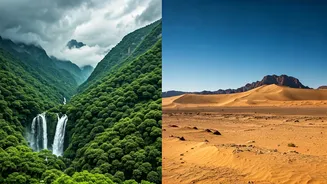
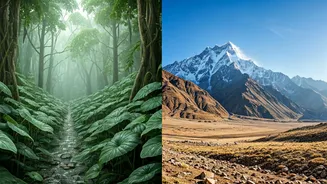
and monsoon months of June and July. That’s what makes Mount Abu so startling. Tucked away in the Aravalli Range, this is Rajasthan’s only hill station, a verdant plateau that seems to belong to a different part of the country entirely. At an elevation of 4,000 feet, it serves as a natural air conditioner, offering cool breezes and a green landscape that feels a world away from the scorched plains just a few hours' drive below. It’s an anomaly, and for travelers braving the Indian summer, it’s a welcome one.
The Magic of the Monsoon
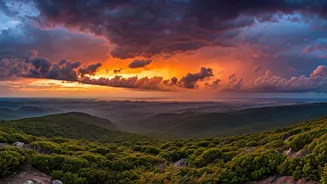
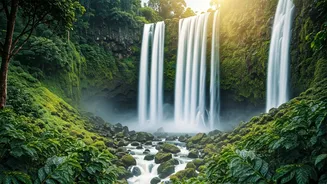
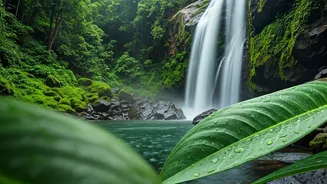
While many tourist destinations shutter or slow down during India’s monsoon season, Mount Abu comes alive. The rains, which typically arrive in late June or early July, wash the dust from the landscape, leaving behind a vibrant, emerald-green carpet. The air grows thick with mist, shrouding the hills in an ethereal atmosphere and turning a simple walk into a cinematic experience. Small waterfalls, dry for most of the year, suddenly cascade down rocky hillsides. The weather is cool and pleasant, a dramatic departure from the oppressive humidity elsewhere. Instead of a deterrent, the monsoon here is the main attraction, transforming the town into a romantic and tranquil haven. For photographers and nature lovers, it’s a paradise.
Serenity at Nakki Lake
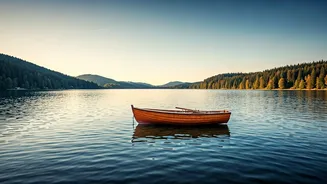
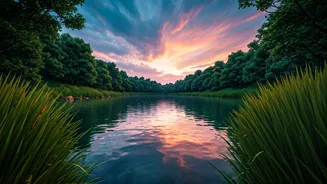
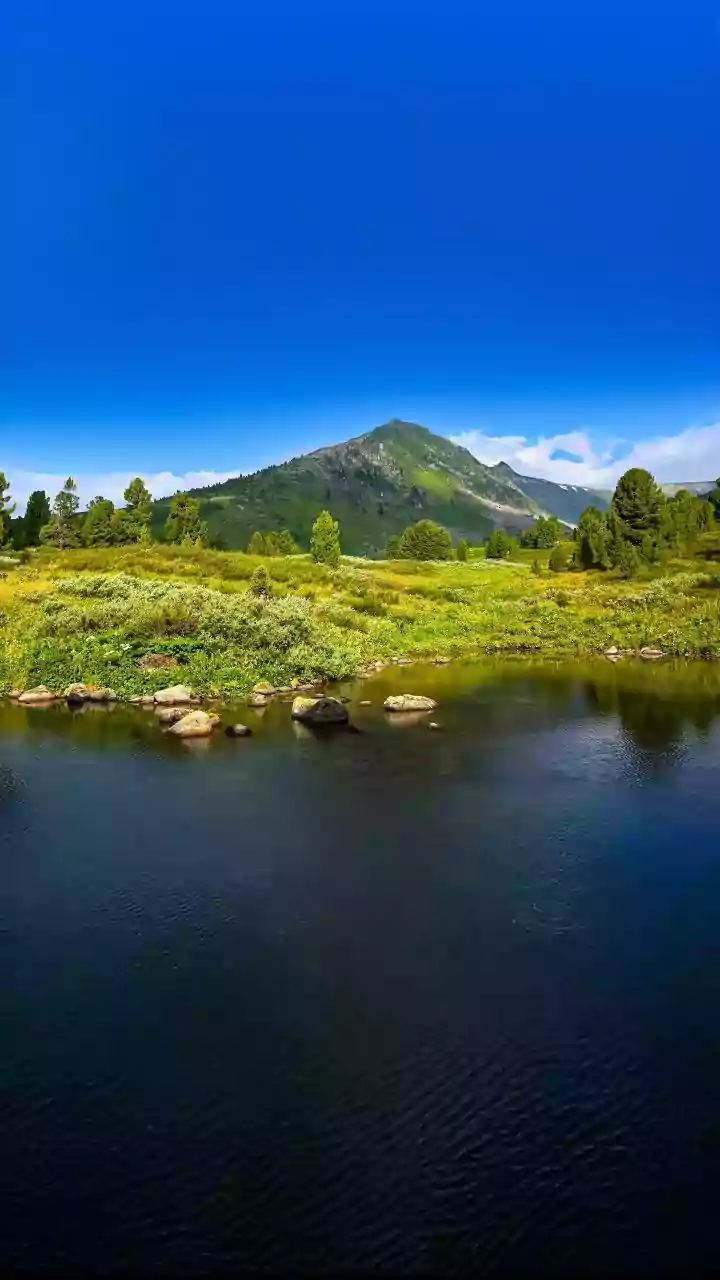
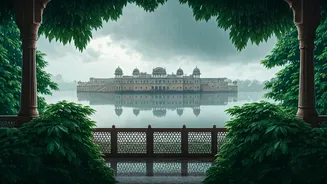
The heart of Mount Abu is Nakki Lake, a serene body of water surrounded by hills and parks. Legend has it that the lake was dug by the gods using their fingernails (or 'nakh'), giving it a sacred status. It's the social and recreational hub of the town. During the monsoon months, taking a paddleboat or a traditional 'shikara' out onto the misty water is a quintessential experience. As fog rolls in and out, the surrounding hills appear and disappear, creating a dreamlike quality. The path around the lake is perfect for a leisurely stroll, dotted with food stalls and small shops. Nearby, Toad Rock, a massive boulder shaped uncannily like a toad about to leap into the water, offers a fun, short hike and a great vantage point for photos.
Marvels in Marble: The Dilwara Temples
Even if you’re not a temple enthusiast, the Dilwara Temples are an absolute must-see. Built between the 11th and 13th centuries, this complex of five Jain temples is renowned for some of the most intricate and breathtaking marble carving in the world. From the outside, they appear deceptively simple. But step inside, and you’re confronted with a jaw-dropping spectacle of artistry. Every surface—ceilings, pillars, doorways—is covered in lace-like patterns, delicate figures, and elaborate mythological scenes, all sculpted from white marble. The level of detail is so fine that some carvings are translucent. They stand as a testament to human devotion and craftsmanship, and their cool, quiet interiors provide a perfect retreat from a light afternoon shower.
Views from the Highest Peak
For the best views of the surrounding landscape, a trip to Guru Shikhar is essential. At 5,650 feet, it’s the highest peak in the Aravalli Range. The drive up is scenic, and after a short climb of a few hundred steps, you’re rewarded with a stunning panoramic vista. On a clear day after a rain shower, you can see for miles across the rolling green hills and plains below. During the peak monsoon, you might find yourself literally standing in the clouds, with thick mist swirling all around you. At the summit, there’s a small temple dedicated to Guru Dattatreya, believed to be an incarnation of the Hindu deities Brahma, Vishnu, and Shiva. The combination of spiritual ambiance and natural beauty makes it a powerful and memorable stop.