






What Exactly Is a 'Misty Escape'?
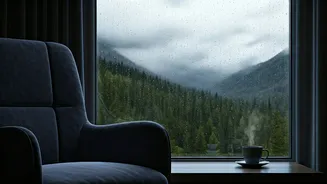
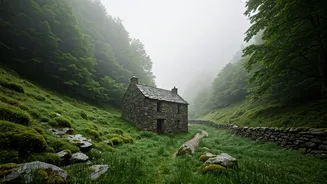
Forget the performance of a perfect vacation. A misty escape isn't about proving you’re having the most fun, but about immersing yourself in a feeling. Think of fog-laced redwood forests, moody coastlines where waves crash against gray rocks, or a cozy
cabin with smoke curling from its chimney into a damp, overcast morning. It’s the aesthetic of the Pacific Northwest, the Scottish Highlands, and a quiet New England autumn all rolled into one. On platforms like TikTok and Instagram, this trend materializes as short, atmospheric videos of rain-streaked windows, quiet hikes through damp woods, and the simple pleasure of a hot drink in a cool, gray landscape. It’s less a specific destination and more a state of mind—one that prioritizes introspection, tranquility, and a connection to a more raw, untamed version of nature.
An Antidote to the 'Perfectly Curated' Life
For the better part of a decade, the dominant social media travel aesthetic was one of aggressive cheerfulness. Brightly colored walls, turquoise waters, and flawless smoothie bowls defined the visual language of a successful trip. But after years of chasing manufactured perfection, a collective exhaustion has set in. The misty escape is the pendulum swinging back. It's a quiet rebellion against the pressure to perform happiness. Fog obscures, softens, and simplifies. It doesn’t demand a bikini body or a perfect smile; it just asks you to be present. This aesthetic resonates in a post-pandemic world where many are re-evaluating their priorities, seeking peace over parties and authenticity over applause. A foggy day provides a natural filter, hiding imperfections and creating a sense of cozy enclosure—a welcome respite from a world that often feels too loud, too bright, and too demanding.
The Psychology of a Foggy Day
There's a reason we're so drawn to this moody weather. Psychologically, fog creates a unique sensory experience. It muffles sound, creating an immediate sense of peace and quiet. It limits vision, forcing your focus on what’s immediately around you rather than a distant, overwhelming horizon. This creates a feeling of being in your own private world, cocooned from the chaos. This isn’t about sadness or gloom; it’s about comfort and introspection. The Danish have “hygge” for cozy contentment, and you might think of the misty escape as its American, nature-infused cousin. It taps into the same desire for warmth, safety, and a slower, more deliberate pace of life. In a culture of constant overstimulation, the sensory deprivation of a foggy landscape feels like a luxury.
Where to Find Your Misty Moment
While this trend is an aesthetic first, it’s rooted in very real places. The undisputed capital of the misty escape is the Pacific Northwest. The temperate rainforests of Washington’s Olympic National Park, particularly the Hoh Rainforest, and the dramatic, often-shrouded coastline of Oregon are prime examples. But the vibe isn’t exclusive to the West Coast. The Blue Ridge and Smoky Mountains of Appalachia are famous for their signature blue-gray haze. The rocky shores of Acadia National Park in Maine, especially during the fall shoulder season, offer a perfect dose of coastal mist. Even a simple, overcast day in a local state park can become your own misty escape. The point isn’t to fly across the country, but to find a place where the weather encourages you to slow down, look closely, and simply breathe.