






The Hidden Danger on the Windowsill
You’ve curated the perfect collection of fiddle-leaf figs, snake plants, and pothos to purify your air and beautify your space. But that verdant corner could pose a serious threat to your four-legged roommate. According to the ASPCA, calls to their Animal
Poison Control Center about plant ingestion are consistently high. Many of the most popular and Instagram-worthy houseplants contain compounds that can cause anything from mild stomach upset to severe organ damage or even death in pets. Lilies, for example, are famously beautiful but are lethally toxic to cats, with even a small amount of pollen causing kidney failure. The trendy Sago Palm is another major offender, containing a toxin that can lead to liver failure. Even seemingly innocuous plants like the ubiquitous Snake Plant (Sansevieria) and Golden Pothos can cause oral irritation, pain, and vomiting if chewed on by a curious cat or dog. This realization has many urban pet owners rethinking their interior greenery, prioritizing their pet’s safety above all else.
Enter the Boston Fern: A Pet-Safe Hero
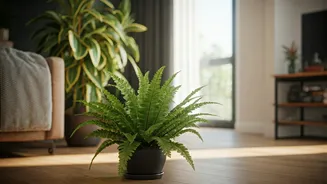
Amid the sea of potential dangers, one plant has emerged as a go-to for conscientious pet parents: the Boston fern (Nephrolepis exaltata). With its feathery, arching fronds, this classic plant offers the lush, jungle-like aesthetic many people crave without any of the risk. It’s completely non-toxic to both cats and dogs, meaning you can place it on a low table or the floor without worrying about a curious nibble. Beyond its safety, the Boston fern is an excellent choice for home environments. It’s known for being one of the most effective houseplants at removing indoor air pollutants. It thrives in the indirect light common in many apartments and loves the higher humidity found in kitchens and bathrooms. This combination of beauty, safety, and air-purifying power makes it an ideal solution for city dwellers who don't want to choose between their pets and their plants.
Easy Swaps for a Safer Home
While the Boston fern is a fantastic starting point, it’s far from the only option. Creating a pet-safe plant collection is about knowing what to avoid and what to embrace. Here are some simple, stylish swaps you can make: * **Instead of a toxic Snake Plant, try a Cast Iron Plant.** Both have a reputation for being nearly indestructible and tolerant of low light. The Cast Iron Plant (Aspidistra elatior) offers the same hardiness with its deep green, upright leaves but is completely non-toxic. * **Instead of a dangerous Sago Palm, try a Parlor Palm.** If you want that tropical, palm-tree vibe, the Parlor Palm (Chamaedorea elegans) is a perfect, pet-safe alternative. It’s much more forgiving than its toxic lookalike and does well in typical indoor conditions. * **Instead of a harmful Pothos, try a Spider Plant.** For a beautiful trailing plant to put on a high shelf or in a hanging basket, swap out the Pothos for a classic Spider Plant (Chlorophytum comosum). They are famously easy to care for and non-toxic. Plus, their propagating “spiderettes” are easy to share with friends. * **Instead of a deadly Lily, try an Orchid.** If you want elegant flowers, Phalaenopsis orchids provide a stunning bloom and are safe for cats and dogs. They offer a sophisticated look without the extreme danger posed by lilies.
Caring For Your New Green Roommate
Bringing home a Boston fern or another pet-safe plant is the first step. To ensure it thrives, you’ll need to provide the right care. For Boston ferns specifically, consistency is key. They prefer consistently moist soil, so don't let them dry out completely between waterings. They adore humidity; if your home is dry, especially in the winter, consider placing your fern on a pebble tray with water or misting it every few days. Bright, indirect light is their sweet spot—a spot near a window that doesn't get harsh, direct sun is perfect. With the right care, your new green addition will flourish, keeping your home beautiful and your pets safe.