



What Is a 'Monsoon Diet'?
The concept doesn't come from a new pet food startup in California, but from a much older source: Ayurveda, the traditional system of medicine from India. In regions with a monsoon season, the dramatic shift in weather brings intense humidity, high moisture
levels, and a different set of environmental challenges. According to Ayurvedic principles, this change affects digestion in both humans and animals, making it weaker and more susceptible to upset. A 'monsoon diet' is a temporary, seasonal adjustment meant to support the body during this period. The core idea is to switch to lighter, easily digestible foods and take extra precautions against the waterborne and foodborne pathogens that thrive in damp, warm conditions. For a U.S. pet parent, 'monsoon season' can be translated to any period of high heat and humidity—think of the muggy, sticky months of late summer in the South, Midwest, or on the East Coast.
The Core Principles, Demystified
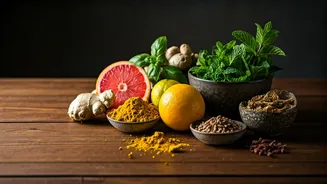
You don’t need to start chanting mantras over your dog’s kibble to apply these principles. The wisdom behind the monsoon diet is surprisingly down-to-earth and focuses on three key areas: 1. Lighten the Digestive Load: The central tenet is that the gut works less efficiently when the body is stressed by high heat and humidity. The diet therefore favors foods that are warm (energetically, not just in temperature), cooked, and easy to process, avoiding heavy, rich, or overly processed ingredients that can tax the system. 2. Boost Natural Immunity: The thinking is that a damp environment can foster fungal and bacterial growth. A monsoon diet often incorporates natural, gentle immunity-boosters like turmeric or ginger (in pet-safe amounts, of course) to help fortify the body’s defenses from the inside out. 3. Prioritize Food and Water Purity: This is the most critical and universally applicable rule. In a humid climate, dry food can absorb moisture and spoil faster, while wet food becomes a breeding ground for bacteria in minutes. Water bowls can also develop biofilm more quickly. The monsoon diet places extreme emphasis on freshness and hygiene.
The American Translation: Summer Pet Care
So, how do you apply this ancient wisdom without giving your vet a heart attack? You translate the principles into modern, common-sense summer pet care. Much of it aligns perfectly with standard veterinary advice. * Adjust for Activity Levels: Your dog may be less active during the sweltering 'dog days' of summer. Reduced running and playing means they need fewer calories. Consider slightly reducing their portion size to prevent summer weight gain, a simple move that aligns with the 'lighter load' principle. * Focus on Food Hygiene: This is non-negotiable. If you feed kibble, store it in a truly airtight container to keep humidity out. If you feed wet food, only leave it out for 15-20 minutes before refrigerating leftovers. Wash food and water bowls daily with soap and hot water to prevent the buildup of bacteria. * Support, Don’t Supplement Blindly: Instead of guessing which herbs to add, talk to your vet about adding a pet-specific probiotic to your pet’s food. Probiotics support gut health and digestion, which is a modern, scientifically-backed way to achieve the goal of a 'happy monsoon tummy.' Never give your pet a new supplement or herb without professional guidance.
What to Watch Out For
The internet is full of well-meaning but potentially dangerous advice. Be wary of online 'gurus' recommending specific homemade recipes or herbal concoctions. Many foods and plants that are healthy for humans are toxic to dogs and cats (garlic, onions, and certain herbs are prime examples). The monsoon diet 'trend' is useful as a philosophical framework—prompting you to think about seasonal impacts on your pet’s well-being. It is not, however, a license to start experimenting with your pet’s diet. Any significant dietary changes should be discussed with your veterinarian, who understands your pet's specific health history and nutritional needs. Use the concept to spark a conversation, not to replace professional advice.