


The Quest for Wellness
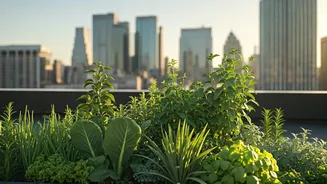
In the vertical world of a high-rise, life can feel detached from the natural world. Terrace gardening powerfully closes that gap. The simple act of tending to plants has been linked to significant reductions in stress, anxiety, and depression. It’s a concept
called biophilia—our innate human need to connect with nature. Pushing your hands into soil, watching a seed sprout, or harvesting a sun-warmed tomato provides a tangible, grounding experience that screens and spreadsheets cannot. It’s a form of active mindfulness that offers a quiet escape from the relentless pace of urban life. For many city dwellers, a small patch of green on a balcony is not just decoration; it's a personal sanctuary and a vital tool for mental and emotional well-being.
A Hunger for Hyper-Local Food
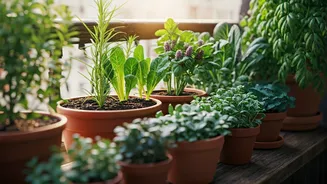
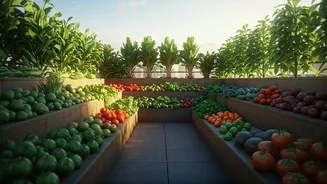
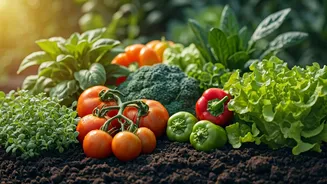
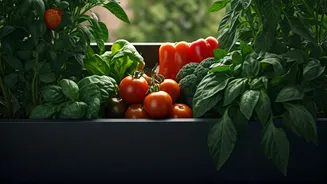
Recent years have made us all more aware of the fragility of global supply chains. The desire for food security, paired with a growing interest in organic, pesticide-free produce, has fueled a boom in home cultivation. A terrace garden answers this call directly. It offers the ultimate farm-to-table experience, with a commute of zero feet. The satisfaction of snipping fresh basil for pasta or picking lettuce for a salad just moments before eating is immense. This isn't about self-sufficiency at scale; it's about access to unparalleled freshness, flavor, and nutritional value. Growing your own food, even in small quantities, creates a powerful connection to what you eat and fosters a deeper appreciation for the resources involved.
Smarter Tech and Better Design
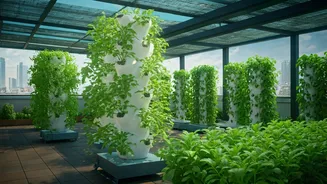
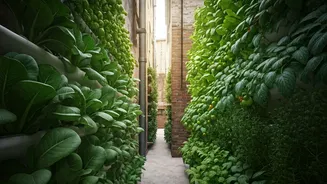
Gardening is no longer reserved for those with sprawling backyards and years of experience. A wave of innovation has made it easier and more accessible than ever for apartment dwellers. Lightweight containers, efficient self-watering planters, and clever vertical growing systems maximize yields in minimal space. Specialized potting mixes are formulated for container life, and compact, aesthetically pleasing tools make the work a pleasure. Even online resources have exploded, with apps that identify pests, YouTube tutorials for every imaginable plant, and social media communities offering support and inspiration. This democratization of gardening knowledge and technology has removed many of the traditional barriers, empowering novices to start growing with confidence.
Building Community in the Clouds
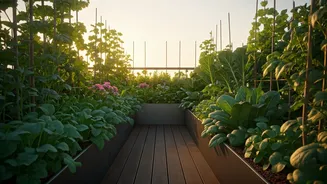
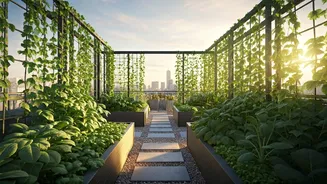
High-rise living can often be anonymous, with neighbors sharing walls but not much else. Shared rooftop gardens are changing that dynamic, becoming the new village greens of the 21st-century city. These communal spaces encourage interaction and collaboration, as residents bond over planting schedules, trade harvesting tips, and share their bounty. They become hubs for social gatherings, from weekend cookouts to children’s gardening clubs. In buildings with individual terraces, a shared passion for gardening still fosters connection, with conversations struck up over balcony railings and seeds swapped between floors. This green thread weaves a sense of community that makes a large building feel more like a neighborhood.
An Architectural Shift
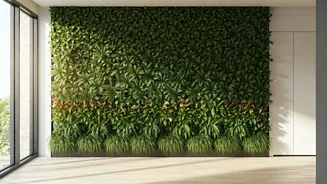
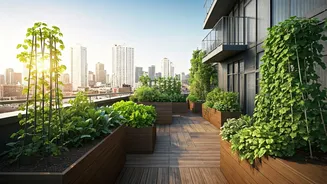
Developers and architects have taken note. What was once an afterthought is now a primary selling point. New residential towers are increasingly designed with biophilic principles in mind, featuring larger balconies, integrated planters, and expansive communal green roofs as key amenities. A private terrace is no longer just outdoor space; it's marketed as a wellness feature, an entertainment area, and a private garden. This architectural embrace signals a fundamental shift in our vision of urban living. Greenery is no longer something you have to leave the city to find; it's being woven directly into the fabric of the buildings we call home, making the terrace gardening revolution not just a trend, but a permanent and expanding feature of the modern cityscape.