




First, Where Are We Talking About?
When people talk about Northeast India, they’re referring to a cluster of eight states connected to the rest of the country by a narrow strip of land often called the “chicken’s neck.” This region includes the “Seven Sisters”—Arunachal Pradesh, Assam,
Manipur, Meghalaya, Mizoram, Nagaland, and Tripura—plus the Himalayan state of Sikkim. For decades, it was known more for its isolation and insurgency than anything else. Ethnically, linguistically, and culturally, it has more in common with Southeast Asia and Tibet than with the Indo-Gangetic plains of North India. Home to hundreds of distinct indigenous tribes, each with its own language, cuisine, and customs, it's one of the most diverse places on the planet.
The New Geopolitical Chessboard
A huge part of the new focus is strategic. Northeast India shares borders with China, Myanmar, Bangladesh, and Bhutan. As China becomes more assertive along its disputed border, particularly in Arunachal Pradesh (which Beijing claims as its own territory), New Delhi has woken up to the region's importance. India’s “Act East” policy is in full swing here, with the government pouring billions into infrastructure to physically and economically integrate the Northeast. Think massive new bridges like the Bogibeel over the Brahmaputra River, all-weather tunnels like the Sela Tunnel providing access to the Chinese border, new airports, and highways cutting through once-impassable mountains. This isn’t just about domestic development; it’s a direct strategic counterweight to China’s influence, making the region a critical frontier in Asia’s great power competition.
An Untouched Frontier for Travelers
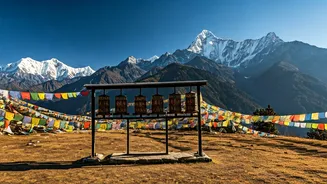
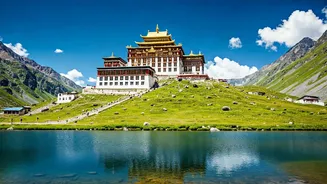
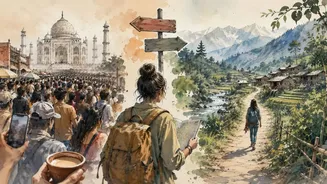
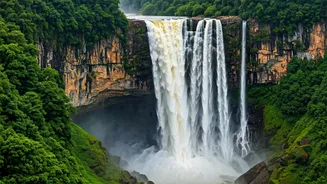
For years, getting to the Northeast required special permits and a tolerance for rough travel. That’s changing. With improved infrastructure and a more stable security situation in many states, the region has become a new darling for travelers looking for authentic, off-the-beaten-path experiences. Instead of the crowded palaces of Rajasthan, you get the living root bridges of Meghalaya, the rhinos of Kaziranga National Park in Assam, and the vibrant tribal festivals of Nagaland. The Hornbill Festival, an annual showcase of Naga culture, now draws visitors from around the globe. It's a place where you can meet tribes who practice ancient traditions, explore pristine alpine landscapes, and experience a side of India that feels like another world entirely.
A Cultural Powerhouse Punching Above Its Weight
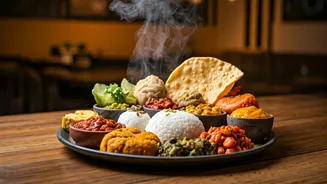
Northeast India's influence on mainstream Indian culture is also growing. The region has long been known for its thriving rock music scene, often called the “rock capital” of India. Its fashion sense—heavily influenced by Korean pop culture—is now a major trendsetter in cities like Delhi and Mumbai. And then there’s the food. From Nagaland’s notoriously fiery ghost peppers (Bhut Jolokia) and smoked pork to Manipur’s subtle, herb-based dishes and Sikkim's momos (dumplings), the region’s distinct cuisines are finally getting national recognition. This cultural export is helping to bridge the gap between the Northeast and the rest of India, fostering a new appreciation for its unique identity.
The Tragic Reason: Ethnic Conflict
Unfortunately, not all the recent attention has been positive. In 2023, the state of Manipur erupted in a brutal ethnic conflict between the majority Meitei community and the tribal Kuki-Zo people. The violence, rooted in long-standing tensions over land, resources, and political representation, led to hundreds of deaths, the displacement of tens of thousands, and horrific human rights abuses. The conflict brought the region’s complex and often volatile ethnic fault lines into sharp global focus. It served as a grim reminder that beneath the stories of strategic development and cultural blossoming lie deep-seated historical grievances that can explode with devastating consequences, making the Northeast a subject of urgent international concern.