






From Silicon Valley to the Corn Belt
For the better part of a decade, investing for a young person meant one thing: technology. The path to wealth seemed paved with shares of Apple, Amazon, and a revolving door of high-growth software companies. Fortunes were made, lost, and discussed endlessly
on social media. The GameStop saga cemented this image—a digital-native cohort using commission-free apps to bet big on familiar, often-hyped brands. But that narrative is beginning to feel incomplete. While tech remains a portfolio staple, a growing segment of Millennial and Gen Z investors is turning its attention from the digital world to the physical one. They are trading the esoteric language of cloud computing for the fundamental realities of agriculture, water, and weather. Instead of just tracking server uptime, they’re tracking rainfall in Iowa, drought conditions in California, and shipping delays for Brazilian coffee beans. It’s a profound shift from betting on the next killer app to betting on the price of a bushel of corn.
The Climate Change Portfolio
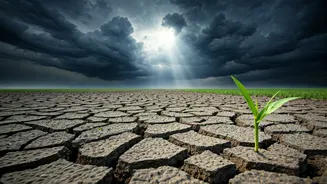
So, what’s driving this earthy new focus? In a word: reality. This is the first generation of investors to have climate change be a non-negotiable, ever-present factor in their lives. They don’t see extreme weather as an abstract, once-a-century event; they see it as a recurring and predictable driver of economic volatility. When a drought scorches the Midwest, corn yields fall and prices for everything from cereal to ethanol are affected. When an unexpected frost hits Florida, orange juice futures spike. For these investors, this isn’t an ethical ESG (Environmental, Social, and Governance) choice so much as a pragmatic financial one. They are using the tools of capitalism to hedge against, or profit from, the disruptions of a warming planet. They understand that the supply chains for the goods we consume every day are fragile. By watching the fundamentals—like weather patterns and crop reports—they believe they can get ahead of market movements before they are fully priced in by Wall Street analysts. It’s a return to first principles: what does the world need to eat, drink, and live?
Democratized Data and New Tools
This trend would be impossible without the same technological forces that created the tech-stock boom. Information that was once the exclusive domain of professional commodity traders is now widely available. Young investors can access satellite imagery of farmland, real-time weather data, and detailed government agricultural reports from their smartphones. Platforms like Robinhood, Webull, and others have made it easier than ever to invest beyond simple stocks. They offer access to ETFs (Exchange-Traded Funds) that track commodities like corn (ticker: CORN), soybeans (ticker: SOYB), and broad agricultural baskets (ticker: DBA). These instruments allow a retail investor to take a position on the price of food without owning a silo or a single acre of land. Add in the hive-mind of Reddit forums and financial Twitter, where complex ideas are debated and dissected in real time, and you have a generation empowered to make sophisticated plays on global markets.
The Risks of Reading the Clouds
Of course, this strategy is far from a guaranteed win. Commodity markets are notoriously volatile and influenced by a dizzying array of factors, from geopolitical tensions and currency fluctuations to government subsidies and simple speculation. A predicted drought might be broken by an unexpected storm, causing prices to plummet and wiping out gains. Unlike investing in a company with quarterly earnings reports and a clear business model, investing in commodities is often a bet on forces far outside human control. There’s no CEO to fire if the weather doesn’t cooperate. Furthermore, the complexity of futures contracts and the derivatives market can introduce risks that many novice investors may not fully understand. It’s a high-stakes game that requires constant vigilance and a strong stomach for volatility. While the logic is sound, the execution is fraught with peril.