
So, What Is Sattu?
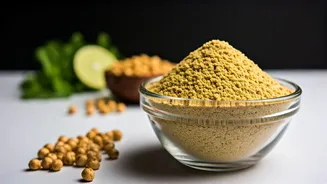
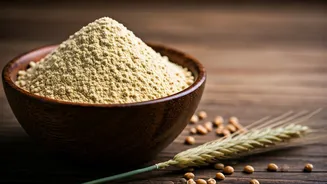
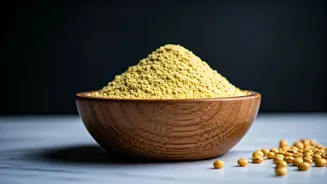
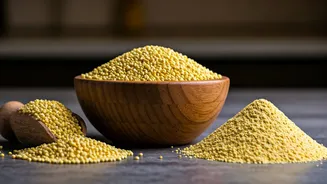
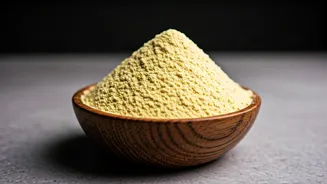
At its simplest, sattu is a flour made from roasted grains and legumes, most commonly roasted Bengal gram (a type of chickpea known as kala chana). Unlike its more famous cousin, besan (raw chickpea flour), sattu is made by roasting the chickpeas first,
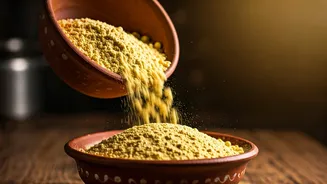
which gives it a distinctively nutty, earthy flavor and makes it ready to eat without cooking. Think of it as the Indian subcontinent's answer to protein powder, but with a history stretching back centuries. This roasting process is key. It not only deepens the flavor but also increases the bioavailability of its nutrients. The resulting powder is fine, fragrant, and incredibly versatile. While Bengal gram is the most common base, regional variations can include barley, maize, or other pulses, each offering a slightly different nutritional and flavor profile.
An Ancient Cultural Staple
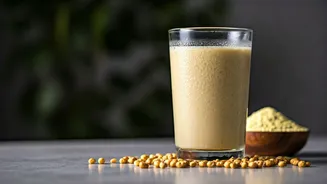
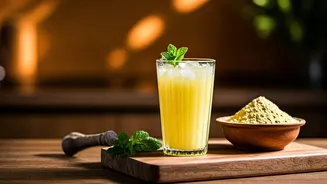
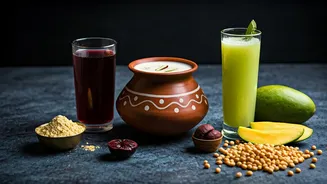
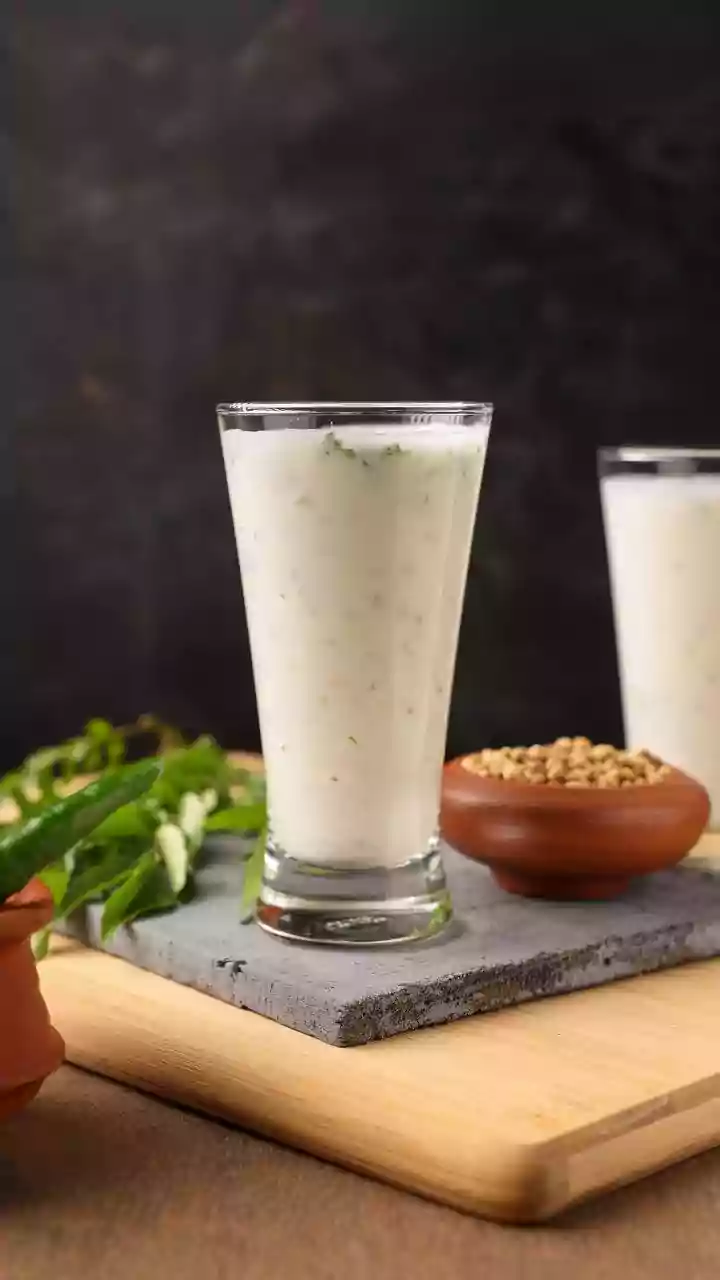
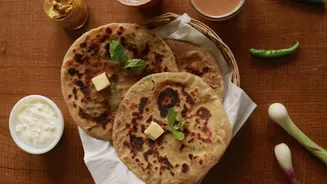
Before it was a trending hashtag, sattu was—and still is—the fuel of the common person in the Indian states of Bihar, Jharkhand, and parts of Uttar Pradesh. Known affectionately as the “poor man’s protein,” it’s a long-standing solution for affordable, shelf-stable, and portable nutrition. Farmers and laborers would carry a pouch of sattu with them for a quick, fortifying meal; just mix with water, salt, and maybe a squeeze of lime to create a nourishing porridge or drink. Its most iconic culinary use is in *litti chokha*, a celebrated Bihari dish where balls of whole wheat dough are stuffed with a savory sattu mixture (spiced with onion, garlic, ginger, and herbs) and then roasted over fire. Served with a smoky eggplant-and-tomato mash (chokha), it's a rustic and profoundly flavorful meal. But sattu’s most common form is as a cooling summer beverage, a hydrating and energy-boosting drink that combats the region’s scorching heat.
The Wellness World Takes Notice
So why is this ancient staple suddenly appearing in glossy wellness blogs and influencer smoothies? The answer lies in its impressive nutritional stats, which align perfectly with modern health goals. Sattu is a powerhouse of plant-based protein and is incredibly rich in insoluble fiber, which is fantastic for gut health and keeping you feeling full. Its low glycemic index makes it an excellent food for managing blood sugar levels, providing sustained energy without the crash associated with refined carbohydrates. Furthermore, it’s packed with essential minerals like iron, manganese, and magnesium, but low in sodium and fat. For those seeking plant-based, gluten-free, and high-protein options, sattu checks all the boxes. It delivers the benefits of a modern protein supplement but in a whole-food form that has been trusted for generations.
From Bihar to Your Blender
The beauty of sattu’s current revival is its adaptability. While traditional preparations remain beloved, a new generation is incorporating it into everyday wellness routines in creative ways. Its nutty flavor pairs surprisingly well in smoothies and shakes, adding a protein boost without the chalky texture of some commercial powders. It’s being stirred into oatmeal for extra fiber, used as a binding agent in vegan energy balls, and even experimented with as a gluten-free flour in pancakes and flatbreads. This fusion of old and new is what makes sattu’s journey so compelling. It hasn't had to change to become relevant; the rest of the world is simply catching up to the wisdom that has been sitting in Bihari pantries for centuries.
How to Get Started
Curious to try it? Your best bet for finding authentic sattu is an Indian grocery store or a well-stocked online marketplace. When you get it home, start simple. Try making the classic savory drink: mix two tablespoons of sattu into a glass of cold water, add a pinch of black salt, a squeeze of lime juice, and some roasted cumin powder. For a sweeter take, mix it with water or milk and a bit of jaggery or your favorite sweetener. Or, just take a tablespoon and blend it into your next morning smoothie. It’s a simple, delicious way to tap into a tradition of good health.