




The Soul of Indian Comfort Food
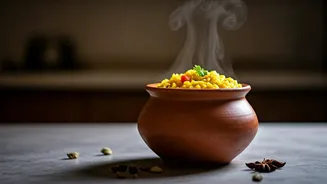
Before we talk truffles and cheese, let’s talk khichdi (pronounced KITCH-ree). In its purest form, khichdi is the undisputed champion of comfort in South Asian households. It’s a simple, nourishing porridge made by simmering rice and lentils together
until they surrender into a soft, savory mash. Often seasoned with a touch of turmeric and ghee (clarified butter), it’s the first solid food for babies, the go-to meal for anyone feeling under the weather, and the culinary equivalent of a security blanket. For millions, the smell of khichdi is the smell of home—unpretentious, restorative, and deeply loved. It’s not food you eat to impress; it’s food you eat to feel whole.
An Unlikely, Luxurious Union
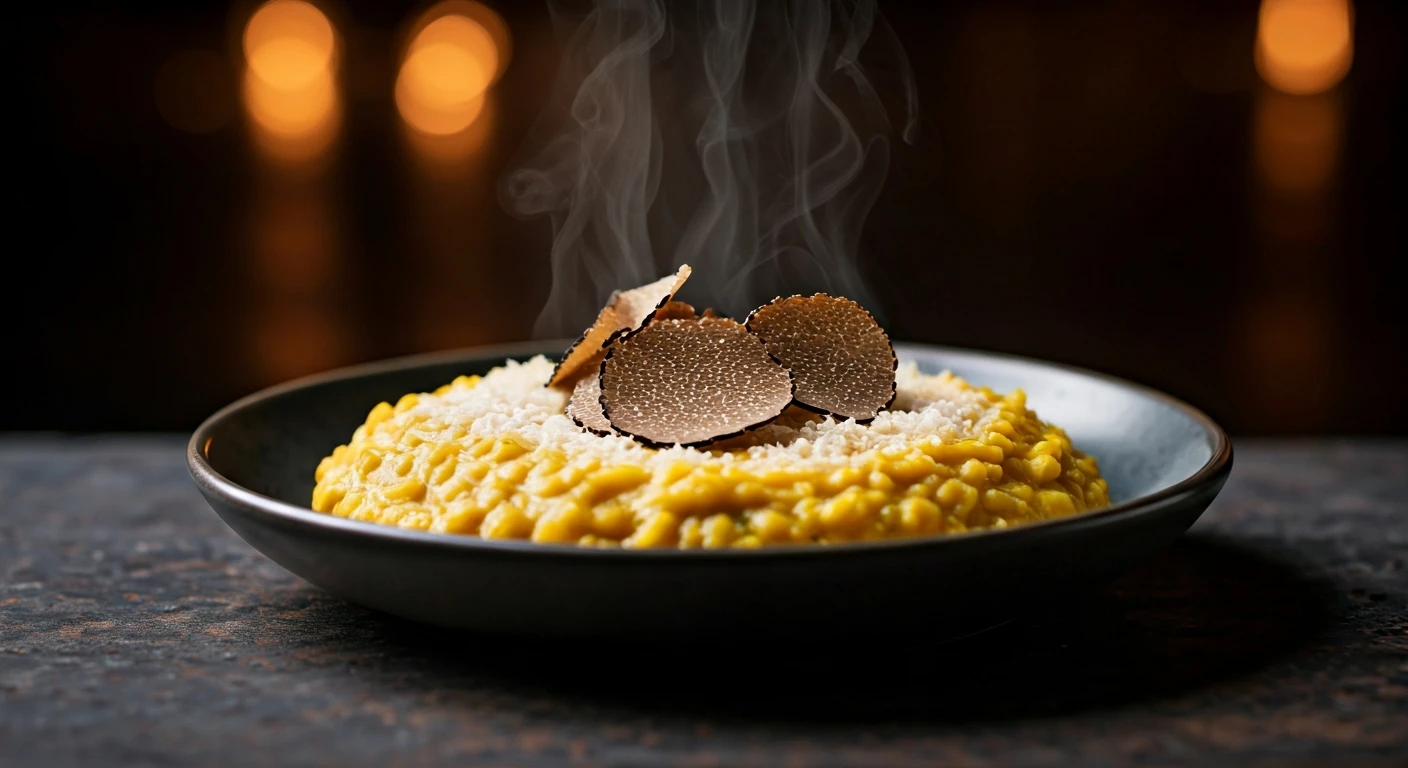
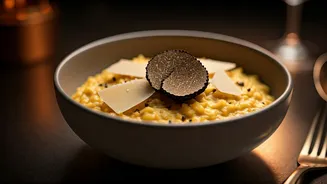
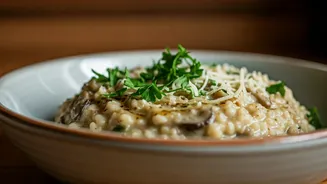
Now, take that humble, wholesome base and introduce two of the most potent players from the European luxury pantry: Italian black truffle and Parmigiano-Reggiano. On paper, it sounds like a wild, almost audacious, experiment. But in the hands of a skilled chef, it’s a revelation. The earthy, intoxicating aroma of truffle oil or shavings weaves itself into the creamy lentils and rice. Sautéed wild mushrooms add a meaty, umami depth. And then, the finish: a generous grating of salty, nutty Parmesan cheese that melts ever so slightly, providing a sharp, savory counterpoint to the dish’s inherent softness. The result isn't a culture clash; it's a conversation. The comforting creaminess of khichdi becomes the perfect canvas for the bold, sophisticated notes of truffle and Parmesan, creating something that is both familiar and thrillingly new.
From Home Kitchen to High-End
This dish isn't just a random kitchen experiment; it's a prime example of a major shift in modern dining. For years, American food culture has been obsessed with “elevating” comfort classics. We’ve seen it with gourmet mac and cheese loaded with Gruyère and bacon, with towering burgers made from dry-aged beef, and with fried chicken brined for days. The rise of truffle khichdi represents Indian cuisine’s confident entry into that same arena. Chefs, many of whom are second-generation Indian Americans, are no longer just replicating the food of their parents. Instead, they are using their classical training and deep cultural knowledge to deconstruct and reimagine it. They understand khichdi's soul, which gives them the license to dress it up in a tuxedo. It's a sign of creative confidence and a declaration that Indian flavors belong in every part of the culinary conversation, from street food stalls to exclusive pop-up tasting menus.
A Sign of What's to Come
While you might not find mushroom truffle khichdi at every corner bistro just yet, its appearance at high-end pop-ups and ambitious modern Indian restaurants in cities like New York, San Francisco, and London is significant. It signals a new chapter for global cuisine. The old walls between “ethnic” food and “fine dining” are crumbling. Diners are more adventurous than ever, and chefs are embracing a truly global pantry where French techniques can meet Indian ingredients, and an Italian cheese can find a happy home atop a South Asian staple. This dish isn't a fleeting trend but a delicious data point. It proves that authenticity isn't about rigid adherence to old recipes; it's about honoring the spirit of a dish while fearlessly pushing it forward.