



Bush Beans: The Fast Reward
If you crave near-instant gratification, bush beans are your answer. Unlike their pole-climbing cousins, these compact plants don’t require elaborate trellising and produce a concentrated harvest. In the warm soil of June, bean seeds germinate rapidly,
often sprouting in just a few days. They are one of the fastest producers in the vegetable world, going from seed to harvest in as little as 50 to 60 days. This means you can be picking fresh, crisp beans by late July or early August. For a continuous supply, practice succession planting: sow a new row every two weeks through mid-summer. As legumes, they also have the added benefit of enriching your soil by fixing nitrogen, making them a great follow-up crop for heavy feeders.
Cucumbers: Your Summer Staple
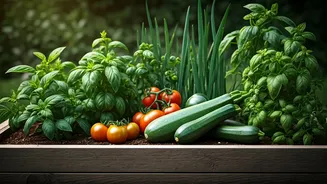
Cucumbers are the embodiment of summer refreshment, and they thrive in the heat that June provides. While you can start them from seedlings for a head start, direct-sowing seeds in warm soil works perfectly well. These vigorous vines love to climb, so give them a trellis, fence, or cage. Growing them vertically not only saves precious garden space but also improves air circulation, reducing the risk of fungal diseases like powdery mildew. It also produces straighter, cleaner fruit that’s easier to find among the large leaves. The key to sweet, non-bitter cucumbers is consistent and deep watering, especially as the plants begin to flower and set fruit. Whether you prefer pickling varieties or long, slicing types, planting now ensures you’ll have an abundance for salads, sandwiches, and chilled soups.
Summer Squash: The Prolific Producer
Zucchini and other summer squashes have a notorious reputation for being overwhelmingly prolific, but for a practical gardener, that’s a feature, not a bug. These plants are incredibly easy to grow and adore the long, hot days of summer. Plant seeds or seedlings in a spot that gets full sun and give them plenty of room to sprawl. The turnaround is astonishingly quick; you can go from a golden blossom to a harvest-ready squash in just a matter of days. Be sure to check your plants daily, as a perfectly sized zucchini can become a baseball bat-sized behemoth overnight. While a single plant can provide more than enough for a small family, they are susceptible to pests like squash vine borers. Planting in June can sometimes help you miss the pest's primary egg-laying cycle in some regions.
Swiss Chard: The Resilient Green
While the heat of June causes lettuce and spinach to bolt (flower and turn bitter), Swiss chard stands strong. This makes it the most practical leafy green for the summer garden. It's not just heat-tolerant; it's a nutritional powerhouse and beautiful to look at, with varieties boasting stems of red, yellow, orange, and pink. Chard is a “cut-and-come-again” crop. You can harvest the outer leaves continuously throughout the season, and the plant will keep producing from its center. This provides a steady, reliable supply for weeks or even months. It's incredibly versatile in the kitchen, excellent sautéed with garlic, added to soups, or used as a fresh, sturdy wrap. Plant seeds directly in the garden in June, and you’ll have tender leaves ready for a first harvest in about a month.
Basil: The Perfect Companion
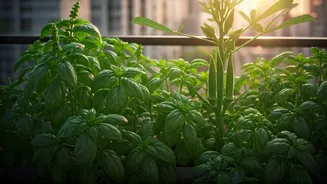
No edible summer garden feels complete without the fragrant aroma of fresh basil. This quintessential summer herb thrives in the same conditions that tomatoes love: lots of sun, heat, and consistent moisture. If you didn't get around to planting it earlier, June is a perfect time to either sow seeds directly into the garden or pick up a healthy transplant from a nursery. Basil grows quickly in the heat, and pinching the tips regularly will encourage it to become a full, bushy plant rather than a tall, lanky one. This regular pruning also provides you with a steady supply for Caprese salads, pesto, and garnishes. Its strong scent is also thought to deter some garden pests, making it a classic companion plant for tomatoes and peppers.
Carrots: Plant Now for Fall
While many gardeners associate carrots with spring planting, a June sowing is the perfect strategy for a delicious fall and early winter harvest. Carrots planted now will germinate and grow through the summer, but they’ll mature in the cooler weather of autumn. This cool-weather finishing period makes them extra sweet and crisp. The main challenge is germination; carrot seeds are tiny and require consistently moist soil to sprout, which can be tricky in the summer heat. Cover your newly seeded bed with a burlap sack or a plank of wood, checking daily and removing it as soon as you see green shoots. Be sure to plant them in loose, rock-free soil to encourage straight, uniform roots. A row of carrots planted in June is a smart investment in future flavor.