




Beyond the Yoga Mat
For years, American travelers seeking rejuvenation in India followed a well-trod path: land in Delhi, fly to Rishikesh for yoga, or head south to Kerala for an intensive Ayurvedic detox. The experience was often defined by its separation from the everyday
world—a quiet bubble of self-reflection, plant-based meals, and structured treatments. But a shift is underway. Today’s wellness seeker isn’t just looking to escape; they’re looking to connect. They crave authenticity, a deeper understanding of culture, and experiences that engage all five senses. In response, India’s sophisticated travel industry is redefining wellness. The new approach braids ancient healing traditions with immersive, real-world encounters. The spa is no longer a walled-off sanctuary but a philosophy that extends into the vibrant, bustling heart of Indian life: the local market.
The Sensory Symphony of the Bazaar
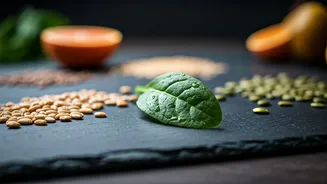
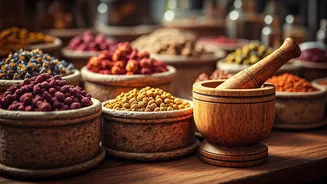
So what does a ‘wellness market walk’ actually look like? Picture this: Instead of a pre-dawn yoga class, your guide leads you through the narrow, winding lanes of a generations-old bazaar. In Jodhpur, it might be the Sardar Market, with its piles of brilliant red chili powder and pyramids of fragrant spices. In Kerala, it’s a walk through a local market where the air hangs heavy with the scent of cardamom, cloves, and fresh coconuts. This isn't a shopping trip; it's a curated sensory immersion. The goal isn’t to haggle for souvenirs, but to see, smell, and touch the foundational elements of Indian well-being. A guide, often an Ayurvedic expert or a chef, explains the significance of each item. You learn to distinguish between different types of turmeric, discover the cooling properties of vetiver root, and see how fresh moringa leaves are bundled for sale, prized for their dense nutritional profile.
Ayurveda in the Aisles
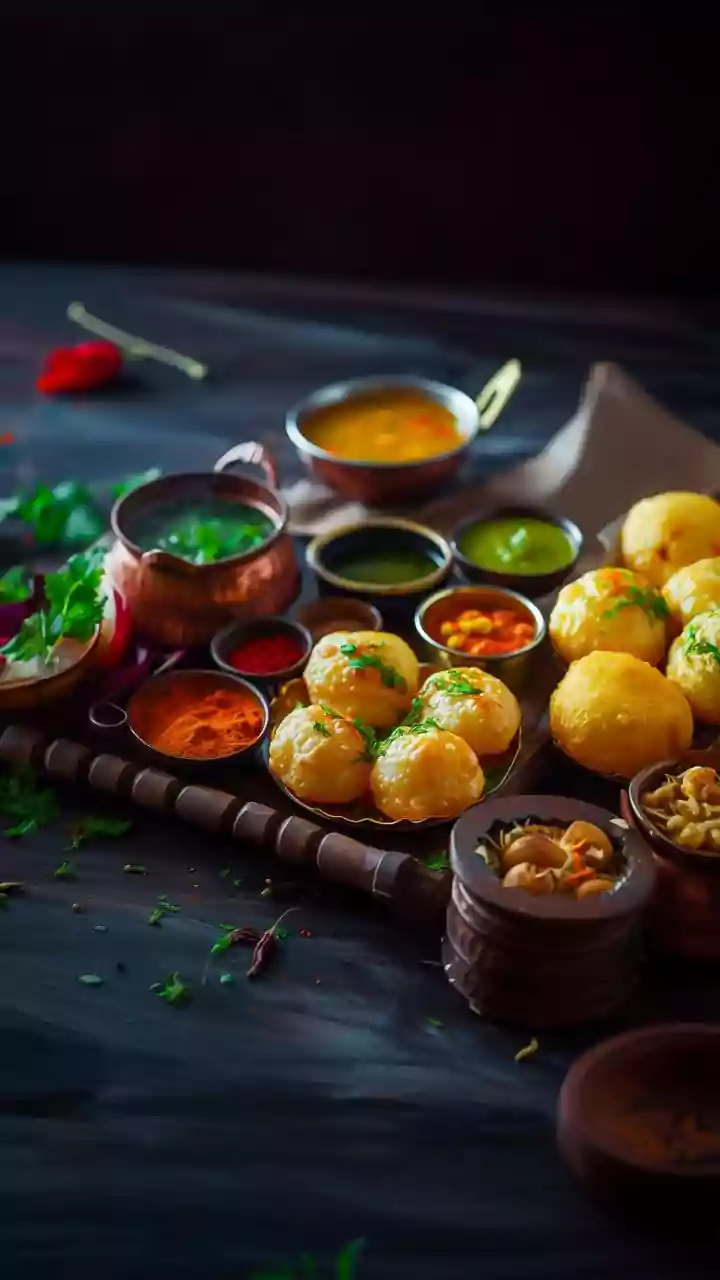
This trend is deeply rooted in Ayurveda, the ancient Indian system of medicine that views food as the primary tool for maintaining health. In the West, we might see a spice rack. In Ayurveda, that same collection of jars is a medicine cabinet. A market walk becomes a living lesson in this philosophy. Turmeric isn’t just for color; it’s a powerful anti-inflammatory. Ginger isn’t merely a flavor enhancer; it’s a digestive aid. Holy basil (tulsi), sold in fresh bundles, is a revered adaptogen used to combat stress. By walking through the market, travelers connect the dots between the raw ingredients and their own well-being. The experience demystifies concepts that can feel abstract in a sterile spa environment. Seeing a farmer unload sacks of amla—a berry packed with Vitamin C—makes the concept of 'local and seasonal' feel urgent and real. The walk often culminates in a cooking class where these freshly procured ingredients are used to prepare a meal tailored to Ayurvedic principles, completing the farm-to-table-to-body connection.
Mindfulness Amid the Chaos
Perhaps the most profound aspect of this trend is its re-framing of mindfulness. The dominant Western image of mindfulness involves sitting in a quiet, minimalist space and shutting out external stimuli. The market walk proposes the opposite: finding calm *within* the chaos. It’s a practice in being acutely present amidst the cacophony of vendors calling out, the clatter of carts, the intense colors, and the complex tapestry of smells. It challenges the traveler to focus their attention, to notice the small details in a stimulating environment, and to engage with the world rather than retreat from it. This form of active, engaged mindfulness feels more applicable to modern life than a silent retreat. It teaches a skill one can bring home—the ability to find a moment of peace and presence not by escaping the world, but by diving more deeply into it.